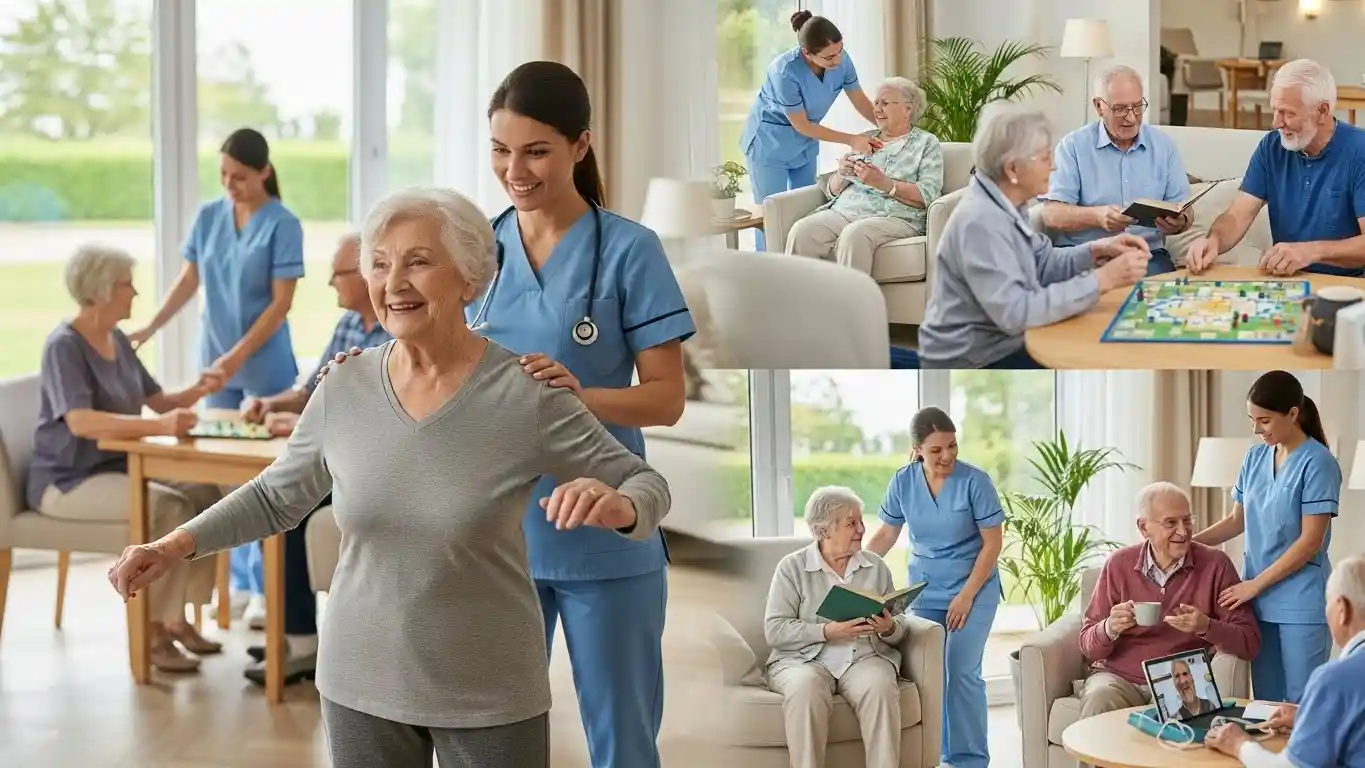

Watching your parents or grandparents grow older is one of life’s most bittersweet experiences. You notice them slowing down, maybe struggling with tasks they used to handle easily, or perhaps feeling lonely and isolated. It’s painful to watch, and you find yourself asking: “How can I help them live better, healthier, and happier in their golden years?”
This is where elderly care makes all the difference, and I’m not just talking about someone checking in on them once a day. Quality elderly care services can genuinely transform a senior’s life, improving everything from their physical health to their emotional wellbeing and overall quality of life.
If you’re researching senior care services for a loved one, you’re probably feeling overwhelmed by options and worried about making the right choice. You want to know: Will this actually help? Will my parent be happier and healthier? Is it worth the investment?
Let me walk you through exactly how elderly care improves senior health and quality of life, with real benefits you’ll actually see and feel. By the end of this article, you’ll understand why professional elderly care isn’t just about convenience; it’s about giving your loved ones the dignity, health, and joy they deserve in their later years.
What Is Elderly Care and Why Does It Matter?
Before we dive into the benefits, let’s clarify what we mean by “elderly care.” It’s not just one thing; it’s a spectrum of support services designed to help seniors live their best lives as they age.
Elderly care services include:
- In-home elderly care: Professional caregivers who come to the senior’s home
- Home care for seniors: Medical and non-medical assistance at home
- Health monitoring: Regular checks on vital signs, medications, and chronic conditions
- Daily living support: Help with bathing, dressing, eating, and mobility
- Companionship: Social interaction and emotional support
- Medical care: Nursing services, physical therapy, and medical management
- Safety modifications: Making homes safer to prevent falls and accidents
The goal of all these services? To help seniors maintain their independence, stay healthy, and enjoy a high quality of life for as long as possible. It’s about aging well, not just aging.
The Physical Health Benefits of Elderly Care
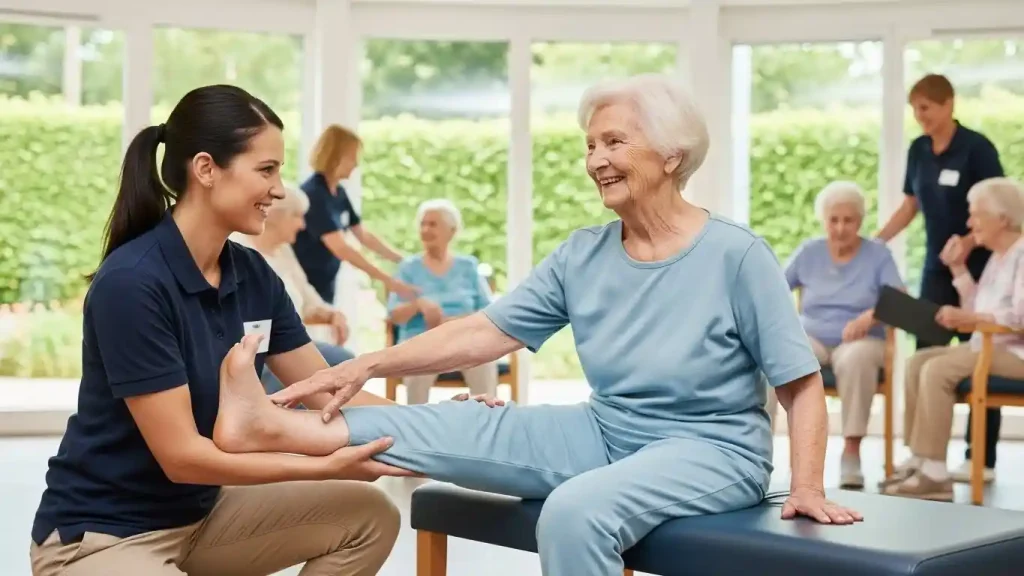
Let’s start with the most obvious area where elderly care makes a massive difference: physical health. As we age, our bodies become more vulnerable, chronic conditions develop, and simple tasks become challenging. Quality senior care services address all of this head-on.
1. Better Medication Management Prevents Serious Complications
Medication errors are a significant contributor to hospital visits among seniors. When you’re taking five, six, or even ten different medications daily, it’s incredibly easy to miss a dose, take the wrong pill, or accidentally double up.
How elderly care helps:
- Caregivers ensure medications are taken on time, every time
- They monitor for side effects and drug interactions
- They coordinate with pharmacies for refills
- They communicate with doctors about medication effectiveness
- They organize pill boxes and maintain clear medication schedules
This simple intervention can prevent emergency room visits, reduce hospitalizations, and keep chronic conditions under control. For seniors with diabetes, heart disease, or high blood pressure, consistent medication management literally saves lives.
2. Fall Prevention Through Safety Support
Falls are not just accidents; they’re medical emergencies for elderly people. A fall can lead to broken bones (especially hips), head injuries, loss of independence, and even death. In fact, falls are the leading cause of injury-related deaths among seniors.
Professional elderly care at home reduces fall risk by:
- Providing physical support during mobility (walking, bathroom visits, transfers)
- Installing safety equipment (grab bars, non-slip mats, proper lighting)
- Removing hazards (loose rugs, clutter, electrical cords)
- Encouraging use of mobility aids (walkers, canes)
- Being present to assist when seniors need to move around
- Helping with exercises that improve balance and strength
When caregivers are present, they can catch a senior who’s losing balance or prevent them from attempting risky movements alone. This immediate assistance is invaluable; you can’t put a price on preventing a devastating fall.
3. Nutritional Support Improves Overall Health
Many elderly people struggle with nutrition. They might have difficulty shopping for groceries, lack the energy to cook, forget to eat, have dental problems that make chewing hard, or simply lose their appetite. Poor nutrition accelerates aging, weakens the immune system, and worsens existing health conditions.
Senior care services provide crucial nutritional support:
- Preparing balanced, nutritious meals tailored to dietary restrictions
- Ensuring seniors eat regularly throughout the day
- Monitoring weight and nutrition status
- Grocery shopping for healthy foods
- Helping with feeding if needed
- Encouraging proper hydration
- Adapting meals for swallowing or chewing difficulties
When seniors eat well consistently, you’ll notice improvements in energy levels, mental clarity, wound healing, immune function, and overall vitality. Good nutrition is foundational to senior health, and caregivers make it happen.
4. Chronic Disease Management Keeps Conditions Under Control
Most seniors live with at least one chronic condition, such as diabetes, heart disease, COPD, arthritis, kidney disease, or others. These conditions require constant attention, monitoring, and management. Without proper care, they spiral out of control quickly.
How in-home elderly care supports chronic disease management:
- Regularly checking blood pressure, blood sugar, and other important health signs.
- Tracking symptoms and reporting changes to doctors
- Ensuring adherence to treatment plans
- Helping with exercises and physical therapy
- Managing dietary restrictions specific to conditions
- Recognizing the warning signs of complications early
- Coordinating appointments with specialists
This proactive approach catches problems before they become emergencies. Instead of ending up in the hospital with a health crisis, seniors maintain stable conditions and avoid preventable complications.
5. Regular Exercise and Physical Activity
Movement is medicine for seniors, but many elderly people avoid exercise because they’re afraid of falling, don’t know what’s safe, or lack motivation. Professional caregivers encourage and facilitate physical activity safely.
Benefits of caregiver-supported exercise:
- Supervised walking for cardiovascular health
- Gentle stretching to maintain flexibility
- Balance exercises to prevent falls
- Strength training to preserve muscle mass
- Range-of-motion exercises for joint health
- Assistance getting outside for fresh air and vitamin D
Physical activity for elderly individuals doesn’t mean running marathons; it means staying mobile, maintaining independence, and preserving physical function. Regular movement reduces pain, improves mood, strengthens bones, and extends healthy years of life.
6. Health Monitoring Catches Problems Early
One of the most valuable aspects of elderly care services is consistent health monitoring. Small changes that might go unnoticed can indicate serious problems developing. Professional caregivers are trained to recognize these warning signs.
What health monitoring includes:
- Daily vital sign checks (blood pressure, pulse, temperature, oxygen levels)
- Observing changes in behavior, mood, or cognitive function
- Monitoring skin for bedsores or infections
- Watching for signs of dehydration or malnutrition
- Noticing changes in mobility or balance
- Tracking bathroom habits for irregularities
- Identifying symptoms of illness or infection early
Early detection means early intervention. A urinary tract infection caught early requires simple antibiotics; caught late, it can lead to sepsis and hospitalization. This vigilance keeps seniors healthier and out of the hospital.
How Elderly Care Improves Mental and Emotional Well-being
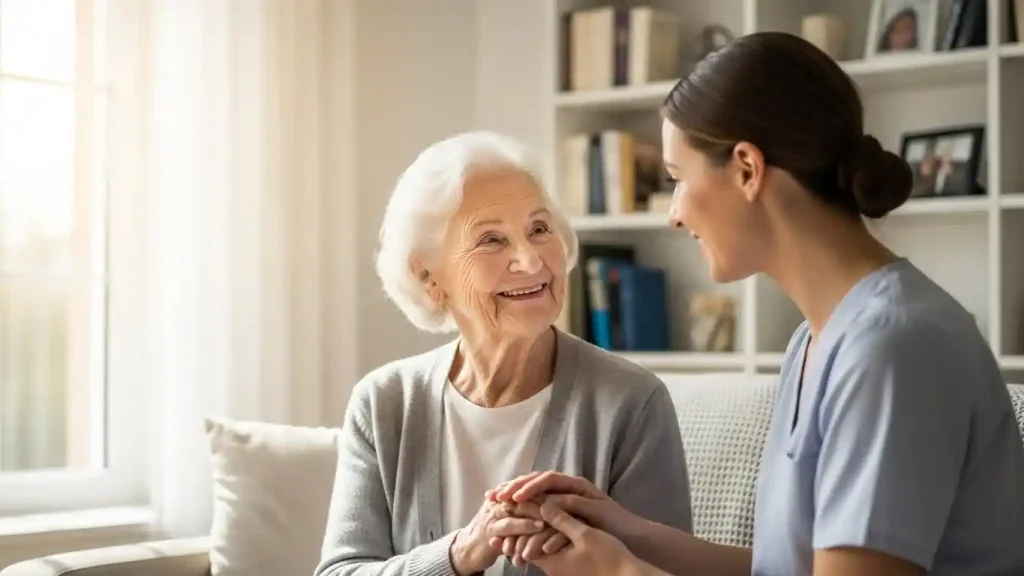
Physical health matters, but mental and emotional well-being are just as important. Depression, anxiety, loneliness, and cognitive decline are epidemic among elderly people, but they don’t have to be inevitable.
1. Combating Loneliness Through Companionship
Loneliness is a silent killer among seniors. Social isolation poses a mortality risk comparable to smoking 15 cigarettes daily. Many elderly people go days without meaningful human interaction, especially if they live alone or have limited mobility.
How does support for the elderly at home provide companionship?
- Regular conversation and social interaction
- Shared activities (games, crafts, watching shows together)
- Going out together for appointments or social events
- Someone to share meals with
- Emotional support and genuine friendship
- Celebrating birthdays and special occasions together
When seniors have regular, meaningful interaction with caring people, their entire demeanor changes. They smile more, communicate more, and engage with life more fully. The emotional well-being in elderly care often shows the most dramatic improvements.
2. Maintaining Cognitive Function Through Engagement
“Use it or lose it” applies powerfully to brain health. Seniors who remain mentally engaged maintain cognitive function longer and may delay or prevent dementia symptoms.
Activities to improve seniors’ quality of life cognitively:
- Memory games and puzzles
- Reading books or newspapers together
- Discussing current events or reminiscing
- Learning new skills or hobbies
- Playing cards or board games
- Simple math activities (calculating grocery totals, balancing checkbooks)
- Encouraging decision-making and problem-solving
Professional caregivers incorporate these activities naturally throughout the day, keeping seniors’ minds sharp and engaged. Even seniors with early dementia benefit enormously from structured mental stimulation.
3. Reducing Depression and Anxiety
Depression is not a normal part of aging, but it’s extremely common among elderly people, especially those who’ve lost spouses, face declining health, or feel they’ve lost purpose. Depression dramatically reduces quality of life and can even accelerate physical decline.
How elderly care addresses mental health:
- Providing emotional support and active listening
- Encouraging positive activities and engagement
- Recognizing symptoms of depression early
- Facilitating connections with mental health professionals
- Creating structure and routine (which combats depression)
- Offering validation and dignity
- Helping maintain connections with family and friends
When seniors feel valued, heard, and supported, their mental health improves significantly. Many families report that their loved ones “came back to life” after starting quality elderly care services.
4. Preserving Dignity and Self-Worth
One of the most heartbreaking aspects of aging is the loss of independence and dignity. Seniors who once took care of everyone now need help with intimate tasks like bathing and toileting. This can feel deeply humiliating, unless handled with professional compassion.
Professional caregivers preserve dignity by:
- Treating seniors with respect and never condescension
- Involving them in decisions about their care
- Encouraging independence wherever possible
- Providing assistance discreetly and respectfully
- Maintaining privacy during personal care
- Acknowledging their life experiences and wisdom
- Never making them feel like burdens
When elderly people maintain their sense of dignity and self-worth, their entire quality of life improves. They’re happier, more cooperative with care, and more engaged with life.
5. Reducing Stress and Anxiety About Daily Tasks
For many seniors, everyday tasks that were once automatic become sources of anxiety. “Can I make it to the bathroom in time? What if I fall getting out of the shower? Will I remember my medications today?”
Having reliable support removes this constant worry. Knowing someone trustworthy is there to help reduces anxiety dramatically and allows seniors to relax and enjoy life rather than constantly worrying about managing tasks alone.
How Elderly Care Supports Independence and Aging in Place
Here’s something that surprises many people: quality elderly care actually helps seniors maintain independence longer, not lose it faster. The goal is supporting independence, not replacing it.
1. Aging in Place Support Keeps Seniors in Their Homes
Most elderly people desperately want to stay in their own homes rather than move to nursing facilities. Home is where their memories are, where they feel comfortable and secure. Elderly care at home makes this possible.
Benefits of aging in place:
- Familiar, comfortable surroundings
- Maintaining neighborhood and community connections
- Keeping beloved pets and possessions
- More control over daily routines
- Lower cost than residential facilities
- Better mental and emotional health outcomes
- Maintaining dignity and independence
In-home elderly care provides the support needed to age safely at home. Seniors get help with challenging tasks while maintaining control over their environment and daily life.
2. Supporting Independence, Not Replacing It
The best caregivers don’t do everything for seniors; they help them do things for themselves. This approach is called “supportive care” rather than “dependent care.”
Examples of supporting independence:
- Steadying a senior while they walk rather than pushing a wheelchair
- Supervising cooking rather than doing all the cooking
- Assisting with bathing rather than doing complete bed baths
- Encouraging seniors to dress themselves with help as needed
- Involving them in meal planning and preparation
- Letting them make choices about daily activities
This approach keeps seniors’ abilities from declining due to disuse. When you stop using muscles and skills, you lose them quickly. Supportive care maintains function longer.
3. Transportation and Community Connection
Social isolation often happens simply because elderly people can’t drive anymore. They lose their independence to visit friends, attend religious services, shop, or participate in activities they enjoy.
Senior care services restore this connection:
- Transportation to medical appointments
- Trips to social activities and events
- Shopping excursions
- Visits with family and friends
- Outings to parks, cafes, or places of interest
- Attendance at senior centers or community programs
Getting out of the house regularly improves mood, provides mental stimulation, maintains social connections, and gives life purpose and structure.
The Family Benefits: How Elderly Care Helps You Too
When we talk about how elderly care improves senior health and quality of life, we can’t ignore the dramatic impact on family members. Caregiving stress affects millions of families, and professional support transforms this burden.
1. Reducing Caregiver Burnout
Family caregivers often sacrifice their own health, careers, and relationships to care for aging parents. The physical and emotional toll is enormous. Many adult children find themselves torn between caring for elderly parents and their own families, working full-time, and having no personal time.
Professional elderly care services provide relief:
- Scheduled breaks so family caregivers can rest
- Overnight care so family members can sleep
- Vacation coverage so families can travel without guilt
- Weekday support so caregivers can work
- Emergency backup when family caregivers are sick
This isn’t about abandoning your loved one; it’s about sustainable caregiving. You can’t pour from an empty cup. Professional support allows you to be a better caregiver by preventing burnout.
2. Peace of Mind While at Work
One of the most stressful aspects of having elderly parents is worrying about them all day while you’re at work. “Did Dad take his medications? Did Mom eat lunch? What if she falls and nobody’s there?”
Having professional caregivers present gives you peace of mind to focus on your job and your own family, knowing your elderly parent is safe, supervised, and cared for.
3. Improving Family Relationships
Here’s something nobody talks about: family caregiving often damages relationships. The stress, exhaustion, and role reversal create tension, resentment, and conflict. Adult children and aging parents sometimes grow distant because caregiving interactions become fraught with difficulty.
Professional care improves family dynamics by:
- Allowing family time to be about relationships, not just tasks
- Removing the burden of intimate care from family members
- Reducing stress that leads to arguments
- Letting adult children be children again, not full-time caregivers
- Providing objective, professional support rather than emotionally charged family care
When professional caregivers handle the difficult tasks, family visits become enjoyable again. You can focus on quality time, conversation, and connection rather than wound care, medication management, and bathroom assistance.
4. Expert Guidance for Difficult Decisions
Families often struggle with questions like: “Is it time for Dad to stop driving? Should we move Mom to a care facility? How do we handle her wandering at night?” Professional elderly care providers have experience with these situations and can offer guidance.
They can assess situations objectively, suggest solutions, coordinate with healthcare providers, and help families navigate difficult transitions. This expertise is invaluable during stressful times.
Types of Elderly Care Services: Finding the Right Fit
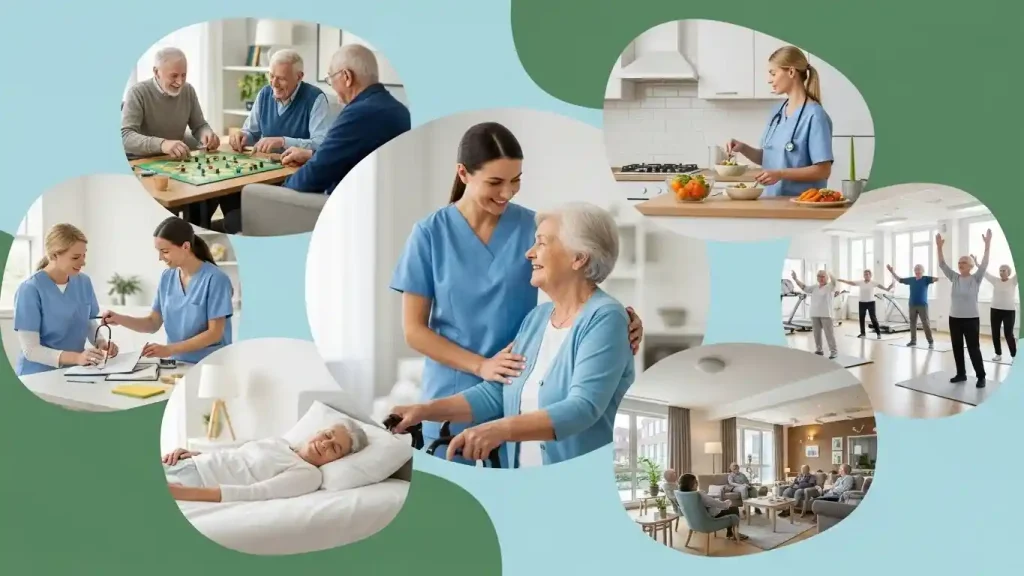
Not all seniors need the same level of care. Understanding your options helps you choose what’s right for your family.
1. Companion Care
Best for: Seniors who are mostly independent but need companionship and light assistance.
Services include:
- Social interaction and companionship
- Light housekeeping
- Meal preparation
- Transportation
- Medication reminders
- Activity engagement
2. Personal Care
Best for: Seniors who need help with daily living activities but don’t require medical care.
Services include:
- Bathing and grooming assistance
- Dressing help
- Mobility support
- Toileting assistance
- Eating assistance
- Transfer help (bed to chair, etc.)
3. Home Health Care
Best for: Seniors with medical needs requiring skilled nursing care.
Services include:
- Medication administration
- Wound care
- Vital sign monitoring
- Chronic disease management
- Post-surgery care
- Physical therapy
- Medical equipment management
4. Respite Care
Best for: Family caregivers who need temporary relief.
Services include:
- Short-term care (hours to weeks)
- Vacation coverage
- Emergency backup
- Scheduled breaks for primary caregivers
5. Live-In Care
Best for: Seniors requiring round-the-clock supervision but who want to stay home.
Services include:
- 24-hour presence
- Nighttime monitoring
- Comprehensive daily assistance
- Emergency response
- All the benefits of other care types combined
Senior Health Tips: What Good Elderly Care Includes
Quality home care for seniors incorporates evidence-based practices that genuinely improve health outcomes. Here are the senior wellness tips that professional caregivers follow:
Physical Health Focus
- Regular movement: Even chair exercises maintain circulation and prevent stiffness
- Hydration monitoring: Dehydration is common and dangerous in elderly people
- Skin care: Preventing pressure sores and infections
- Dental hygiene: Poor oral health affects overall health significantly
- Sleep quality: Maintaining regular sleep schedules and good sleep hygiene
- Sunlight exposure: Essential for vitamin D and mood regulation
Cognitive Health Strategies
- Mental stimulation: Puzzles, reading, conversations, learning
- Memory support: Visual cues, routines, reminder systems
- Orientation activities: Discussing date, time, and current events
- Decision-making opportunities: Maintaining cognitive control
- Sensory engagement: Music, aromatherapy, tactile activities
Emotional Wellbeing Practices
- Active listening: Validating feelings and experiences
- Life review: Discussing memories and life achievements
- Purpose creation: Meaningful activities and contributions
- Choice and control: Respecting preferences and decisions
- Celebration: Acknowledging birthdays, holidays, accomplishments
How Home Care Reduces Hospital Visits in the Elderly
This is one of the most significant yet underappreciated benefits of quality elderly care: keeping seniors out of hospitals. Hospital stays are dangerous for elderly people; they’re exposed to infections, become disoriented in unfamiliar environments, and often decline rapidly.
Home care prevents hospitalizations by:
- Catching problems early: Before they become emergencies
- Preventing falls: The leading cause of elderly hospital admissions
- Managing chronic conditions: Keeping them stable
- Ensuring medication compliance: Preventing complications
- Maintaining nutrition and hydration: Supporting immune function
- Providing immediate response to concerning symptoms
- Coordinating with doctors: For early intervention
Studies consistently show that seniors receiving quality home care have fewer emergency room visits, shorter hospital stays when admission is necessary, and better recovery outcomes. This not only improves health but also saves enormous healthcare costs.
Choosing Quality Elderly Care Services in Dubai and the UAE
If you’re in the UAE looking for elderly care services in Dubai or home care for seniors in the UAE, quality standards matter enormously. Not all providers offer the same level of care.
What to Look For in Senior Care Services
Professional qualifications:
- Licensed and trained caregivers
- Background checks and verification
- Ongoing training programs
- Medical staff for health needs
- Specialized dementia or chronic disease training
Service quality indicators:
- Personalized care plans
- Regular supervision and quality checks
- Clear communication with families
- Emergency protocols and 24/7 support
- Flexibility to adjust care as needs change
- Cultural sensitivity (especially important in the UAE’s diverse community)
Practical considerations:
- Transparent pricing
- Insurance acceptance
- Language capabilities (Arabic, English, Hindi, Tagalog, etc.)
- Availability and response times
- References and reviews
- Trial periods to ensure a good fit
Why Vital Healthcare Stands Out
For families seeking senior health services in Dubai or the best elderly care providers UAE, Vital Healthcare offers comprehensive elderly care at home with:
- Experienced, licensed caregivers trained in geriatric care
- Customized care plans addressing individual needs
- Medical professionals for health monitoring and management
- 24/7 availability for emergencies and urgent needs
- Culturally sensitive care respecting diverse backgrounds
- Coordination with doctors and healthcare providers
- Support for both physical and emotional well-being
- Family communication and involvement
- Flexible care levels from companion care to comprehensive medical support
Whether you need a few hours of daily support or full-time live-in care, professional services ensure your loved one receives the dignity, health support, and quality of life they deserve.
Taking the Next Step: Don’t Wait Until Crisis
Here’s my most important advice: don’t wait until there’s a crisis to arrange elderly care. By the time your parent has had a bad fall, stopped eating, or ended up in the hospital, you’re making decisions under pressure and stress.
Start planning now if your elderly parent:
- Lives alone and has limited social contact
- Has had any falls or near-falls
- Is forgetting medications
- Has lost weight or isn’t eating properly
- Seems depressed, anxious, or withdrawn
- Has chronic conditions needing monitoring
- Makes you worry while you’re at work
- Is causing you caregiver burnout
Even starting with just a few hours of care weekly can make an enormous difference. You can always increase support as needs grow.
Your Parent Deserves to Age Well
Growing older doesn’t have to mean declining quality of life, losing independence, or suffering from loneliness and poor health. Quality elderly care services provide the support seniors need to age well, maintaining physical health, emotional wellbeing, mental sharpness, and dignity.
Whether you’re looking for in-home care Dubai or exploring options for aging in place support, remember that investing in professional elderly care isn’t giving up on your parent , it’s giving them their best possible life in their golden years.
Your parent spent decades caring for you. Now it’s your turn, and that doesn’t mean doing everything yourself. It means ensuring they get the best possible care , care that improves their health, enriches their life, and allows them to age with dignity and joy.
The benefits of elderly care aren’t just about health metrics and fall prevention; they’re about giving your loved one days filled with purpose, connection, comfort, and happiness. That’s what quality of life really means, and that’s what good elderly care delivers.
Frequently Asked Questions About Elderly Care Services
1. What are the main benefits of elderly care for senior health?
Elderly care improves senior health through better medication management, fall prevention, nutritional support, chronic disease monitoring, regular exercise supervision, and early detection of health problems. Professional caregivers ensure vital signs are checked daily, medications are taken correctly, and warning signs of complications are caught early, preventing hospital visits and keeping chronic conditions stable. This comprehensive health monitoring extends healthy years of life.
2. How does in-home elderly care improve quality of life for seniors?
In-home elderly care dramatically improves quality of life by combating loneliness through companionship, maintaining cognitive function with engaging activities, reducing depression and anxiety, preserving dignity and independence, and allowing seniors to age in place in familiar surroundings. Seniors with regular caregiver support report better mental health, more social engagement, maintained physical abilities, and overall greater life satisfaction compared to isolated seniors.
3. Is elderly care at home better than nursing homes?
For most seniors who don’t require intensive medical care, elderly care at home offers significant advantages: remaining in familiar, comfortable surroundings; maintaining independence and control over daily life; receiving personalized one-on-one attention; keeping pets and possessions; staying connected to neighborhood and community; and typically lower costs. Home care supports aging in place while providing necessary assistance, which most seniors strongly prefer over institutional settings.
4. How much does home care for seniors cost in Dubai?
Home care for seniors in Dubai varies based on care level and hours needed. Companion care typically costs AED 25-40 per hour, personal care ranges from AED 35-50 per hour, and skilled nursing care costs AED 50-80 per hour. Live-in care runs approximately AED 5,000-12,000 monthly. Many insurance plans cover portions of medical home care. While costs seem significant, they’re typically lower than nursing facilities and prevent expensive hospital stays.
5. When should I start elderly care services for my parent?
Start elderly care services before a crisis occurs, ideally when you notice early signs like living alone with limited social contact, forgetting medications, experiencing falls or near-falls, losing weight or eating poorly, showing signs of depression or withdrawal, struggling with daily tasks, or causing you worry while at work. Beginning with a few hours weekly prevents problems from escalating and allows seniors to adjust gradually rather than starting care during an emergency.