

Armed conflict creates severe health risks for civilian populations through direct injuries, disease outbreaks, and the collapse of healthcare infrastructure. War zones experience overwhelming trauma casualties, contaminated water supplies, infectious disease spread, and critical shortages of medicines and medical personnel.
Medical preparedness becomes essential when hospitals close, ambulances cannot reach victims, and pharmacies run out of basic supplies. Understanding how to prevent infections, treat injuries, manage chronic conditions without professional help, and protect vulnerable family members determines survival during extended conflict.
This guide covers practical medical precautions civilians can take before and during war, including emergency supplies, first aid techniques, disease prevention and protection strategies for children and elderly family members.
What Are the Most Important Medical Precautions During War?
The most critical medical precautions during war are stockpiling essential medicines and supplies, learning basic first aid and trauma care, maintaining strict hygiene and sanitation and establishing emergency communication and evacuation plans. These four priorities address the primary causes of preventable death and suffering during armed conflict.
Understanding common wartime health risks helps prioritize preparations. Trauma injuries from explosions, gunfire, and building collapses cause immediate casualties requiring emergency treatment. Infectious diseases spread rapidly in crowded shelters with poor sanitation. Chronic conditions like diabetes and heart disease become fatal without continued medication access.
Emergency medical preparedness means having supplies, knowledge, and plans ready before crisis strikes. Once conflict begins, obtaining medical items becomes extremely difficult. Pharmacies are empty within hours. Roads become impassable. Preparation during peacetime creates survival advantages during war.
Protecting yourself and your family requires active measures beyond hoping for the best. Identify the safest room in your home away from windows and exterior walls. Stock adequate water and non-perishable food. Teach all family members basic first aid. Establish meeting points if separated. Create document packets with medical records, prescriptions, and emergency contacts.
While war preparation is essential, maintaining family health during stable times requires professional medical support. Vitals Healthcare provides comprehensive home medical services, including doctor visits, chronic disease management, and preventive care across Dubai.
Why Is Medical Preparedness Critical for Civilians in War Zones?
Medical preparedness saves lives when healthcare systems collapse during armed conflict. Hospitals become overwhelmed within hours of fighting, prioritizing life-threatening trauma cases while turning away less critical patients. Ambulances cannot respond to calls in active combat zones due to safety risks and damaged infrastructure.
Healthcare infrastructure fails systematically during war. Medical staff flee conflict areas or cannot reach hospitals through dangerous routes. Electricity outages disable medical equipment and refrigerated medication storage. Water supply contamination prevents surgical sterilization. Supply chains break down, creating shortages of everything from bandages to antibiotics.
Emergency injuries and trauma occur at scales that peacetime medical systems cannot handle. Explosions cause multiple casualties simultaneously. Building collapses trap victims requiring complex extraction and treatment. Burns from fires and incendiary weapons need specialized care. Without preparation, families face injuries they cannot treat and conditions they cannot manage.
Medicine and medical supply shortages develop rapidly. Pharmacies exhaust stock within days as people hoard supplies. Manufacturing and distribution networks collapse. International aid takes weeks or months to arrive and distribute. Chronic disease patients face immediate danger when insulin, blood pressure medication, and other essential drugs become unavailable.
The gap between injury and treatment determines survival. During normal times, ambulances arrive within minutes and hospitals provide immediate care. During war, victims may wait hours or days for help, if it comes at all. Home medical knowledge and supplies fill this critical gap, keeping injured or sick family members alive until professional care becomes accessible.
What Essential Medical Supplies Should Every Family Prepare?
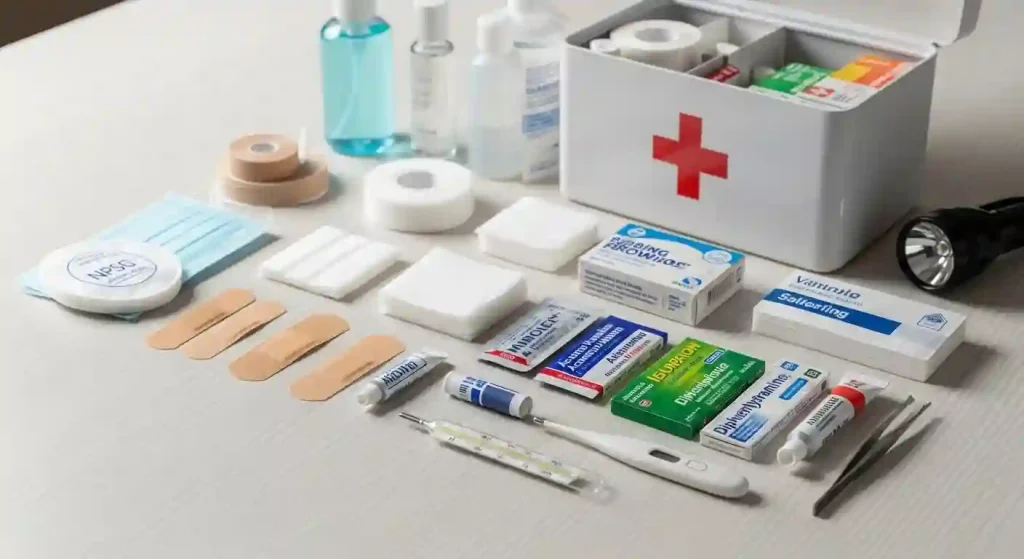
Every family should maintain a comprehensive medical kit containing supplies for injury treatment, infection prevention, chronic disease management, and protective equipment. Store supplies in waterproof, portable containers allowing quick evacuation if necessary.
First Aid Kit Essentials:
- Sterile gauze pads and rolls in multiple sizes
- Adhesive bandages and medical tape
- Elastic bandages for sprains and compression
- Triangular bandages for slings and tourniquets
- Sterile scissors and tweezers
- Safety pins for securing bandages
- Digital thermometer
- Disposable gloves (multiple pairs)
- Emergency blanket
Emergency Medications:
- Pain relievers (paracetamol and ibuprofen)
- Antihistamines for allergic reactions
- Anti-diarrheal medication
- Oral rehydration salts
- Antibiotic ointment
- Burn gel or cream
- Antacid tablets
- Cough and cold medications
- Any prescription medications (30-90 day supply if possible)
Antiseptics and Wound Care:
- Antiseptic solution (povidone-iodine or chlorhexidine)
- Alcohol wipes
- Hydrogen peroxide
- Sterile saline solution for wound irrigation
- Medical adhesive strips for wound closure
- Hemostatic gauze for severe bleeding control
Protective Equipment:
- N95 or surgical masks
- Eye protection or safety glasses
- Disposable medical gloves
- Hand sanitizer (alcohol-based)
- Soap for handwashing
Supplement commercial supplies with household items that serve medical purposes. Clean sheets and clothing become bandages. Plastic bags protect wounds. Salt creates a basic saline solution. Honey has natural antibiotic properties. Knowing improvised alternatives helps when commercial supplies run out.
Store medications properly in cool, dark, dry locations. Check expiration dates every six months and rotate stock. Keep a written inventory of all supplies with expiration dates. Divide supplies into portable and stationary kits, allowing you to grab essentials quickly during evacuation while maintaining larger reserves at home.
Medical supply preparation is critical for emergencies, but professional healthcare guidance ensures you stock appropriate items and understand proper use. Contact Vitals Healthcare for expert medical consultation and home healthcare services when professional care is accessible.
How to Prevent Infections and Disease During War
Preventing infectious disease during armed conflict requires strict hygiene practices, safe water and food handling, and protection from communicable disease spread in crowded conditions. Disease outbreaks during war often kill more people than direct combat injuries.
Sanitation and Hygiene Practices:
Handwashing remains the single most effective infection prevention measure. Wash hands thoroughly with soap and clean water before eating, after using toilet facilities, after treating wounds, and after contact with sick people. If soap is unavailable, use ash or sand to scrub hands, then rinse with clean water.
Create designated toilet areas away from water sources and living spaces. Dig latrines at least 50 meters from water sources and cover waste daily with soil. If indoor toilets stop working due to water or sewer failure, use buckets with tight-fitting lids, disposing of waste in designated areas daily.
Maintain personal cleanliness despite water shortages. Prioritize washing face, hands, and wounds over full body washing when water is limited. Change clothing regularly, even if washing is difficult. Air out sleeping areas daily and expose bedding to sunlight which kills many pathogens.
Safe Drinking Water:
Assume all water is contaminated during conflict. Treat water before drinking, cooking, or wound cleaning. Boiling water for 1 minute at rolling boil kills all disease-causing organisms. Allow water to cool before drinking.
If boiling is impossible due to fuel shortages, use water purification tablets following package directions. Chlorine bleach can disinfect water using 2 drops of unscented household bleach per liter, mixing well and waiting 30 minutes before drinking.
Filter water through a clean cloth to remove visible particles before chemical treatment or boiling. Store treated water in clean, covered containers to prevent recontamination. Never use water from obviously polluted sources like those with dead animals, visible sewage, or chemical smells.
Food Safety:
Cook all food thoroughly until steaming hot throughout. Heat kills bacteria, parasites, and viruses that cause foodborne illness. Avoid raw or undercooked meat, eggs, and seafood during conflict when refrigeration and food inspection systems fail.
Store food in sealed containers protected from rodents, insects, and contamination. Elevate storage off ground level. Discard any food with an unusual smell, color, or texture. When in doubt, throw it out rather than risk serious illness.
Wash fruits and vegetables with treated water before eating. Peel fruits and vegetables when possible, as outer surfaces may be contaminated. Avoid foods that cannot be cooked or peeled during high-risk periods.
Preventing Disease in Crowded Shelters:
Maintain maximum distance from others when possible. Respiratory diseases spread through airborne droplets when people crowd together. Create family sleeping areas separated from other groups by hanging sheets or curtains.
Ventilate shelters by opening windows or creating air circulation. Stagnant air concentrates disease-causing organisms. Fresh air dilutes infectious particles and reduces transmission risk.
Isolate sick individuals from healthy people immediately. Create separate areas for ill people with dedicated caregivers using protective equipment. Dispose of tissues, waste, and other contaminated materials separately from general trash.
Vaccinate children when possible before conflict, particularly against measles, polio, and diphtheria, which spread rapidly in crowded conditions. Maintain vaccination records to avoid duplicate vaccinations during humanitarian medical interventions.
How to Treat Common Injuries During Armed Conflict
Treating injuries without professional medical help requires knowledge of basic wound care, burn treatment, fracture stabilization, and bleeding control. Focus on preventing complications like infection and blood loss that transform survivable injuries into fatal outcomes.
Treating Cuts and Wounds:
Clean wounds immediately with treated water or sterile saline solution. Irrigation removes dirt, debris, and bacteria that cause infection. Pour water gently over the wound, allowing it to run off rather than soaking.
Apply an antiseptic solution after cleaning if available. Pat dry with clean gauze or cloth. Cover with sterile bandage to protect from contamination. Change dressings daily or whenever they become wet or dirty.
Watch for infection signs including increasing redness, warmth, swelling, pus discharge, red streaks extending from wound, or fever. Infected wounds need antibiotic treatment and may require professional care if infection spreads systemically.
Managing Burns:
Cool burns immediately with clean running water for at least 10 minutes. Cooling stops the burning process and reduces tissue damage. Never use ice directly as this causes additional injury.
Remove clothing and jewelry near burns unless stuck to skin. Materials retain heat and continue damaging tissue. Jewelry can trap swelling and cut off circulation.
Cover cleaned burns with dry, sterile bandages or clean cloth. Never apply oils, butter, toothpaste, or traditional remedies that increase infection risk. Keep burns clean and covered until healed.
Fracture Stabilization:
Do not move people with suspected spine or neck injuries unless immediate danger requires relocation. Movement can cause permanent paralysis or death. Support the head and neck in neutral alignment if movement is absolutely necessary.
Immobilize fractured limbs in the position found. Do not attempt to straighten deformed bones or push protruding bones back in. Create splints using rigid materials like boards, straight sticks, or rolled newspapers padded with cloth.
Secure splints above and below the fracture site using strips of cloth, belts, or rope. Check circulation after splinting by pressing fingernails or toenails. Release and reapply looser if extremities become cold, numb, or blue.
Compound fractures with bone protruding through skin require immediate attention. Cover exposed bone with sterile bandage without pushing bone back in. Control bleeding with pressure around the wound. Splint while maintaining wound covering. Seek professional care urgently as infection risk is extremely high.
How to Protect Children and Elderly People Medically During War
Children and elderly people face heightened medical vulnerability during armed conflict due to weaker immune systems, greater medication dependency, and difficulty adapting to harsh conditions. Targeted protection strategies improve survival for these vulnerable groups.
Protecting Vulnerable Populations:
Prioritize children and elderly for available medical resources, including medicines, clean water, and shelter from harsh conditions. Their bodies tolerate stress, dehydration, and illness less effectively than healthy adults.
Shield children from witnessing violence and trauma when possible. Psychological damage affects long-term health and development. Create safe play areas away from windows. Maintain routines and normalcy to reduce stress.
Keep elderly people warm and dry as they lose ability to regulate body temperature. Hypothermia develops rapidly in older adults. Layer clothing, provide blankets, and create insulated sleeping areas.
Medication Management:
Document all prescription medications with dosages and schedules for elderly family members. If separated during evacuation, this information allows others to provide appropriate care.
Ration medications carefully if supplies are limited. Consult with medical professionals before conflict if possible about which medications are absolutely essential and which can be reduced or stopped temporarily if necessary.
Create medication schedules visible to all caregivers. Confusion during crisis leads to missed doses or dangerous double dosing. Use pill organizers labeled by day and time. Mark each dose given to prevent errors.
Store medications according to package directions even during difficult circumstances. Many medications lose effectiveness when exposed to heat, light or moisture. Protect supplies in sealed containers.
Nutrition and Hydration:
Children and elderly people dehydrate faster than adults. Offer water frequently even if not requested. Dehydration causes confusion in elderly people, making them less likely to recognize their own thirst.
Prioritize nutrient-dense foods for vulnerable family members. Growing children need protein and calories for development. Elderly people often have poor appetite but need adequate nutrition to maintain strength and immune function.
Adapt food textures for elderly people with chewing or swallowing difficulties. Soften foods with liquid, mash or puree when needed. Small, frequent meals work better than large portions.
Monitor children and elderly for signs of malnutrition including weight loss, weakness, confusion, or slow wound healing. Malnutrition increases infection susceptibility and reduces survival chances during illness or injury.
Mental Health Precautions During War
Psychological trauma from armed conflict affects mental health as severely as physical injuries affect the body. War-related stress causes anxiety, depression, post-traumatic stress disorder, and other mental health conditions that impair functioning and reduce survival capacity.
Psychological Stress and Trauma:
Recognizing mental health symptoms allows early intervention before conditions become debilitating. Common war-related symptoms include persistent fear or anxiety, inability to sleep or nightmares, emotional numbness or detachment, irritability or anger outbursts, difficulty concentrating, and hypervigilance to threats.
Children show stress through behavioural changes, including regression to younger behaviours, bed-wetting, extreme clinginess, aggression, or withdrawal. Elderly people may show increased confusion, agitation, or memory problems beyond normal ageing patterns.
Coping Strategies:
Maintain routines and structure as much as possible. Regular sleep schedules, meal times, and daily activities provide psychological stability during chaos. Routine gives sense of control and normalcy.
Stay connected with trusted family and community members. Social isolation worsens mental health outcomes. Talk about feelings with people you trust. Sharing experiences reduces their psychological burden.
Practice stress reduction techniques, including deep breathing exercises, progressive muscle relaxation, or meditation, if familiar with these practices. Physical activity, even simple exercises in confined spaces, reduces anxiety and improves mood.
Supporting Family Members:
Listen without judgment when family members want to talk about their experiences and feelings. Avoid minimizing their concerns or offering simplistic solutions. Sometimes people need acknowledgement of their pain more than advice.
Maintain hope and focus on positive aspects even during difficult circumstances. Celebrate small victories and moments of normalcy. Hope sustains people through prolonged hardship.
Seek professional mental health support when accessible. Humanitarian organizations often provide psychological first aid and counselling in conflict zones. Professional intervention prevents acute stress from developing into chronic mental health conditions.
Professional Healthcare Support for Your Family
FAQs
What should be in a wartime medical kit?
A wartime medical kit should include sterile bandages, gauze, adhesive and elastic tape, triangular bandages for tourniquets, scissors, tweezers, disposable gloves, thermometer, antiseptic solution, antibiotic ointment, pain relievers, anti-diarrheal medication, oral rehydration salts, emergency blanket, N95 masks, wound closure strips, hemostatic gauze, burn gel, and a 30-day supply of any family prescription medications. Store everything in waterproof, portable containers. Check and replace expired items every six months. Supplement with household items like clean sheets, plastic bags, and salt for saline.
How can civilians prevent infections during war?
Prevent infections by washing hands thoroughly with soap and treated water before eating, after using the toilet, and during wound care. Treat all water by boiling it for 1 minute, using purification tablets, or adding 2 drops of bleach per liter and waiting 30 minutes. Create designated toilet areas far from water and living spaces, clean and cover wounds immediately with sterile bandages, cook food thoroughly, store it sealed, and maintain personal cleanliness with regular clothing changes. In crowded areas, keep distance, ventilate spaces, and isolate sick people quickly.
How do you treat injuries if hospitals are unavailable?
Control bleeding with direct pressure and elevation, clean wounds with treated water or saline, apply antiseptic and sterile bandages, immobilize fractures with improvised splints, cool burns with clean water for 10 minutes then cover with dry sterile cloth, and treat shock by laying the person flat with legs elevated and keeping them warm. Learn basic first aid in advance, including tourniquet use for severe bleeding and wound closure. Focus on preventing infection and blood loss, and seek professional care as soon as possible.
Why is hygiene important during conflict situations?
Hygiene prevents infectious disease outbreaks—such as cholera, typhoid, dysentery, and hepatitis—that often kill more people in war than combat injuries. Poor sanitation, contaminated water, and crowded conditions spread pathogens rapidly when infrastructure collapses. Handwashing stops transmission from surfaces to mouth, wounds, or food. Clean wound care avoids life-threatening infections. Safe water treatment and proper waste disposal eliminate major sources of disease. When medical care is unavailable for weeks or months, hygiene becomes the primary defense against infections that are hard to treat without antibiotics or hospitals.
How long can people survive without professional medical care during war?
Survival without professional care depends on injury severity and first aid resources. Severe bleeding kills in minutes, airway obstruction in 3–5 minutes, and untreated shock within hours. Many injuries and illnesses, however, can be survived for days to weeks with proper first aid, clean water, and infection prevention. People with chronic conditions like diabetes or heart disease face higher risks if medications run out. Children and the elderly are more vulnerable. Good preparation with supplies, knowledge, and hygiene measures greatly extends survival time until professional help arrives.