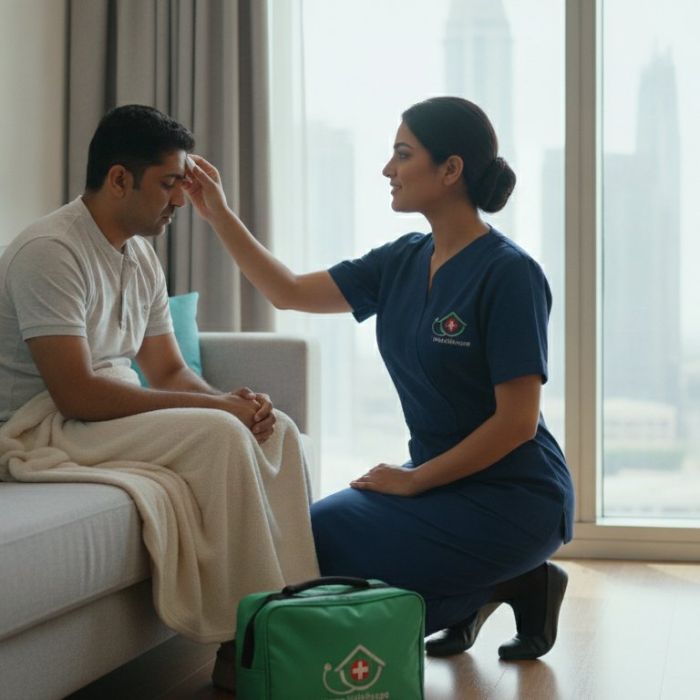

Imagine the moment your loved one finally returns to their own living room in Dubai. The relief of discharge is often quickly replaced by the daunting reality of managing Sheikh Zayed Road traffic for daily clinic visits. We know that the transition from a clinical setting to a domestic one is a fragile time, and finding specialized post-stroke physiotherapy at home becomes a priority to prevent losing progress. You aren’t alone in feeling that the logistics of travel shouldn’t stand in the way of vital healing.
Clinical data confirms that the first 90 days following a stroke are the most critical for neuroplasticity and motor recovery. By choosing a home-based approach, you turn your residence into a sanctuary for progress. This guide explains how bespoke rehabilitation plans accelerate independence, clarifies the latest DHA regulations, and provides a structured roadmap to help your family member regain their quality of life. We’re here to ensure that clinical excellence and the comfort of home work together for a faster recovery, because your family’s well-being is vital to us.
Key Takeaways
- Understand the critical significance of the “Golden Period”-the first 90 to 180 days-and how immediate intervention maximizes your potential for neurological recovery.
- Explore the science of neuroplasticity to learn how specific, repetitive movements encourage the brain to rewire itself and restore essential motor functions.
- Discover how post-stroke physiotherapy at home eliminates the stress of Dubai traffic, providing a sanctuary for healing that reduces anxiety and enhances clinical outcomes.
- Identify the core pillars of an effective rehabilitation program, including specialized gait training and Range of Motion exercises tailored to your unique recovery journey.
- Learn how our bespoke care model combines clinical expertise with compassionate 24/7 support to restore independence and improve your daily quality of life.
What is Post-Stroke Physiotherapy at Home?
Post-stroke physiotherapy at home is a specialized branch of neurological rehabilitation that focuses on retraining the brain and body to work in harmony after a stroke. It’s a personalized approach where clinical expertise is brought directly into your living space, turning your home into a sanctuary for healing. For many families in Dubai, this service is a vital alternative to traditional hospital settings, offering a way to recover with dignity and comfort. Our goal is to bridge the gap between clinical necessity and the emotional security that only a familiar environment can provide.
Timing is everything in recovery. Clinical experts often refer to the first 90 to 180 days after a neurological event as the “Golden Period.” During these six months, the brain possesses a heightened level of sensitivity to rehabilitation efforts. Engaging in consistent post-stroke physiotherapy at home during this window can significantly increase the chances of regaining lost motor functions. For a deeper look into the various stages of clinical recovery, you can consult this comprehensive guide to stroke rehabilitation which outlines the standard protocols used worldwide.
Dubai families are increasingly choosing home-based care to avoid the physical and mental exhaustion of commuting to outpatient clinics. In a city where time and comfort are highly valued, receiving bespoke care at home allows the patient to focus entirely on their milestones. The core objectives of our specialized sessions include:
- Restoring Motor Function: Helping patients regain control over limb movements and coordination.
- Improving Balance: Reducing the risk of falls and increasing confidence during daily activities.
- Preventing Complications: Actively working to stop muscle atrophy and joint stiffness before they become permanent.
The Role of a DHA-Licensed Physiotherapist
Every specialist within our team maintains a valid license from the Dubai Health Authority (DHA), which signifies they’ve met the most rigorous medical standards in the UAE. A neuro-physiotherapist isn’t the same as a general physical therapist; they possess advanced training in the complexities of the central nervous system. We believe in a multi-disciplinary approach, where our therapists collaborate closely with doctors and nurses to ensure that every aspect of the patient’s well-being is monitored and protected. This professional synergy is what defines our commitment to clinical excellence.
Understanding the Types of Stroke Recovery
Recovery paths differ based on whether a patient has experienced an ischemic stroke, caused by a blockage, or a hemorrhagic stroke, caused by bleeding. Each requires a unique intensity and pace of movement. A common challenge we address is hemiparesis, or one-sided weakness, which we treat through repetitive, task-specific training sessions. Neuroplasticity is the brain’s ability to reorganize itself by forming new neural connections. By leveraging this natural biological process, post-stroke physiotherapy at home helps patients bypass damaged areas of the brain to learn new ways of moving and interacting with their world.
The Science of Neuroplasticity: How the Brain Rewires at Home
Recovery after a stroke isn’t about reviving dead brain cells. Instead, it relies on the brain’s incredible ability to bypass damaged areas and forge new connections. This biological phenomenon, known as The Science of Neuroplasticity, serves as the foundation for every successful rehabilitation journey. When a patient engages in post-stroke physiotherapy at home, they aren’t just doing exercises; they’re physically reshaping their neural architecture. The brain operates on a “use it or lose it” principle. If a neural pathway isn’t stimulated through movement, the brain eventually reallocates those resources elsewhere. Consistent, high-intensity repetition is the only way to ensure these new pathways become permanent.
The home environment in the UAE provides a unique advantage that a sterile clinic cannot replicate. Clinical settings often lack the “real-world” triggers that the brain needs to contextualize movement. At home, every doorway, chair, and kitchen counter acts as a functional cue. This familiar sanctuary encourages the brain to map movements to actual daily needs, making the recovery process feel more purposeful and less like a medical chore. We’ve seen that patients who practice in their own living spaces often show more resilient progress because their training is anchored in their actual lives.
Rewiring Motor Pathways
Our therapists utilize Repetitive Task-Specific Training (RTST) to help the brain find alternative routes to control weakened limbs. This process, known as cortical reorganization, is best described as the brain’s way of finding a detour when a major highway is blocked. Practicing Activities of Daily Living (ADLs) in your own bedroom or kitchen provides a psychological boost. It’s one thing to lift a plastic cone in a gym; it’s quite another to successfully reach for a favorite glass in your own cupboard. This personal connection speeds up the “rewiring” process by linking motor tasks with emotional rewards.
Overcoming Learned Non-Use
When a patient finds it difficult to move a limb, they naturally begin to rely on their stronger side. Over time, the brain “forgets” how to communicate with the affected side, a setback called learned non-use. To reverse this, we emphasize consistent daily stimulation that extends far beyond the hours of a formal session. Our Vitals Healthcare team focuses on bespoke recovery plans that involve training family members. This ensures the patient is supported in using their affected limb throughout the day. By integrating therapy into the fabric of home life, we turn every interaction into an opportunity for neurological growth and long-term independence.
Home vs. Clinic: Choosing the Best Path in Dubai
Deciding where to receive care is a pivotal choice for any family. In Dubai, the logistical reality often dictates the recovery experience. Transporting a patient with limited mobility through Sheikh Zayed Road traffic at peak hours isn’t just a time commitment; it’s a physical and emotional tax on the survivor. We’ve seen that the stress of a 45-minute commute can elevate blood pressure and trigger “white coat hypertension,” where the clinical setting itself causes anxiety that hinders progress. Choosing post-stroke physiotherapy at home eliminates these barriers, allowing the patient to remain in a state of psychological safety.
The financial aspect is equally compelling. While clinic fees might seem comparable on the surface, the total cost of recovery often balloons when you factor in specialized wheelchair-accessible transport, which can cost upwards of 150 AED per trip in the city. By bringing the expert to you, those resources are better spent on additional sessions. This setting also empowers Dubai caregivers. When our therapists work within your residence, they don’t just treat the patient; they coach the family. This ensures that every interaction between sessions supports the healing process, turning the home into a 24/7 recovery hub.
The Benefits of Personalized One-on-One Care
In a busy clinic, a therapist might manage multiple patients at once. At home, you receive 60 minutes of undivided, clinical attention. This focus allows us to customize the environment specifically for the patient’s daily life. Whether you’re navigating a multi-story villa in Jumeirah or a compact apartment in Dubai Marina, we adapt the program to your layout. Clinicians often reference an Effective Home Stroke Rehab Program to ensure that every exercise performed in the living room meets international safety standards. We even teach patients to use household items, like kitchen counters for balance support, making post-stroke physiotherapy at home both sustainable and practical.
When is a Clinic/Hospital Better?
There are times when a clinical facility is necessary. If a patient requires intensive inpatient monitoring or access to heavy technology like robotic gait trainers, a hospital is the correct choice. However, once the acute phase passes, the goal shifts to functional living. Our “Vitals Healthcare Bridge” approach helps families manage this transition. Home-based physiotherapy in Dubai allows for a seamless transition from acute hospital care to long-term functional independence. We ensure that the clinical excellence you received in the ward continues without interruption in the comfort of your own bedroom, maintaining the momentum of your recovery journey.
Key Components of an Effective Home Stroke Rehab Program
Successful post-stroke physiotherapy at home relies on a structured, science-backed approach that transforms your living space into a professional recovery suite. We focus on Range of Motion (ROM) exercises to prevent joint contractures, which can affect up to 50% of patients with significant hemiplegia. By gently stretching muscles and moving joints through their full path, we reduce the painful stiffness of spasticity. Gait training is equally vital. Our therapists guide you across the diverse surfaces of a typical Dubai villa, from polished marble floors to thick Persian rugs and textured garden paths. This real-world practice ensures your transition to independent movement is seamless and secure.
For upper limb recovery, we often implement Constraint-Induced Movement Therapy (CIMT). This technique involves restraining the unaffected arm to “force” the brain to rewire connections to the weakened side. It’s a rigorous but highly effective method that leverages neuroplasticity. To complement this, we integrate balance and coordination drills. These aren’t just exercises; they’re life-saving skills designed to prevent the 73% of falls that occur within the home during the first year of recovery. For elderly patients who may also be recovering from a surgical procedure, our approach aligns closely with the principles of postoperative physiotherapy at home, which addresses fall prevention and restoring senior mobility in the same familiar environment. The same home-based model that benefits stroke survivors also underpins our sports injury physiotherapy Dubai service, where athletes recovering from strains and ligament tears receive bespoke, one-on-one care without the burden of clinic commutes.
Safety and Environment Optimization
Advanced Techniques Used at Home
Vitals Healthcare: Bespoke Stroke Recovery in Dubai
Vitals Healthcare approaches rehabilitation with a philosophy that transcends basic medical intervention. We believe in treating the person, not just the clinical symptoms. This means pairing high-level clinical excellence with a deep, compassionate understanding of the emotional toll a stroke takes on a family. By choosing post-stroke physiotherapy at home, you aren’t just receiving a service; you’re inviting a dedicated partner into your recovery journey. We treat every patient with the dignity they deserve, ensuring that the path to wellness is as comfortable as it is effective.
Our team consists of DHA-licensed experts who possess an intimate knowledge of the UAE medical landscape and the cultural nuances of families in Dubai. We understand that recovery is a 24/7 commitment. To support this, we seamlessly integrate our specialized physiotherapy with Doctor on Call services and professional Home Nursing. This comprehensive ecosystem ensures that every medical need is addressed immediately, allowing the patient to focus entirely on their physical progress. We view the home as more than a residence; it’s the ultimate sanctuary for healing, where the absence of hospital stress accelerates the brain’s ability to rewire and recover.
Our Personalized Assessment Process
Every recovery begins with a rigorous clinical evaluation during the initial home visit. Our neuro-physiotherapists don’t believe in standardized protocols. Instead, we analyze the specific stroke type and assess how it affects your daily movements and cognitive function. We set realistic, data-driven goals that reflect your personal lifestyle and aspirations. To ensure a cohesive care circle, we provide transparent, detailed reporting to family members and primary physicians, keeping everyone informed of every milestone achieved and every challenge overcome.
Start Your Recovery Journey Today
Ready to take the first step toward reclaiming your mobility? Booking a consultation with a Vitals Healthcare neuro-physiotherapist is a simple process designed to reduce your stress. For your first session, please have your recent hospital discharge papers and a list of current medications ready. This allows our team to hit the ground running with a safe and effective plan. We’re here to provide the expert guidance and steady hand you need to move forward with confidence and strength.
Take the Next Step Toward Your Recovery Today
Reclaiming independence after a stroke is a journey that requires both clinical precision and the familiar warmth of your own environment. Choosing post-stroke physiotherapy at home allows you to leverage the brain’s natural ability to rewire itself through neuroplasticity in the sanctuary where you feel most secure. Our DHA-licensed physiotherapists specialize in neuro-rehab, ensuring that every movement is a purposeful step toward a higher quality of life. We focus on bespoke care plans that respect your dignity and pace.
Vitals Healthcare provides a seamless continuum of medical excellence across every neighborhood in Dubai. We don’t just offer exercises; we provide 24/7 clinical support that integrates professional doctor-on-call services and specialized home nursing. This holistic approach ensures that technical expertise and emotional support are always within reach. Your home is the ultimate partner in your healing process, and we’re here to facilitate that transformation with expert care and compassion.
Ready to start your journey? Book a Specialized Stroke Assessment at Home to begin your personalized recovery program. You aren’t alone on this path; we’re here to provide the steady, expert guidance you need to regain your strength and confidence.
Frequently Asked Questions
Is post-stroke physiotherapy at home as effective as in-hospital rehab?
Post-stroke physiotherapy at home is clinically proven to be as effective as hospital-based rehabilitation for functional recovery. Research published in The Lancet indicates that patients receiving care in their own environment show comparable improvements in mobility and daily tasks. At Vitals, we transform your living space into a healing sanctuary where specialized therapists provide one-on-one attention. This personalized focus often leads to higher engagement compared to the 60 percent adherence rate seen in some clinical settings.
How soon after a stroke should physiotherapy begin in Dubai?
Physiotherapy should ideally begin within 24 to 48 hours once a patient is medically stable in a Dubai hospital. Early intervention is vital for neuroplasticity, which is the brain’s ability to rewire itself after injury. Our team coordinates with your primary physicians to ensure a seamless transition from the hospital to your residence. Starting post-stroke physiotherapy at home early can reduce the risk of secondary complications like muscle contractures by 30 percent.
Does insurance in Dubai cover at-home physiotherapy for stroke patients?
Many comprehensive insurance plans in Dubai, including those from Daman or AXA (GIG), provide coverage for home-based rehabilitation when it’s deemed medically necessary. Coverage typically requires a formal referral from a licensed neurologist or your treating physician. You should check your specific policy limits, as some plans cover up to 20 sessions per year. Our administrative team assists families in navigating these requirements to ensure your focus remains entirely on the healing process.
How many sessions of physiotherapy are typically needed for stroke recovery?
Recovery timelines vary, but most patients require three to five sessions per week for an initial period of three to six months. According to the American Stroke Association, the most rapid recovery occurs within the first 90 days after the event. We design bespoke schedules that adapt to your specific progress. Regular assessments every 30 days allow us to adjust the intensity and frequency of the post-stroke physiotherapy at home to optimize your physical restoration.
What equipment do I need to buy for home-based stroke physiotherapy?
You don’t need to purchase heavy or expensive machinery; our therapists bring specialized portable tools directly to your residence. Basic items like resistance bands, small hand weights, and a stable chair are usually sufficient for the first phase of recovery. If specialized equipment like a functional electrical stimulation (FES) device is required, we provide guidance on sourcing these in the UAE. This approach ensures your home remains a comfortable sanctuary rather than a cold medical facility.
Can elderly patients with other conditions still undergo intensive home physio?
Elderly patients with co-existing conditions like diabetes or hypertension can safely undergo intensive home physiotherapy through our medically supervised programs. We monitor vital signs during every session to ensure the heart rate and blood pressure remain within safe parameters. Tailored exercises account for 100 percent of the patient’s physical limitations. This careful balance of clinical excellence and compassion ensures that even the most fragile patients regain their dignity and independence.
How does Vitals Healthcare ensure the quality of its home physiotherapists?
Vitals Healthcare ensures quality by employing only DHA-licensed physiotherapists who have completed at least 5 years of clinical experience. Our recruitment process involves a rigorous 4-stage vetting system, including practical skill assessments and background checks. We provide ongoing training in the latest neuro-rehabilitation techniques. This commitment to excellence means you receive a trusted expert caregiver who treats your family with the same respect they’d their own.
What happens if the patient experiences a plateau in their recovery?
If a recovery plateau occurs, our therapists conduct a comprehensive review to introduce new stimuli and specialized techniques. Plateaus are a common phase in the healing journey, affecting roughly 40 percent of survivors at some point. We might shift focus toward task-specific training or cognitive integration to spark new neural pathways. Our team provides the emotional reassurance needed to stay motivated, ensuring that a temporary pause doesn’t end your journey toward a better quality of life.