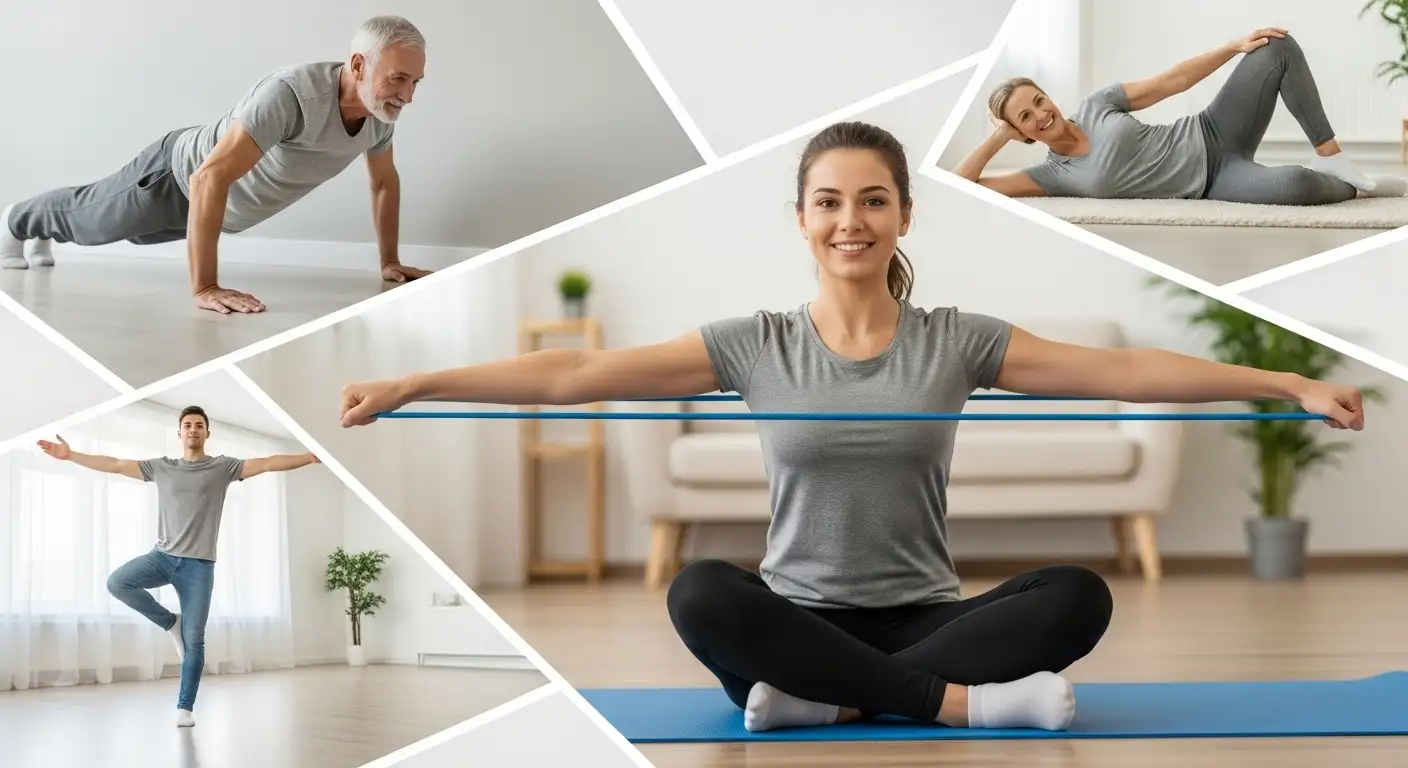


Dealing with pain shouldn’t mean your life comes to a stop. Whether you’re recovering from an injury, managing chronic discomfort, or simply want to stay active, at-home physiotherapy exercises can make a real difference in your daily life.
If you’re in Dubai and finding it tough to visit a clinic regularly, home exercises offer a practical solution. Between work commitments, family responsibilities, and the city’s traffic, making it to regular physiotherapy appointments can feel impossible. That’s where home physiotherapy becomes a game-changer.
With guidance from DHA-certified physiotherapists, you can now perform effective rehabilitation routines right in your living room. The best part? You don’t need fancy equipment or hours of free time. Just 15-20 minutes a day can help you move better, feel stronger, and live with less pain.
Let’s explore the best exercises that actually work, backed by experts and proven results.
Why Home Physiotherapy Exercises Work
Physiotherapy at home isn’t just convenient it’s proven to be highly effective. Research shows that consistent home exercise programs can reduce pain by up to 68% within the first 12 weeks when done correctly.
Think about it: when you exercise at home, you’re in control. There’s no rushing to appointments, no waiting rooms, and no feeling like you need to push through pain just because you made the effort to get there.
Here’s why home exercises are gaining popularity in Dubai:
- Flexibility: Exercise on your schedule, not the clinic’s
- Cost-effective: Save money on multiple clinic visits and transportation
- Comfort: Recover in familiar surroundings where you feel relaxed
- Consistency: Easier to maintain regular routines without travel
- Privacy: Practice exercises without feeling self-conscious
- Family-friendly: Exercise while supervising kids or between household tasks
According to physiotherapy experts at Physiopedia, home exercise programs show excellent results when patients receive proper guidance and follow structured routines. The key is having the right exercises and understanding how to do them safely.
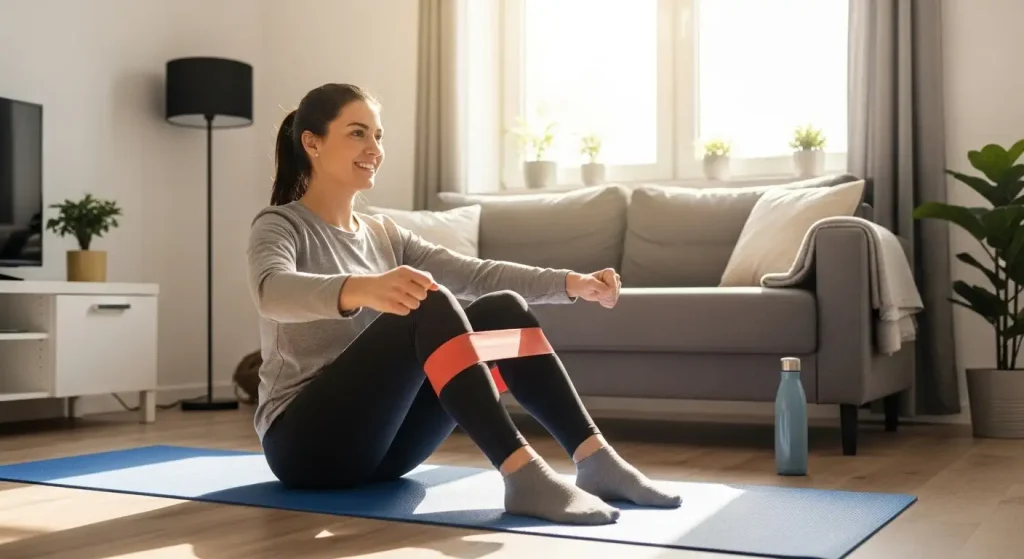
Understanding Your Body’s Healing Process
Before diving into specific exercises, it’s helpful to understand what’s happening when you’re in pain. Most common aches whether in your back, knees, or shoulders stem from muscle weakness, poor posture, or repetitive strain.
Your body is incredibly resilient. With the right movements, you can:
- Strengthen supporting muscles
- Improve flexibility and range of motion
- Reduce inflammation naturally
- Enhance blood circulation to injured areas
- Retrain movement patterns
- Build confidence in your body again
Physical therapy exercises work by gradually loading your tissues, allowing them to adapt and become stronger over time. It’s similar to how muscles grow stronger when you work out controlled stress leads to adaptation.
Essential Physiotherapy Exercises for Common Pain Issues
Back Pain Relief Exercises
Lower back pain affects millions worldwide, and if you work at a desk in Dubai, you’re especially vulnerable. These simple exercises can provide significant relief:
1. Cat-Cow Stretch
This gentle movement improves spinal flexibility and reduces stiffness. It’s perfect for morning routines when your back feels tight.
How to do it:
- Get on your hands and knees (tabletop position)
- Keep your hands directly under shoulders, knees under hips
- Arch your back upward like a cat, tucking your chin to chest
- Hold for 5 seconds
- Dip your stomach down while lifting your head and tailbone (cow pose)
- Hold for 5 seconds
- Repeat 10-15 times slowly
Why it works: This exercise mobilizes all sections of your spine, improving flexibility without putting pressure on individual vertebrae.
2. Pelvic Tilts
Perfect for strengthening core muscles and supporting your lower back. This back strengthening exercise is gentle enough for beginners but effective for everyone.
Steps:
- Lie on your back with knees bent, feet flat on floor
- Place arms at your sides, palms down
- Flatten your lower back against the floor by tightening your stomach muscles
- Your pelvis will tilt slightly upward
- Hold for 10 seconds while breathing normally
- Release slowly
- Do 3 sets of 10 repetitions
Benefits: Strengthens abdominal muscles that support your spine, reducing strain on lower back.
3. Bridge Exercise
This back strengthening exercise targets glutes and lower back muscles simultaneously.
Instructions:
- Lie flat on your back with knees bent
- Feet flat on floor, hip-width apart
- Arms at your sides
- Squeeze your buttocks and lift your hips toward the ceiling
- Your body should form a straight line from shoulders to knees
- Hold for 8-10 seconds
- Lower slowly and with control
- Repeat 10-12 times
Pro tip: Keep your shoulders on the ground and avoid overarching your lower back at the top.
4. Child’s Pose
This restful stretch releases tension in your entire back and is perfect after more active exercises.
How to perform:
- Start on hands and knees
- Sit back onto your heels
- Extend arms forward on the floor
- Rest your forehead on the ground
- Hold for 30-60 seconds
- Breathe deeply and relax
For comprehensive physiotherapy at home Dubai services, Vitals Healthcare provides professional support right at your doorstep with same-day availability.
Knee Pain Management Exercises
Knee strengthening exercises are essential for anyone experiencing joint discomfort or recovering from knee injuries. Whether you’re dealing with arthritis, a sports injury, or general wear and tear, these exercises can help.
5. Straight Leg Raises
Strengthens quadriceps without putting pressure on the knee joint ideal for those with knee arthritis.
Technique:
- Lie on your back with one leg bent, foot flat on floor
- Keep the other leg completely straight
- Tighten the thigh muscle of your straight leg
- Lift the straight leg 6-12 inches off the ground
- Keep your knee locked straight
- Hold for 5 seconds
- Lower slowly without letting your leg rest completely
- Complete 10-15 repetitions per leg
- Do 2-3 sets
Why this helps: Strong quadriceps take pressure off your knee joint during walking and standing.
6. Wall Squats
Builds leg strength while protecting your knees from excessive stress.
How to perform:
- Stand with your back against a wall
- Feet shoulder-width apart, about 12 inches from wall
- Slide down slowly until knees are at 90 degrees (or as far as comfortable)
- Your thighs should be parallel to the floor
- Hold for 5-10 seconds
- Slide back up slowly
- Repeat 8-10 times
- Rest 1 minute between sets
Important: Don’t let your knees extend past your toes. If you feel pain, don’t squat as deeply.
7. Hamstring Curls
Targets the back of your thighs, supporting knee stability and balance.
Steps:
- Stand holding a chair or counter for balance
- Shift weight to one leg
- Lift one foot toward your buttocks
- Keep your knees close together
- Hold briefly at the top
- Lower with control
- Repeat 10-12 times per leg
- Do 2-3 sets
Advanced version: Add ankle weights for extra resistance as you get stronger.
8. Step-Ups
Functional exercise that mimics daily activities like climbing stairs.
Instructions:
- Use a sturdy step or low stool (4-6 inches high to start)
- Step up with one foot
- Bring the other foot up to meet it
- Step back down with the same foot
- Alternate leading legs
- Do 10 repetitions per leg
Learn more about effective physiotherapy exercises for knee pain from certified experts.
Shoulder Pain Relief Exercises
Shoulder mobility exercises help reduce tension and improve range of motion. Frozen shoulder, rotator cuff issues, and general stiffness respond well to consistent stretching.
9. Pendulum Swings
Gentle exercise perfect for shoulder pain relief, especially in the early stages of injury.
Instructions:
- Lean over a table or chair for support with your good arm
- Let your affected arm hang down loosely
- Gently swing arm forward and backward (like a pendulum)
- Then swing side to side
- Finally, swing in small circles
- Do 10 circles clockwise, then 10 counterclockwise
- Repeat 2-3 times daily
Key point: Let gravity do the work. Don’t force the movement.
10. Wall Crawls (Finger Walks)
Gradually improves shoulder flexibility and overhead reach.
How to do it:
- Stand facing a wall, about arm’s length away
- Place fingertips on wall at waist height
- Use your fingers to “walk” up the wall slowly
- Go as high as comfortable without pain
- Hold for 5-10 seconds at your highest point
- Walk fingers back down slowly
- Repeat 5-10 times
- Track your progress mark how high you reach
Goal: Each week, try to reach a little higher. Progress should be gradual.
11. Shoulder Rolls
Releases tension and improves circulation throughout the shoulder girdle.
Technique:
- Stand or sit with arms relaxed at sides
- Lift shoulders up toward your ears
- Roll shoulders back and down in a circular motion
- Complete 10 rolls backward
- Reverse direction for 10 rolls forward
- Do this several times throughout the day
12. Doorway Stretch
Opens up chest muscles that often pull shoulders forward.
Steps:
- Stand in a doorway with arms at 90 degrees
- Place forearms on doorframe
- Step forward with one foot until you feel a stretch across your chest
- Hold 20-30 seconds
- Repeat 3 times
Neck Pain Exercises
Neck pain is incredibly common, especially for office workers and anyone who spends time looking at screens.
13. Neck Stretches
Perfect for those spending long hours at desks or on phones.
Side Stretch:
- Sit upright with shoulders relaxed
- Gently tilt your head to the right, bringing your ear toward your shoulder
- Hold for 10-15 seconds
- Feel the stretch along the left side of your neck
- Return to the center slowly
- Repeat on the left side
- Do 5 repetitions on each side
Forward Stretch:
- Tuck your chin slightly
- Bring your head forward, looking down
- Hold 10 seconds
- Return to neutral
Rotation:
- Turn your head to look over your right shoulder
- Hold 10 seconds
- Return to center
- Turn left
- Repeat 5 times each side
14. Chin Tucks
Strengthens deep neck muscles and improves posture.
How to perform:
- Sit or stand with good posture
- Look straight ahead
- Pull your chin straight back (like making a double chin)
- Hold 5 seconds
- Release
- Repeat 10 times
According to Commons Clinic, consistency with these exercises is more important than intensity. Doing them regularly at a moderate level beats occasional intense sessions.
Hip Flexibility Exercises
Tight hips contribute to back and knee pain, making these stretches essential.
15. Hip Flexor Stretch
Releases tension from prolonged sitting.
Instructions:
- Kneel on one knee (use a cushion for comfort)
- Other foot flat on floor in front, knee at 90 degrees
- Keep back straight, core engaged
- Gently push hips forward
- Hold 20-30 seconds
- Switch sides
- Repeat 2-3 times per side
16. Figure-4 Stretch
Targets hip external rotators and glutes.
Steps:
- Lie on your back
- Cross one ankle over the opposite knee
- Pull the uncrossed leg toward your chest
- Hold 20-30 seconds
- Switch legs
- Repeat 2-3 times
Creating Your Daily Exercise Routine
Building an effective home physiotherapy routine doesn’t require expensive equipment or hours of your day. The secret is consistency and proper progression.
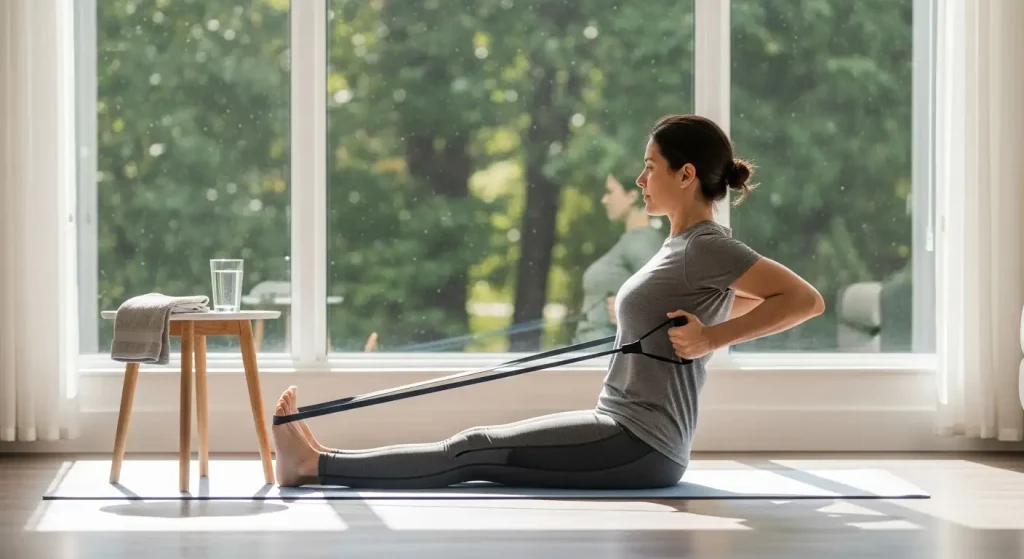
Sample Weekly Schedule:
Monday, Wednesday, Friday (Strength Focus):
- 5-minute warm-up (walking in place, arm circles)
- Back strengthening exercises (3 exercises × 10 reps)
- Leg strengthening (3 exercises × 10 reps)
- Core exercises
- 5-minute cool-down stretches
Tuesday, Thursday (Flexibility & Mobility):
- Gentle stretching routine (all major muscle groups)
- Shoulder and neck exercises
- Hip mobility work
- Balance exercises
- Breathing exercises
Weekend:
- Light activity: day walking, swimming, or gentle yoga
- Optional: Repeat favorite exercises from the week
Progressive Overload for Home Exercises
Start where you are, not where you think you should be. Here’s how to progress safely:
Week 1-2: Learn proper form, low repetitions (5-8 reps)
Week 3-4: Increase repetitions (10-12 reps)
Week 5-6: Add a second set of exercises
Week 7-8: Increase hold times or add resistance
Week 9+: Advanced variations or third set
Important Safety Tips
Before starting any physiotherapy exercises at home, keep these guidelines in mind:
- Start slowly: Don’t push through sharp pain discomfort is okay, pain is not
- Warm up first: 5 minutes of gentle movement prepares your body
- Breathe properly: Never hold your breath during exercises
- Maintain good form: Quality over quantity always wins
- Rest between sets: Allow muscles to recover (30-60 seconds)
- Stay consistent: Daily practice beats occasional intensity
- Listen to your body: Some days require gentler approaches
- Stay hydrated: Drink water before, during, and after exercise
- Use proper surfaces: An Exercise mat prevents slipping
- Clear your space: Remove obstacles that could cause falls
For personalized guidance, consider booking a doctor on call in Dubai who can assess your specific needs and create a customized program.
When to Seek Professional Help
While home exercises for pain relief are effective, certain situations require professional attention:
Seek immediate help if you experience:
- Pain that worsens despite regular exercise and rest
- Numbness or tingling in limbs
- Difficulty walking, standing, or maintaining balance
- Severe swelling or inflammation that doesn’t improve
- Pain lasting more than 2-3 weeks without improvement
- Sudden sharp pain during exercise
- Fever along with joint or muscle pain
- Loss of bowel or bladder control with back pain
Consider professional guidance for:
- Post-surgical rehabilitation
- Chronic conditions requiring monitoring
- Sports injury recovery
- Elderly individuals starting exercise
- Complex movement patterns
- Motivation and accountability
Vitals Healthcare offers 24/7 physiotherapy services at home across Dubai, including Dubai Marina, Palm Jumeirah, Downtown Dubai, Business Bay, Jumeirah Golf Estates, Arabian Ranches, and all major residential areas.
Benefits of Professional Home Physiotherapy Support
Getting expert guidance makes your home rehabilitation exercises more effective and safer:
Professional Assessment: Licensed physiotherapists evaluate your condition properly, identifying root causes rather than just treating symptoms.
Customized Programs: Exercises tailored to your specific injury, fitness level, and lifestyle needs.
Progress Monitoring: Regular check-ins ensure you’re improving safely and adjust programs as needed.
Advanced Techniques: Learn proper form, breathing techniques, and modifications for different pain levels.
Manual Therapy: Hands-on treatment combined with exercises for faster recovery.
Education: Understanding your condition helps you prevent future problems.
Motivation: Professional support keeps you accountable and on track.
Equipment Guidance: Recommendations for helpful tools without wasting money on unnecessary gadgets.
Research from Hinge Health shows that guided home physiotherapy programs achieve better outcomes than unsupervised exercise, with higher completion rates and fewer setbacks.
Common Mistakes to Avoid
Many people make these errors when doing physiotherapy exercises for pain:
Skipping warm-ups: Cold muscles are more prone to injury. Always prepare muscles before exercise.
Doing too much too soon: Enthusiasm is great, but gradual progression prevents setbacks and injuries.
Ignoring pain signals: Discomfort during exercise is okay, sharp pain is not. Know the difference.
Inconsistent practice: Exercising sporadically won’t bring lasting results. Consistency matters most.
Poor posture during exercises: Wrong form can worsen problems instead of fixing them.
Expecting instant results: Recovery takes time and patience. Celebrate small improvements.
Comparing yourself to others: Your recovery journey is unique. Focus on your own progress.
Holding your breath: Proper breathing delivers oxygen to working muscles and prevents dizziness.
Not resting enough: Muscles need recovery time to repair and strengthen.
Giving up too soon: Most people see significant improvement after 4-6 weeks of consistent practice.
Equipment You Might Need
Most home physiotherapy exercises require minimal equipment. Here’s what helps:
Basic Items (Essential):
- Yoga mat or thick towel for floor exercises
- Sturdy chair for balance support
- Wall space for stretches
- Comfortable, non-restrictive clothing
- Athletic shoes with good support
Optional Tools (Enhance Workouts):
- Resistance bands (light, medium, heavy)
- Small hand weights (2-5 lbs) or water bottles
- Foam roller for muscle release
- Exercise ball for core work
- Tennis ball for self-massage
- Cushion or pillow for comfort during floor work
- Timer or clock to track intervals
Dubai Shopping Tips: You can find affordable exercise equipment at Dragon Mart, IKEA, Decathlon, or online through Noon and Amazon.ae. However, don’t let lack of equipment stop you bodyweight exercises are highly effective.
The beauty of home exercises is that you don’t need a fancy gym setup to see results. Your body weight provides plenty of resistance.
How Often Should You Exercise?
Frequency matters more than duration for rehabilitation:
- Complete Beginners: 10-15 minutes, 3 times per week
- Some Exercise Experience: 15-20 minutes, 4-5 times per week
- Regular Exerciser: 20-30 minutes, 5-6 times per week
- Advanced: 30-40 minutes, 6 days per week with 1 rest day
According to physiotherapy guidelines from Physio-Pedia, exercising 3-5 days weekly produces significant improvements. More isn’t always better quality and consistency trump quantity.
Rest days are essential. Your muscles repair and strengthen during rest, not during exercise. Schedule at least one complete rest day weekly.
Measuring Your Progress
Track your improvement with these simple indicators:
Reduced pain levels: Rate your pain daily (1-10 scale)
Increased range of motion: Notice improved flexibility
Better sleep quality: Less pain-related sleep disruption
Improved daily function: Activities that were difficult become easier
Greater confidence in movement: Less fear of aggravating pain
Less reliance on pain medication: Fewer pills needed
Increased energy levels: Better overall vitality
Improved mood: Exercise releases endorphins naturally
Better posture: Standing and sitting feel more natural
Enhanced balance: Fewer stumbles or near-falls
Keep a simple journal, noting pain levels and activities you can now do more easily. Looking back after a month pmotivatesto continue.
Nutrition and Recovery
Exercise is only part of recovery. What you eat and how you rest matter too:
Foods that support healing:
- Protein: Eggs, chicken, fish, legumes (builds muscle)
- Omega-3s: Salmon, walnuts, flaxseeds (reduces inflammation)
- Vitamin C: Citrus, berries, peppers (supports tissue repair)
- Calcium & Vitamin D: Dairy, fortified foods (bone health)
- Water: Aim for 8-10 glasses daily (flushes toxins)
Avoid inflammatory foods:
- Excess sugar and processed foods
- Trans fats and fried foods
- Excessive alcohol
- Too much caffeine
Sleep quality: Aim for 7-9 hours nightly. Your body does most healing during sleep.
Adapting Exercises for Different Ages
For Seniors (65+):
- Focus on balance and fall prevention
- Hold onto stable furniture for support
- Move more slowly with more control
- Start with chair-based exercises
- Prioritize flexibility over strength initially
- Consider professional guidance for safety
Learn more about elderly care at home in Dubai and specialized senior programs.
For Middle Age (40-64):
- Balance strength and flexibility work
- Pay attention to joint health
- Modify high-impact moves
- Focus on core stability
- Address postural issues from desk work
For Younger Adults (18-39):
- Can tolerate higher intensity
- Focus on injury prevention
- Build strong foundation now
- Address repetitive strain from modern lifestyle
- Incorporate variety to stay engaged
Frequently Asked Questions
How long before I see results from physiotherapy exercises?
Most people notice improvements within 2-3 weeks of consistent practice. You might feel increased flexibility and reduced stiffness first. Strength gains and significant pain reduction typically appear around weeks 4-6. However, full recovery can take 6-12 weeks depending on your condition. The key is staying consistent with your routine; even 10 minutes daily is better than an hour once a week.
Can I do physiotherapy exercises every day?
Yes, gentle stretching and mobility exercises can be done daily. However, strength-building exercises need rest days to allow muscle recovery and growth. Aim for 3-5 days per week of strength work with at least one rest day between intense sessions. On rest days, light stretching or walking is perfectly fine. Listen to your body; soreness is normal, but pain signals you need more recovery time.
Are home exercises as effective as clinic physiotherapy?
Home exercises can be highly effective, especially with proper initial guidance from a qualified physiotherapist. Studies show that supervised home programs achieve similar results to clinic-based therapy when done correctly. The advantage of home exercise is consistency; you’re more likely to maintain daily routines at home than traveling to a clinic multiple times weekly. However, complex injuries or post-surgical cases may benefit from hands-on clinical treatment initially, then transitioning to home maintenance.
What should I do if exercises cause pain?
Stop immediately if you experience sharp or increasing pain during exercise. Mild discomfort or muscle fatigue is normal and expected, but pain signals something is wrong. Try reducing the range of motion, doing fewer repetitions, or switching to a gentler variation. If pain persists for more than a day or two, consult a physiotherapist to adjust your exercises or check for underlying issues. Never push through sharp pain; it can worsen injuries.
Do I need special equipment for home physiotherapy?
No expensive equipment is needed to start. Most effective exercises use body weight, a sturdy chair, or a wall for support. A yoga mat makes floor exercises more comfortable but isn’t essential. Optional items like resistance bands (available for 20-50 AED in Dubai) can add variety but aren’t necessary initially. Start with what you have, and only purchase equipment if you find certain exercises particularly helpful.
How do I know if I’m doing exercises correctly?
Consider a single in-home session with a professional physiotherapist who can demonstrate proper form and watch your technique. They can correct positioning and provide cues specific to your body. Record yourself doing exercises and compare them to demonstration videos. Vitals Healthcare’s home physiotherapy services offer personalized instruction in your own space, ensuring you learn correct techniques from the start.
Can elderly people do these exercises safely?
Yes, most exercises can be modified for seniors. Start with gentler versions, use a chair for support during standing exercises, and progress slowly. Balance exercises are especially important for fall prevention. Seniors should prioritize consistency over intensity. Professional guidance is especially helpful for older adults to ensure safety and appropriate progression. Many exercises can even be done while seated.
What time of day is best for physiotherapy exercises?
Any time you’re consistent works best. Many people prefer mornings when muscles are fresh and they’re less likely to skip due to fatigue. Morning exercise can reduce stiffness that builds up during sleep. Others find evening sessions help them sleep better and release work-related tension. Avoid exercising right before bed, as it may be energizing. Choose a time that fits your schedule and stick with it. Consistency matters more than timing.
Can I exercise when I’m experiencing pain?
It depends on the type of pain. Dull, achy pain or stiffness often improves with gentle movement. In fact, staying still can make it worse. However, sharp, acute pain requires rest and possibly medical evaluation. A good rule: if pain increases during or after exercise, reduce intensity or take a break. If pain decreases with movement, continue gently. When in doubt, consult a physiotherapist before pushing through pain.
Will I need to do these exercises forever?
Not necessarily at the same intensity. Initially, you’ll follow a structured rehabilitation program. As you recover, you’ll transition to maintenance with fewer sessions per week with a focus on prevention. Think of it like brushing your teeth: ongoing movement and strength work prevent future problems. Many people find they enjoy the benefits so much that they continue modified routines as part of a healthy lifestyle, even after pain resolves.
Take Control of Your Recovery Today
At-home physiotherapy exercises offer a practical, effective way to manage pain and improve mobility without disrupting your busy Dubai lifestyle. Whether you’re dealing with back pain, knee issues, shoulder discomfort, or general stiffness, these expert-recommended exercises can make a real difference in how you feel every day.
Remember, consistency beats intensity every time. Ten minutes daily is better than an hour once a week. Small, regular efforts compound into significant improvements over weeks and months.
You don’t have to live with pain. You don’t have to rearrange your life around clinic appointments. With the right exercises and guidance, recovery can happen in the comfort of your own home.
Ready to Start Your Recovery Journey?
Don’t let pain hold you back any longer. Whether you need help getting started with the right exercises, want a professional assessment of your condition, or require hands-on treatment alongside home exercise, expert help is just a call away.
Contact Vitals Healthcare for professional physiotherapy support delivered right to your home in Dubai. Our DHA-certified physiotherapists create personalized exercise programs tailored to your specific needs, fitness level, and lifestyle.
Available 24/7 Across Dubai:
- Dubai Marina
- Palm Jumeirah
- Downtown Dubai
- Business Bay
- Jumeirah Golf Estates
- Arabian Ranches
- All major residential and hotel areas
Why Choose Vitals Healthcare: ✓ Same-day appointments available ✓ DHA-licensed professionals ✓ Average 30-minute response time ✓ Customized treatment plans ✓ Ongoing support and progress tracking ✓ Convenient home service
Professional. Convenient. Effective.
Start your pain-free life today with expert-guided home physiotherapy exercises that actually work. Your recovery journey begins with a single step or, in this case, a single stretch.
Take action now. Your future self will thank you.