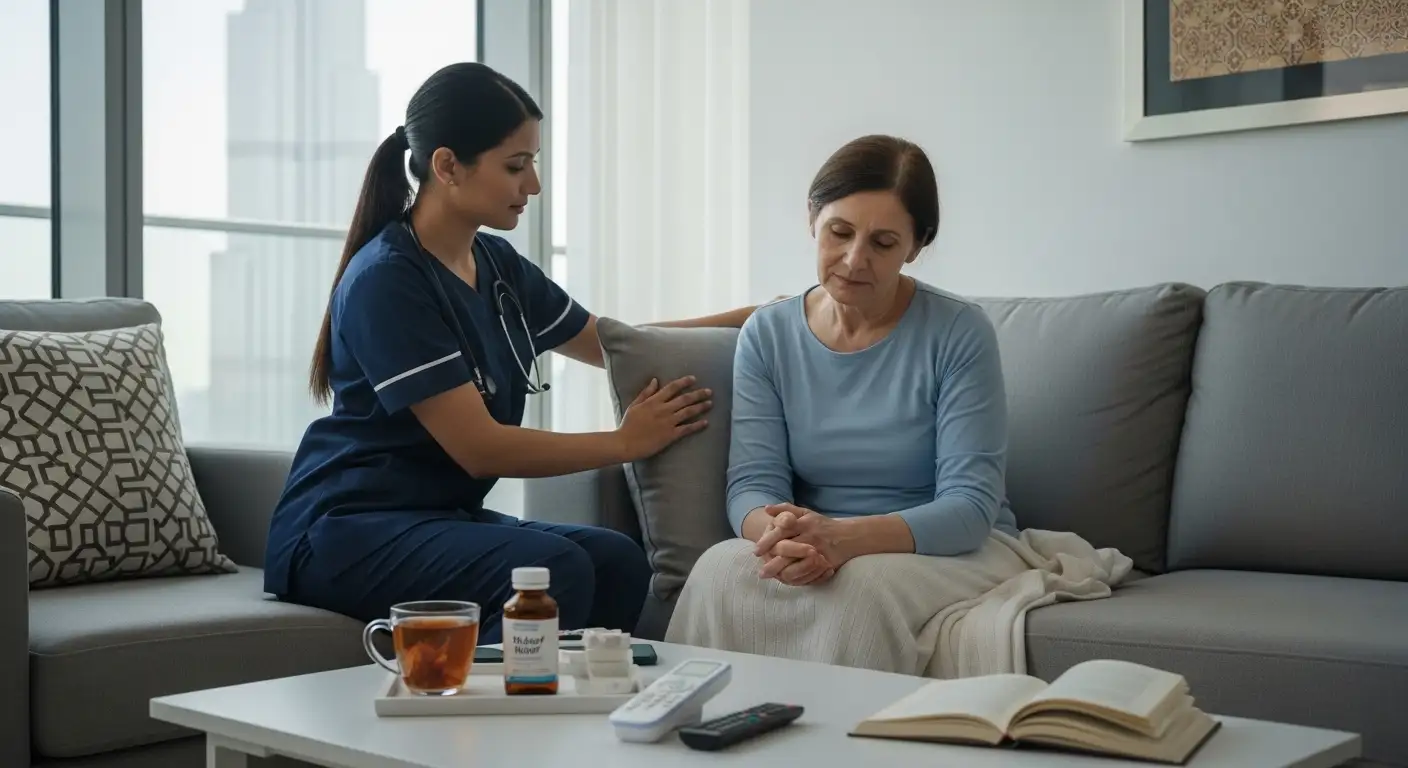


Cancer patient care at home in Dubai means bringing licensed medical support directly to where the patient lives, whether that is a hospital-level nurse, pain management, IV therapy, or emotional support. It is not a downgrade from hospital care. For many patients in Dubai, it is the most dignified, comfortable, and clinically appropriate choice available. Home-based cancer care covers everything from advanced illness management to daily hygiene assistance, all delivered inside a familiar environment.
Most families do not know how much professional home cancer care can do until they explore it. The range of services may surprise you.
What Does Cancer Patient Care at Home Mean?
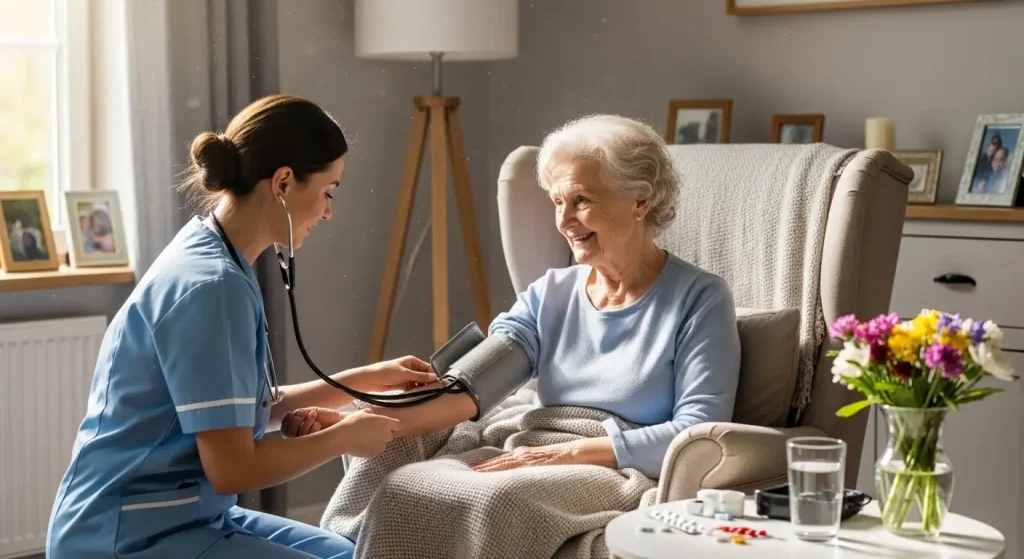
Home cancer care is structured medical and supportive care delivered in the patient’s home by a licensed home healthcare team. It is not informal caregiving by family alone.
It includes two broad types of care. Palliative care focuses on symptom relief, comfort care, and quality of life. It is appropriate at any stage of cancer, not just end of life. Curative support care is for patients still receiving active treatment who need skilled nursing or IV therapy administered safely outside a hospital setting.
Licensed home care providers in Dubai operate under DHA (Dubai Health Authority) regulations. This means the care you receive at home meets the same clinical standards as inpatient care, delivered by qualified doctors, nurses, physiotherapists, and dieticians.
At Vitals Healthcare, our home medical care team supports cancer patients across all stages with personalised, patient-centred care plans.
Why Do Families in Dubai Choose Home Cancer Care?
The decision to shift from hospital to home is rarely simple. But most families arrive at the same conclusion: the patient does better at home.
Hospital fatigue is real. Long-stay patients often experience disrupted sleep, reduced autonomy, and a decline in emotional wellbeing. Being in a familiar environment restores a sense of control, which directly improves patient wellbeing and cooperation with treatment.
Privacy and dignity matter deeply in a multicultural city like Dubai. Many families prefer that advanced illness care, especially terminal illness care, happens away from public hospital settings. Home care delivers compassionate care with full respect for personal, cultural, and religious values.
Infection risk reduction is a clinical advantage. Cancer patients undergoing chemotherapy are immunocompromised. Staying home significantly lowers their exposure to hospital-acquired infections, which are a leading complication in oncology cases.
Emotional comfort for both patients and caregivers is the factor families mention most. The presence of family, familiar surroundings, and consistent nursing staff builds trust and reduces anxiety in a way that hospital rotations rarely can.
What Services Are Included in Home Cancer Care in Dubai?
Home cancer care is far more comprehensive than most people expect. A proper home-based treatment plan from a licensed provider covers:
Skilled nursing for wound care, catheter management, stoma care, and daily clinical assessments. Nurses monitor vitals, track symptom changes and escalate concerns in real time.
Pain management through structured medication protocols, including opioid and non-opioid options prescribed and supervised by a physician.
IV therapy at home for hydration, antibiotic therapy, blood transfusions and nutritional support when oral intake is compromised.
Wound care at home for surgical sites, radiation burns, or pressure injuries requiring regular skilled dressing changes.
Oxygen therapy for patients with breathing difficulty related to lung involvement or treatment side effects.
Medication management covering scheduling, side effect monitoring, and coordination with the oncology team.
Every service is coordinated through a multidisciplinary care team including doctors, nurses, physiotherapists, and dieticians.
Explore our home healthcare services for cancer patients in Dubai and get a personalised care plan within 24 hours.
How Is Cancer Pain Managed at Home?
Pain management in cancer home care is clinical, structured, and monitored. It is not guesswork.
Pain assessment uses standardised scales (0 to 10 numeric or Wong-Baker FACES) to track changes over time and guide medication adjustments.
Opioid medications such as morphine and oxycodone are used for moderate to severe cancer pain under strict physician supervision, titrated to achieve relief without unnecessary sedation.
Non-opioid options, including NSAIDs, anticonvulsants, and antidepressants, target specific pain types such as neuropathic or bone pain from metastasis.
Palliative care strategies beyond medication include positioning techniques, heat or cold application, and relaxation methods taught to family caregivers to use between nursing visits.
Symptom monitoring happens at every visit. New pain patterns or side effects are addressed before they escalate.
How Can Home Nursing Support Improve Quality of Life?
Quality of life for cancer patients is not just about pain levels. It is about daily functioning and feeling cared for as a person.
Daily hygiene assistance maintains dignity when patients can no longer manage independently. Bathing, oral care, and grooming are provided respectfully and routinely.
Nutritional support from a dietician addresses appetite loss, nausea, and weight maintenance. Proper nutrition reduces fatigue and supports the body during treatment.
Mobility assistance and physiotherapy prevent complications from prolonged bed rest, including muscle weakness, joint stiffness, and pressure sores. Gentle movement also reduces blood clot risk.
Emotional companionship from consistent nursing staff reduces patient anxiety and the isolation that often accompanies advanced cancer care.
How Do You Prevent Complications During Cancer Care at Home?
Home care done properly is proactive. Complications build gradually, and a trained team catches them early.
Infection control is the top priority. Nurses follow strict hygiene protocols for IV lines, wound sites, and catheter care. Family caregivers are trained on safe practices to reduce contamination risk.
Pressure sore prevention requires regular repositioning, skin assessments, and proper mattress support for bedridden patients. These injuries progress rapidly in immunocompromised patients.
Vital sign monitoring at every visit tracks blood pressure, oxygen saturation, temperature and heart rate. Deviations from baseline trigger immediate clinical review.
Chemotherapy side effect management includes monitoring for febrile neutropenia, severe nausea and peripheral neuropathy, with a clear escalation pathway to hospital when needed.
What Emotional and Psychological Support Do Cancer Patients Need?
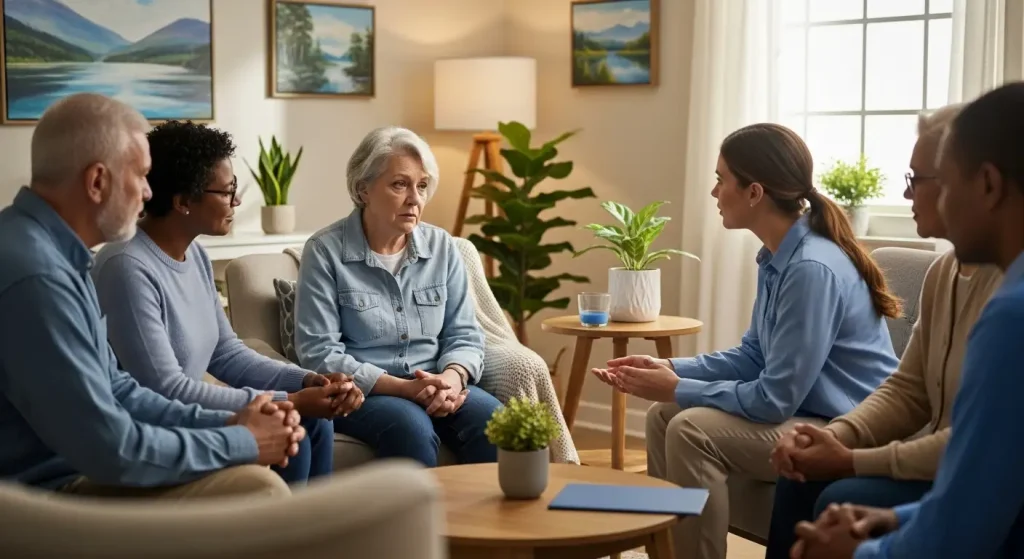
The psychological weight of a cancer diagnosis affects patients and families equally. It cannot be treated with medication alone.
Anxiety and depression are the most common psychological challenges in cancer patients. Untreated, they worsen pain perception, reduce treatment cooperation and accelerate physical decline. Home care teams include psychological care as a formal component, not an afterthought.
Family counseling helps caregivers process their own emotional burden while learning how to support their loved one without burning out. Caregiver guidance on boundaries, rest and practical coping strategies is part of a holistic care plan.
End-of-life emotional support is available for patients and families navigating advanced or terminal illness. This includes structured conversations about preferences, spiritual support coordination, and dignity-centered planning. Families are not left to face these moments without guidance.
What Mistakes Should Families Avoid in Home Cancer Care?
Good intentions without professional oversight can lead to serious harm. These are the most common mistakes families make.
Delaying pain medication because of fear of addiction or sedation. In cancer care, undertreated pain leads to suffering, reduced immunity and faster physical decline. Pain relief is not optional.
Ignoring symptom changes. New or worsening symptoms always mean something. Dismissing them as “normal” delays intervention and can turn a manageable complication into a crisis.
Poor medication tracking. Missing doses, double-dosing, or giving medications at the wrong times is dangerous. Use a structured medication log or ask your home care nurse to manage scheduling.
Lack of professional supervision. Family love is irreplaceable, but it does not replace clinical judgment. Cancer patient support at home requires a licensed team, not just well-meaning relatives following online advice.
Bottom Line: Is Cancer Patient Care at Home in Dubai the Right Choice?
For most patients with advanced cancer, a life-limiting illness, or high treatment burden, home care is not just an option. It is often the better one.
It reduces hospital exposure, preserves dignity, supports the whole family, and provides clinical-grade care in the environment where patients feel most themselves. Dubai has the infrastructure and the licensed providers to make this work at a high standard.
The right time to explore home cancer care is before a crisis makes the decision for you.
Seek professional home care if:
- Your patient is experiencing uncontrolled pain at home
- Hospital visits are becoming physically exhausting
- The patient has expressed a preference to remain at home
- Post-chemotherapy recovery requires skilled nursing support
- You need end-of-life emotional and medical support at home
Contact Vitals Healthcare today to discuss a home cancer care plan for your family. Our team responds within hours.
Frequently Asked Questions (FAQs)
What is palliative care at home for cancer patients?
Palliative home care is professional medical and emotional support focused on symptom relief, comfort, and quality of life. It is available at any cancer stage, not only end of life, and is delivered by licensed nurses, doctors, and allied health professionals.
What is the difference between palliative care and hospice care?
Palliative care supports patients at any point during illness, including alongside curative treatment. Hospice care is comfort care specifically for patients in the final months of life who have stopped curative treatment.
Can cancer pain be managed at home?
Yes. With structured pain assessment, opioid and non-opioid medications under physician supervision, and regular nurse monitoring, effective cancer pain relief at home is achievable for most patients.
What home nursing services are available for cancer patients in Dubai?
Services include skilled nursing, IV therapy, wound care, medication management, oxygen therapy, physiotherapy, nutritional support, and psychological care under DHA-licensed home healthcare providers.
How do I know when to choose home care over hospital care?
Home care is appropriate when the patient is medically stable, prefers a familiar environment, and needs ongoing supportive or palliative care rather than acute hospital intervention.
How can families avoid caregiver burnout during cancer home care?
Use a professional home care team for clinical tasks. Set boundaries, attend family counseling, and accept caregiver guidance from your nursing team. Ask for respite support when needed.