
We’ve all felt it:
You crush a workout, feel unstoppable… Then wake up like a rusty robot.
Or twist something while playing football with friends, and suddenly every move hurts.
Muscle soreness is normal. But that doesn’t make it less annoying when you can’t even sit down without wincing.
The good news? There’s a simple system to cut soreness time in half and get back to training faster.
No more “I’ll just rest for a week.” You can be sore AND still productive.
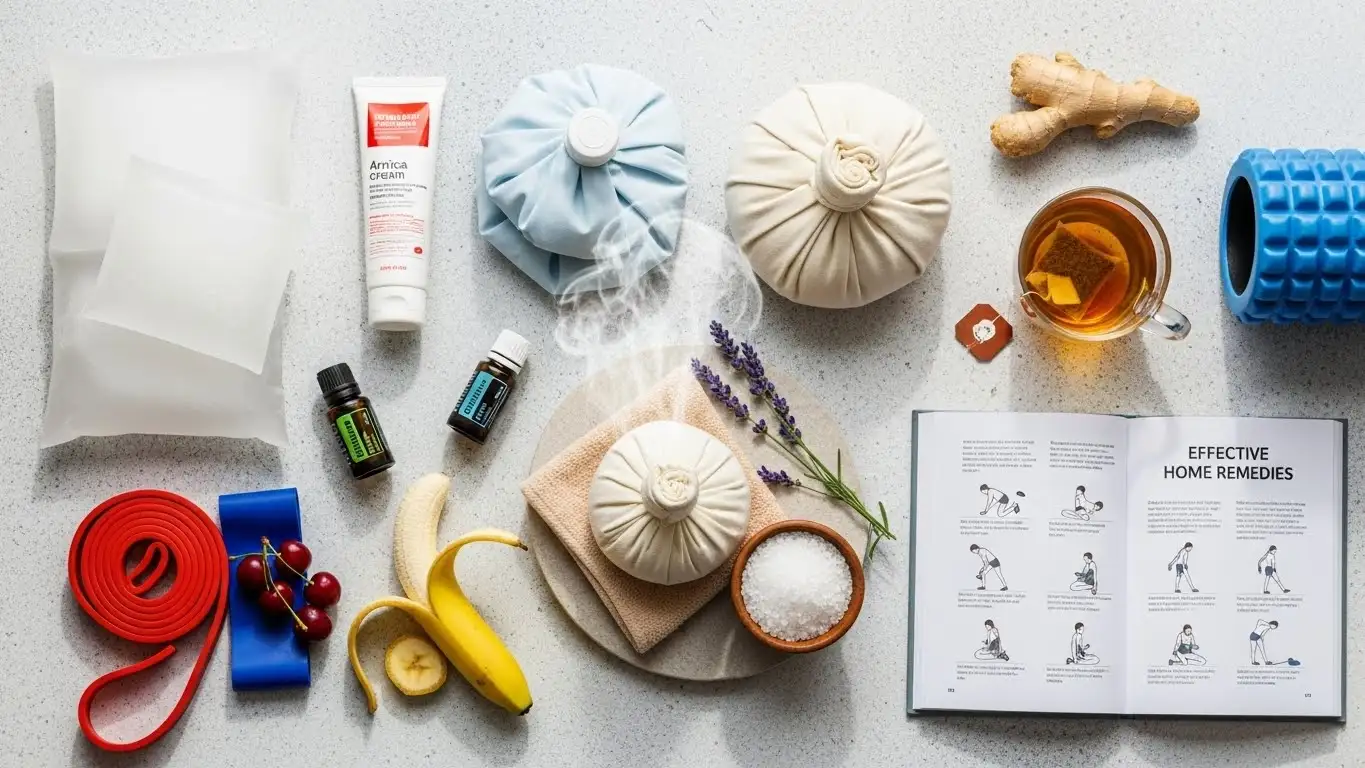
If you’ve strained a muscle and you’re searching for relief right now, you’re in the right place. This guide will walk you through everything you need to know about muscle strain treatment at home, including proven remedies that actually work to help sore muscles after a workout and speed up your recovery.
What Exactly Is a Muscle Strain?
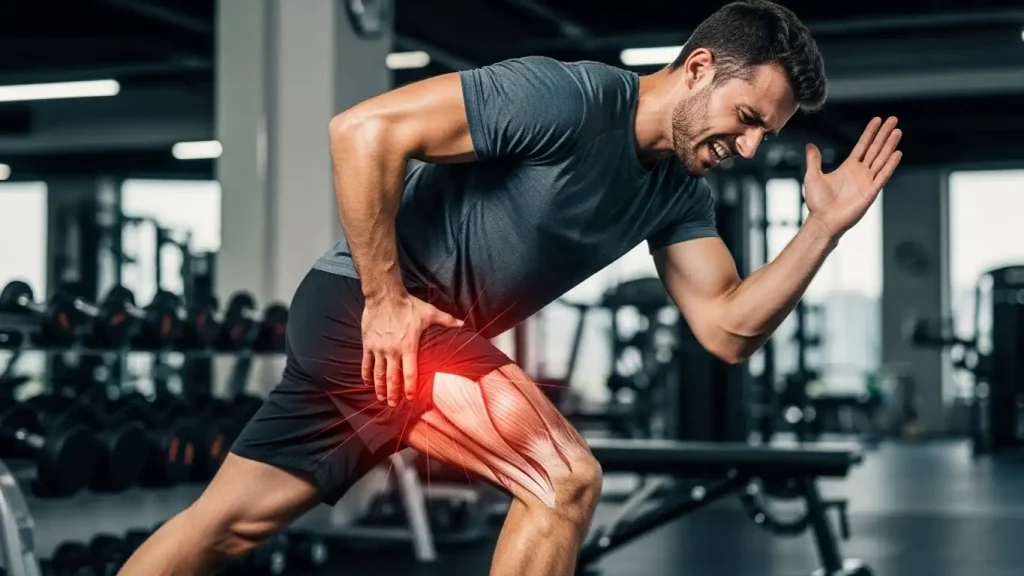
Before we jump into how to get rid of muscle soreness, let’s talk about what’s actually happening in your body. A muscle strain happens when your muscle fibers stretch too far or tear. This can range from mild (just a few fibers damaged) to severe (a complete tear).
People often use different terms interchangeably. You might hear “pulled muscle,” “muscle pull,” or “strained muscle,” but they’re all referring to the same injury. Whether it’s muscle pain after a workout or an acute strain from sports, the underlying issue is damage to the muscle tissue.
Body Pain After Exercise: Is It Good or Bad?
Here’s a question many people ask: Is body pain after exercise good or bad? The answer isn’t black and white.
Normal muscle soreness (called DOMS, Delayed Onset Muscle Soreness) is actually a sign that you’ve challenged your muscles. This typically shows up 24-48 hours after working out and means your muscles are adapting and getting stronger. This soreness after a workout is completely normal and even expected when you’re pushing yourself.
A muscle strain, on the other hand, is different. This is actual damage to the muscle fibers, and the pain usually comes on suddenly during or immediately after your activity. If you’ve strained a muscle, you’ll know it’s sharp, localized pain, not just general soreness.
Common Signs You’ve Pulled a Muscle
How do you know if you’re dealing with regular post-workout muscle soreness or something more serious? Here are the telltale signs of muscle strains:
- Sharp, sudden pain during activity
- Swelling or bruising in the affected area
- Difficulty moving the muscle
- Muscle weakness or inability to use the muscle normally
- A popping or snapping sensation when the injury occurred
- Tenderness when you touch the area
- Stiffness and limited range of motion
If you’re experiencing these symptoms, especially after gym sessions or sports activities, you’re likely dealing with a pulled muscle that needs proper muscle strain management.
How Long Does Muscle Strain Recovery Take?
This is probably one of the first things you’re wondering, especially if you have muscle strain not getting better after a few days. The recovery time depends on the severity:
- Mild strains (Grade 1): Usually heal within 2-3 weeks
- Moderate strains (Grade 2): Can take 4-8 weeks to fully recover
- Severe strains (Grade 3): May require 3 months or longer, sometimes needing medical intervention
The good news? You can significantly speed up muscle strain recovery with the right home remedies and care. Let’s get into exactly how to do that.
7 Home Remedies for Quick Muscle Strain Recovery
Now here’s what you’ve been waiting for: the practical, proven remedies that will help you feel better faster. These methods work whether you’re dealing with sore muscles after gym workouts or recovering from a sports injury.
1. The RICE Method: Your First Line of Defense
When you first strain a muscle, the RICE method is your go-to muscle pull treatment. This stands for Rest, Ice, Compression, and Elevation and it’s backed by decades of sports medicine research.
Rest: Stop the activity that caused the injury. I know you want to push through, but continuing to use the injured muscle will only make things worse and delay your recovery. Give your body the break it needs to start healing.
Ice: Apply ice to the affected area for 15-20 minutes every 2-3 hours during the first 48-72 hours. This is one of the best ways to relieve muscle pain after a workout because it reduces inflammation and numbs the area. Wrap ice in a towel; never apply it directly to your skin.
Compression: Use an elastic bandage to wrap the injured area. This helps reduce swelling and gives the muscle support. Make sure it’s firm but not so tight that it stops blood flow.
Elevation: Try to keep the injured muscle raised above heart level when you can. This helps swelling go down by letting fluids move away from the injured area.
2. Heat Therapy: For Faster Healing After the First Phase
After the first 48-72 hours, switch from ice to heat.
While ice helps with acute inflammation, heat therapy is how to heal muscle strain faster during the recovery phase.
Heat increases blood flow to the area, which brings oxygen and nutrients that your muscles need to repair themselves. It also helps relax tight muscles and reduce stiffness.
How to use heat therapy:
- Apply a heating pad or warm compress for 15-20 minutes at a time
- Take warm baths with Epsom salts (more on this below).
- Use a hot water bottle wrapped in a towel.
- Try heat patches that you can wear under clothing.
Many people find that alternating between heat and ice (called contrast therapy) works wonders for how to relieve sore muscles fast. Try 3-4 minutes of heat followed by 1 minute of cold, repeating 3-4 times.
3. Epsom Salt Baths: An Old Remedy That Actually Works
If you’re looking for how to soothe sore muscles after a workout, an Epsom salt bath might be your new best friend. Epsom salt is actually magnesium sulfate, and when you soak in it, your body absorbs the magnesium through your skin.
Magnesium is crucial for muscle function and recovery. It helps reduce inflammation, relax muscles, and even ease pain. This is especially helpful for overall soreness after a workout or when you have multiple areas that are sore.
How to take an Epsom salt bath:
- Fill your bathtub with warm (not hot) water
- Add 2 cups of Epsom salt and stir to dissolve
- Soak for 15-20 minutes
- Do this 2-3 times per week during recovery
Many people report that this simple remedy helps them get rid of sore muscles overnight or at least wake up feeling significantly better.
4. Gentle Stretching and Movement: Keep It Light
Here’s something that might surprise you: complete rest isn’t always the best answer for how to speed up pulled muscle recovery. After the initial rest period, gentle movement and stretching can actually help.
Light stretching increases blood flow, prevents stiffness, and helps maintain flexibility. The key word here is “gentle”. You’re not trying to push through pain or stretch intensely.
Stretching guidelines for muscle strains:
- Wait at least 48 hours after the injury before stretching
- Move slowly and stop if you feel sharp pain
- Hold stretches for 15-30 seconds without bouncing
- Stretch 2-3 times daily
- Focus on the injured muscle and the surrounding areas
For example, if you’re dealing with arm muscle pain after a workout, gentle arm circles and light stretching of the biceps and triceps can help. The movement promotes healing without causing further damage.
5. Over-the-Counter Pain Relief: Choose Wisely
When people ask about the best pain reliever for sore muscles after a workout, the answer usually comes down to two options: ibuprofen (like Advil) or acetaminophen (like Tylenol).
Ibuprofen is an anti-inflammatory, which means it reduces both pain and inflammation. This makes it particularly effective for muscle strains because inflammation is a big part of the problem.
Acetaminophen helps with pain but doesn’t reduce inflammation. It’s a good option if you can’t take NSAIDs (non-steroidal anti-inflammatory drugs) for medical reasons.
Important notes:
- Always follow the dosage instructions on the package.
- Don’t take these medications for extended periods without consulting a doctor.
- Consider taking them before bed to help you sleep better during recovery.
- Combine with other remedies for the best results.
6. Massage Therapy: Professional or DIY
Massage is one of the most effective ways to relieve sore muscles after a workout. It increases circulation, breaks up scar tissue, and helps flush out metabolic waste products that build up in injured muscles.
You have two options here:
Professional massage: A sports massage therapist knows exactly how to treat muscle strains. They can use techniques like deep tissue massage, trigger point therapy, and myofascial release to speed up recovery. This is especially helpful if you have muscle strain not getting better with other methods.
Self-massage: You can also massage yourself using your hands, a foam roller, or massage tools. For most people dealing with sore muscles after gym sessions, this is more practical and affordable.
Self-massage tips:
- Use gentle to moderate pressure; it shouldn’t be excruciating
- Massage toward the heart to promote blood flow
- Use massage oil or lotion to reduce friction
- Spend 5-10 minutes on the affected area
- Do this once or twice daily
If you want to ease arm muscle pain after a workout, gently massage your arm from the wrist up toward the shoulder using long, smooth strokes.
7. Proper Nutrition and Hydration: Heal From the Inside Out
This one often gets overlooked, but what you eat and drink plays a huge role in how to heal muscle strains fast. Your body needs specific nutrients to repair damaged tissue.
Protein: Needed to repair muscles. Choose lean foods like chicken, fish, eggs, beans, and Greek yogurt. Try to eat some protein with every meal.
Anti-inflammatory foods: Foods like salmon, mackerel, berries, leafy greens, nuts, and turmeric help reduce inflammation naturally.
Vitamin C: Helps your body make collagen, which is important for healing muscles. Get it from citrus fruits, bell peppers, and strawberries.
Magnesium: We mentioned this with Epsom salts, but eating magnesium-rich foods (dark chocolate, avocados, nuts) also helps muscle recovery.
Hydration: Drink plenty of water. Dehydrated muscles are more prone to injury and recover more slowly. Aim for at least 8-10 glasses daily.
How to Reduce Soreness After Workout: Prevention Tips
Once you’ve recovered from your current muscle strain, you’ll want to prevent it from happening again. Here’s how to reduce pain after a workout and avoid future injuries:
Warm up properly: Spend 5-10 minutes doing light cardio and dynamic stretching before any workout. This prepares your muscles for the work ahead.
Progress gradually: Don’t increase your workout intensity or weight too quickly. The general rule is to increase by no more than 10% per week.
Cool down correctly: After working out, do 5-10 minutes of light activity and static stretching. This helps your muscles transition back to their resting state.
Stay hydrated: Drink water before, during, and after exercise. Dehydrated muscles are much more likely to strain.
Listen to your body: If something doesn’t feel right, stop. Pushing through pain leads to injuries.
Get enough sleep: Your muscles repair themselves during sleep. Aim for 7-9 hours per night.
Use proper form: Whether you’re lifting weights or playing sports, correct technique prevents unnecessary strain on your muscles.
What to Do When Muscle Strain Treatment at Home Isn’t Working
Sometimes, despite your best efforts with musculoskeletal strain treatment at home, the injury doesn’t improve. Here are signs you should see a healthcare provider:
- Severe pain that doesn’t improve after a week
- Significant swelling or bruising
- You heard a “pop” when the injury occurred
- You can’t walk or use the affected limb normally
- The muscle looks deformed, or you see a gap in the muscle
- You have numbness or tingling
- Home remedies haven’t helped after 2-3 weeks
These symptoms might indicate a more serious injury that needs professional muscle strain treatment, possibly including physical therapy or other interventions.
Special Considerations for Different Muscle Groups
Different muscles may need slightly different approaches. Here’s a quick guide:
Leg muscles: These often strain during running or sports. Elevation is especially important here. When sitting or lying down, prop your leg up on pillows.
Back muscles: Be extra careful with back strains. Avoid activities that involve twisting or heavy lifting. A firm mattress can help during recovery.
Shoulder and arm muscles: These benefit greatly from gentle range-of-motion exercises once the acute phase passes. Don’t keep them completely immobile for too long.
Neck muscles: Heat therapy works particularly well for neck strains. Try a heating pad while sitting in a comfortable position.
The Mental Side of Recovery

Dealing with a muscle strain can be frustrating, especially if you’re an active person who’s used to working out regularly. It’s normal to feel impatient or even anxious about losing fitness.
Remember that rest is not the same as laziness; it’s an active part of your recovery process. Your body is working hard to heal even when you’re resting. Pushing too hard, too soon, will only set you back further.
Use this time to focus on:
- Other forms of gentle exercise that don’t aggravate the injury
- Learning more about proper form and technique
- Mental training and visualization
- Catching up on sleep
- Planning your return to activity
Creating Your Personal Recovery Plan
Now that you know all these remedies, here’s how to put them together into a comprehensive muscle strain management plan:
Days 1-3 (Acute Phase):
- Use the RICE method religiously
- Take anti-inflammatory medication as needed
- Rest completely from the activity that caused the injury
- Focus on hydration and anti-inflammatory foods
Days 4-7:
- Continue ice or switch to heat based on how you feel
- Begin very gentle stretching
- Continue medication if needed
- Take Epsom salt baths
- Light massage around (not directly on) the injury
Week 2-3:
- Increase gentle movement and stretching
- Use heat therapy before activity
- Consider a professional massage
- Begin very light activity (50% or less of normal intensity)
- Continue an anti-inflammatory diet
Week 3+:
- Gradually increase activity level
- Continue stretching and strengthening exercises
- Monitor for any return of symptoms
- Maintain preventive measures
Common Mistakes to Avoid During Recovery
Even with the best intentions, people make mistakes that slow down their recovery. Here’s what NOT to do:
Don’t rush back too soon: This is the number one mistake. Just because the pain has decreased doesn’t mean you’re fully healed. Returning to full activity too early often leads to re-injury.
Don’t skip the rehab phase: Gentle exercises and stretches aren’t optional; they’re crucial for restoring full function and preventing future injuries.
Don’t ignore pain: Some discomfort during recovery is normal, but sharp pain is your body’s warning signal. Listen to it.
Don’t rely only on medication: Pain relievers help manage symptoms, but don’t speed healing. They should be part of a comprehensive approach.
Don’t stay completely immobile: While rest is important initially, too much immobility can lead to stiffness and slower recovery.
When You Can Return to Exercise
You’re probably wondering when you can get back to the gym or sports. Here are the green lights to watch for:
- No pain during normal daily activities
- Full range of motion in the affected muscle
- Equal strength compared to the uninjured side (or at least 80-90%)
- No swelling or tenderness to touch
- You’ve completed at least 2 weeks of gentle rehabilitation exercises
Even then, return gradually. Start at 50% of your previous intensity and increase slowly over several weeks.
Frequently Asked Questions About Muscle Strain Recovery
1. How long does it take for a pulled muscle to heal?
A mild muscle strain typically heals in 2-3 weeks, while moderate strains take 4-8 weeks. Severe muscle tears may need 3 months or longer to fully recover. Using the RICE method (Rest, Ice, Compression, Elevation) in the first 48-72 hours can significantly speed up recovery time. Proper rest, gentle stretching after the acute phase, and good nutrition help muscles heal faster.
2. What is the best pain reliever for sore muscles after a workout?
Ibuprofen (Advil, Motrin) is one of the most effective options for sore muscles because it helps reduce both pain and swelling. You can take 200–400 mg every 4–6 hours, but always follow the instructions on the package. If you can’t take NSAIDs, acetaminophen (Tylenol) is a good alternative for pain relief.
For the best results, use the medicine along with ice therapy, Epsom salt baths, and good hydration.
3. How can I get rid of sore muscles overnight?
To reduce muscle soreness overnight, take a 20-minute Epsom salt bath before bed (2 cups of Epsom salt in warm water), apply heat therapy to the affected area, take an anti-inflammatory like ibuprofen, do gentle stretching for 5-10 minutes, and sleep with the injured area elevated on pillows. Staying well-hydrated and eating protein-rich foods also helps muscles recover while you sleep.
4. Is body pain after exercise good or bad?
Normal muscle soreness (DOMS) 24-48 hours after exercise is good; it means your muscles are adapting and getting stronger. However, sharp pain during or immediately after exercise is bad and indicates a muscle strain or injury. Good soreness is dull and spreads across the muscle; bad pain is sharp, localized, and may include swelling or limited movement. If pain prevents normal activities, you need rest and treatment.
5. How do you speed up muscle strain recovery at home?
Speed up recovery by using the RICE method for the first 72 hours, then switching to heat therapy. Take Epsom salt baths 2-3 times weekly, do gentle stretching after 48 hours, massage the area daily, eat protein-rich and anti-inflammatory foods (fish, berries, leafy greens), stay hydrated with 8-10 glasses of water daily, and get 7-9 hours of sleep. Avoid returning to intense activity too soon. Gradual progression prevents re-injury.
Final Thoughts: Your Path to Recovery
Dealing with a pulled muscle or muscle strain is frustrating, but with the right approach, you can speed up your recovery significantly. The seven home remedies we’ve covered, RICE, heat therapy, Epsom salt baths, gentle stretching, pain relief, massage, and proper nutrition, work together to help your body heal faster.
Remember, everyone’s body is different. What helps your friend may not work the same way for you. Watch how your own body reacts and adjust your routine as needed. The goal isn’t just to return to your activities fast; it’s to heal the right way so you can perform your best without getting injured again.
If you’re currently dealing with muscle pain after a workout or a sports injury, start implementing these remedies today. Be patient with yourself and stick to your recovery routine. Don’t hesitate to get professional help if you need it. Your muscles are great at healing. Give them the right support, and you’ll be back to full strength sooner than you think.
For personalized advice on muscle strain treatment or if your symptoms persist, consider consulting with the healthcare professionals at Vitals Healthcare UAE. Sometimes professional guidance can make all the difference in achieving a complete and lasting recovery.
Have you tried any of these remedies for your muscle strain? Remember, while these home treatments are effective for most cases, always consult with a healthcare provider if you’re dealing with severe pain or if your condition isn’t improving.