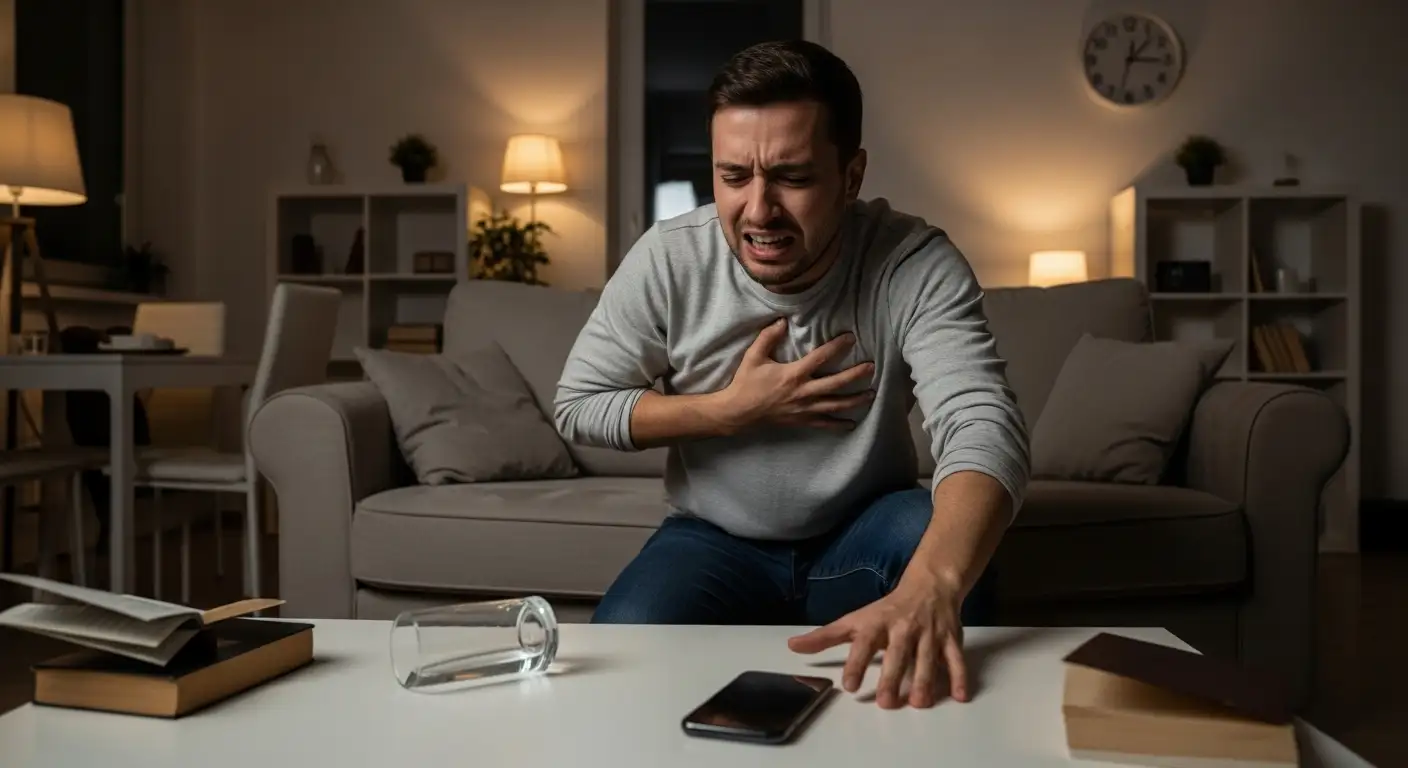


When facing handle a medical emergency alone, immediately call emergency services (999 in the UAE), unlock your door if possible, and lie down in a safe position while waiting for help. Acting within the first few minutes often determines survival outcomes when experiencing heart attacks, strokes, or severe allergic reactions without anyone nearby to assist.
Elderly individuals, chronic disease patients, and anyone living alone face highest risk of medical emergencies without immediate support. Understanding proper emergency response steps, recognizing life-threatening symptoms and preparing in advance saves lives when seconds count, and no one else is present to help.
What Should You Do First in a Medical Emergency When Alone?
Stay calm and focus on three immediate actions: assess your symptoms, call emergency services and position yourself safely.
Panic wastes critical seconds and impairs decision-making when you need clear thinking most. Take three deep breaths to reduce panic response, then systematically evaluate what is happening to your body. This mental reset allows rational action instead of frozen fear.
Assess your symptoms quickly by asking yourself: Can I breathe? Is there chest pain? Can I move my arms and legs? Am I bleeding? Is my thinking clear? These five questions identify life-threatening emergencies requiring immediate professional help versus less urgent situations you might manage with advice.
Call Emergency Services Immediately:
Dial 999 in the UAE without delay if symptoms suggest serious conditions. Never waste time calling family first or searching the internet for symptom explanations. Emergency dispatchers provide life-saving instructions while ambulances are dispatched, making that single call your most critical action.
When calling, provide your exact address immediately, then describe symptoms clearly. Stay on the line following dispatcher instructions. They guide you through emergency procedures until paramedics arrive, giving professional support even when alone.
Position Yourself Safely:
After calling emergency services, position yourself where paramedics can easily find you. Unlock your front door if possible so responders can enter without breaking in. Lie down near the entrance or in a visible location to prevent injury if you lose consciousness while waiting.
For comprehensive medical support and guidance, Vitals Healthcare offers 24/7 doctor on call services across Dubai, providing immediate medical assistance when emergencies strike.
When Should You Call Emergency Services Immediately?

Call 999 immediately for chest pain, difficulty breathing, stroke symptoms, severe bleeding, or loss of consciousness. These conditions kill within minutes without emergency intervention.
Chest pain, particularly crushing pressure, pain radiating to arms or jaw, or pain accompanied by sweating and nausea, indicates possible heart attack. Every minute without treatment causes permanent heart muscle death. Never drive yourself to the hospital with chest pain; call emergency services for proper cardiac monitoring during transport.
Difficulty breathing where you cannot speak full sentences, lips or fingernails turning blue, or gasping for air signal a respiratory emergency requiring urgent intervention. Airway obstruction, severe asthma attacks, or heart failure can kill within minutes if oxygen deprivation continues.
Stroke Symptoms Require Immediate Action:
Use the FAST test to identify stroke: Face drooping on one side, Arm weakness or numbness, Speech difficulty or slurred words, Time to call 999 immediately. Stroke treatment is time-critical, with treatments only effective within 3-4 hours of symptom onset. Every minute delayed destroys more brain cells, causing permanent disability or death.
Additional stroke warning signs include sudden severe headache, vision loss in one or both eyes, dizziness with inability to walk, or sudden confusion. Any combination of these symptoms demands an immediate emergency response.
Severe Bleeding:
Bleeding that won’t stop after 10 minutes of direct pressure, blood spurting from wounds, or soaking through multiple bandages within minutes indicates arterial damage requiring emergency surgical repair. Apply continuous pressure while waiting for an ambulance, but call immediately when bleeding is uncontrollable.
Loss of Consciousness:
If you feel yourself losing consciousness, call emergency services immediately before you pass out. Even brief fainting can indicate serious heart problems, severe blood loss, or stroke. Lying down before losing consciousness prevents injury from falling, but cannot substitute for emergency medical evaluation.
How to Handle Specific Emergencies When You’re Alone
Heart Attack Symptoms
Heart attack symptoms include severe chest pressure or squeezing lasting more than a few minutes, pain radiating to shoulders, arms, back, neck, jaw, or stomach, shortness of breath, cold sweats, nausea, or lightheadedness. Women often experience atypical symptoms like unusual fatigue, back pain, or nausea without chest pain.
Immediate Actions:
Call 999 immediately, stating “I think I’m having a heart attack.” Chew one adult aspirin (300mg) if available and not allergic, which helps prevent blood clot growth. Unlock your door, then lie down in a recovery position to maintain blood flow to the heart and brain.
Stroke Warning Signs
Stroke symptoms appear suddenly: one-sided face drooping, arm or leg weakness or numbness, speech difficulties, vision loss, severe headache, dizziness, or loss of coordination. Any single symptom requires immediate emergency response as strokes often worsen rapidly.
Critical Response Steps:
Call 999 immediately, mentioning suspected stroke. Note the exact time symptoms began as treatment eligibility depends on how long since onset. Lie down on your side to prevent choking if vomiting occurs. Do not eat, drink, or take medications except as directed by the emergency dispatcher.
Time is brain tissue in stroke situations. Each minute without treatment causes permanent brain damage. Treatment within 3 hours prevents most disability, making immediate response crucial.
Severe Allergic Reaction
Severe allergic reactions (anaphylaxis) cause throat swelling, difficulty breathing, rapid pulse, dizziness, or full-body rash and hives. Reactions progress within minutes from mild symptoms to complete airway closure, causing death.
Emergency Response:
If you have an epinephrine auto-injector (EpiPen), use it immediately in the outer thigh muscle, then call 999. Call emergency services even if symptoms improve after epinephrine as second reactions often occur 30-60 minutes later, requiring additional treatment.
Without epinephrine, call 999 immediately, describing an allergic reaction. Follow dispatcher instructions while waiting. Lie down with legs elevated to maintain blood pressure unless breathing difficulty worsens in that position.
Heavy Bleeding
Severe bleeding from deep cuts, puncture wounds, or traumatic injuries requires immediate pressure and emergency response. Arterial bleeding spurts bright red blood with each heartbeat and can cause death within minutes.
Bleeding Control:
Call 999 first, then apply direct pressure using clean cloth, clothing, or your bare hands if nothing else is available. Press firmly without lifting to check if bleeding has stopped. Add more layers on top if blood soaks through rather than removing pressure.
Elevate the wounded area above heart level while maintaining pressure. If bleeding is from the arm or leg and direct pressure fails, apply a tourniquet between the injury and the heart as a last resort, noting the exact time applied.
Sudden Fainting
Fainting when alone risks head injury from falling. If you feel faint with dizziness, tunnel vision, or weakness, immediately lie down flat wherever you are to prevent injury and maintain blood flow to the brain.
After Fainting:
If you regain consciousness after fainting, call 999 or someone for help. Sudden fainting can indicate serious heart rhythm problems, severe bleeding, or stroke. Medical evaluation is essential even if you feel recovered, as the underlying cause may be life-threatening.
Stay lying down until help arrives. Do not attempt standing immediately, as you may faint again. If alone and no one responds to calls, crawl to the phone or door rather than standing and risking another fall.
Medical emergencies require immediate professional response. For non-emergency medical support and chronic condition monitoring, explore Vitals Healthcare home healthcare services, providing comprehensive care across Dubai.
What If You Can’t Reach Your Phone in Medical emergency?
Modern technology provides multiple emergency contact methods beyond traditional phones when you cannot physically reach devices during medical crises.
- Voice Assistants: Smart speakers like Alexa, Google Home, or Siri can call emergency services using voice commands (e.g., “Alexa, call emergency services” or “Hey Google, call 999”). Set them up in advance and test the commands.
- Emergency SOS Features: Smartphones allow quick activation by rapidly pressing the power/side button (5 times on iPhone). Apple Watch and similar smartwatches can automatically detect falls and call emergency services if you don’t respond.
- Medical Alert Devices: Wearable buttons let you summon help with one press. These systems provide 24/7 monitoring, fall detection, GPS tracking, and two-way communication, ideal for people living alone or at higher risk.
These options can be life-saving when you’re unable to physically reach your phone. Setting them up beforehand is highly recommended.
For elderly individuals requiring ongoing medical monitoring, Vitals Healthcare provides specialized elderly care services, including regular check-ins and emergency response coordination.
How to Prepare for Medical Emergencies in Advance
Emergency Contact List: Create a physical list with emergency numbers (999), family, friends, neighbors, doctor, and pharmacy. Post it near phones and the main entrance. Update it regularly. Add “ICE” (In Case of Emergency) contacts in your phone so they’re accessible even from the locked screen.
Medical ID: Wear medical alert jewelry or set up your phone’s Medical ID. Include chronic conditions, allergies, medications, blood type, and emergency contacts. Make sure it’s visible on the locked screen and keep it updated.
First Aid Kit: Keep a well-stocked kit with bandages, antiseptic wipes, pain relievers, gloves, scissors, and tweezers. Store it in an easy-to-reach place. Add your personal medications, prescription copies, medication list, and emergency numbers inside the kit.
Medication Management: Use a weekly pill organizer and maintain an updated list of all medicines with dosages and doctors. Set phone reminders or use medication tracking apps to avoid missed doses.
Emergency Plan: Write a simple plan covering what to do for different symptoms, when to call 999, how to use alert devices, and where documents are kept. Share the plan with family and neighbors, and practice it regularly (test devices, check contacts, and ensure easy access).
Chronic condition management reduces emergency risks. Contact Vitals Healthcare for regular home doctor visits monitoring health conditions and preventing crises before they develop across all Dubai areas.
How Home Healthcare or Doctor-On-Call Services Can Help
Home healthcare services provide critical support, reducing emergency risks through regular monitoring, early problem detection, and immediate medical guidance when concerning symptoms appear.
Faster Response:
Doctor-on-call services reach you within 60-90 minutes when medical situations arise that concern you but don’t yet warrant emergency services. This fills a crucial gap between feeling unwell and actual emergencies, catching problems early before they become critical.
Regular Monitoring:
Scheduled home doctor visits for chronic condition management detect health changes before emergencies develop. Regular blood pressure checks, glucose monitoring, medication adjustments, and symptom assessments prevent crises through proactive intervention.
Professional monitoring catches subtle warning signs that patients might dismiss or not recognize as significant. Early intervention at this stage prevents many emergencies through simple treatment adjustments or lifestyle modifications.
Chronic Condition Management:
Patients with heart disease, diabetes, COPD, or other chronic conditions face elevated emergency risk. Professional home healthcare manages these conditions optimally, reducing complication rates and emergency events significantly.
Medication management, diet counseling, exercise guidance, and symptom monitoring by qualified healthcare professionals keeps chronic diseases stable. Studies show comprehensive home healthcare reduces emergency room visits by 40-60% and hospitalizations by 30-50% in chronic disease patients.
For comprehensive chronic disease support, Vitals Healthcare offers specialized chronic care management programs coordinating doctors, nurses, and support services.
Common Mistakes People Make During Emergencies
Ignoring Early Symptoms:
Many people dismiss early warning signs hoping symptoms will resolve on their own. Mild chest discomfort, slight speech slurring, or minor breathing difficulty can be early signs of life-threatening conditions requiring immediate attention.
Waiting Too Long:
People delay calling emergency services hoping to avoid false alarms or feeling embarrassed about overreacting. In medical emergencies, minutes matter. Calling too early causes no harm; calling too late can be fatal.
Trying Home Remedies:
During serious symptoms, trying home treatments or searching internet for solutions wastes critical minutes. Heart attacks, strokes, and severe allergic reactions require immediate medical intervention that no home remedy can provide.
Panic:
While understandable, panic impairs thinking and action during emergencies. Panicked people freeze, forget emergency procedures, or make poor decisions worsening outcomes.
Combat panic through preparation. Knowing exactly what to do before emergencies occur creates automatic responses, overriding panic. Practice emergency procedures periodically to build confidence and muscle memory.
Not Following Up:
After surviving emergencies, many people skip recommended follow-up care or medication adjustments. This increases risks of repeat events. Complete all recommended follow-up appointments, take prescribed medications consistently, and implement lifestyle changes doctors recommend.
Final Thoughts on Handling Emergencies Alone
Medical emergencies, when alone, test your preparedness, knowledge, and ability to act decisively under pressure. The difference between life and death often comes down to recognizing symptoms quickly, calling for help immediately, and taking appropriate interim actions while waiting for professional care.
Living alone or being alone during medical crises is increasingly common, making emergency preparedness essential rather than optional. Technology provides more tools than ever for summoning help, from smartphones to smartwatches to medical alert systems, removing excuses for not having emergency response capabilities.
Preparation saves lives. Creating emergency plans, wearing medical identification, programming emergency contacts, and practicing response procedures transforms panic-filled emergencies into manageable situations where you know exactly what to do despite fear.
Reduce Emergency Risks with Professional Home Healthcare
Being alone doesn’t mean being without medical support. Vitals Healthcare provides comprehensive home medical services reducing emergency risks through regular monitoring, immediate doctor availability and 24/7 professional guidance across Dubai.
Get Protected with Home Healthcare:
Schedule Regular Home Doctor Visits: Book Doctor on Call
- Chronic condition monitoring
- Early problem detection
- Medication management
- 24/7 emergency guidance
- Immediate medical guidance
- Same-day home visits available
- All Dubai areas covered
Don’t face medical challenges alone. Professional support is available.
Get Home Healthcare Support | Book Doctor Visit
FAQs
1. What is the first thing to do in a medical emergency when alone?
Stay calm, assess symptoms, and call emergency services immediately if symptoms are severe.
2. Should I drive myself to the hospital?
No. In serious emergencies, such as a heart attack or stroke, call emergency services instead.
3. How can elderly people stay safe living alone?
Medical alert systems, regular health monitoring, and emergency planning improve safety.
4. What are stroke warning signs?
Face drooping, arm weakness, speech difficulty, call emergency services immediately.
5. How can I prepare for emergencies if I live alone?
Keep emergency contacts on hand, wear a medical ID, maintain a first-aid kit, and create an emergency plan.