
You wake in Jumeirah with a high fever, aching muscles, a dry cough, and a child coughing through the night. The immediate question is simple but important: is this an ordinary cold, or does it need prompt medical attention? For علاج انفلونزا A, the answer depends less on home remedies and more on when symptoms began, how severe they are, and whether the patient is in a high-risk group.
UAE guidance doesn't treat influenza as a one-size-fits-all illness. A healthy adult with mild symptoms may need symptomatic care and isolation, while a pregnant woman, young child, older adult, or person with chronic disease may need early antiviral treatment, sometimes before a test result is available. This guide gives you a practical Dubai-focused pathway, including when a doctor on call is more sensible than a clinic visit.
Table of Contents
- What Influenza A Means and Why the Subtype Matters
- Recognizing Symptoms and Mapping the First 48 Hours at Home
- How Antiviral Medicines Fit Into the Treatment Plan
- Why High-Risk Patients in the UAE Need a Different Approach
- Red Flags That Mean Call a Doctor or Go to the Hospital
- Preventing the Spread at Home, Work, and While Travelling
- Recovery Checklist and When a Home Doctor Visit Makes Sense
What Influenza A Means and Why the Subtype Matters
Influenza A is a respiratory virus. Its surface proteins, hemagglutinin and neuraminidase, help distinguish its subtypes and influence how the virus behaves during seasonal circulation. That classification matters because antiviral medicines are designed to act on specific viral processes, rather than functioning like broad cold remedies.
Influenza A commonly begins abruptly. Fever, chills, a dry cough, headache, marked exhaustion, sore throat, and muscle aches can appear within a short period. A common cold is more likely to build gradually, with milder symptoms that may allow you to continue normal activities. Influenza B can produce a similar illness, while influenza C is generally associated with a milder respiratory infection.
A rapid test can support the diagnosis, but a home result shouldn't be the only factor guiding treatment. The UAE Ministry of Health and Prevention identifies real-time PCR as the gold-standard test for influenza diagnosis, while treatment decisions in severe, progressive, hospitalised, or high-risk cases shouldn't wait for confirmation. Dubai seasonal influenza guidance sets out this risk-based approach.
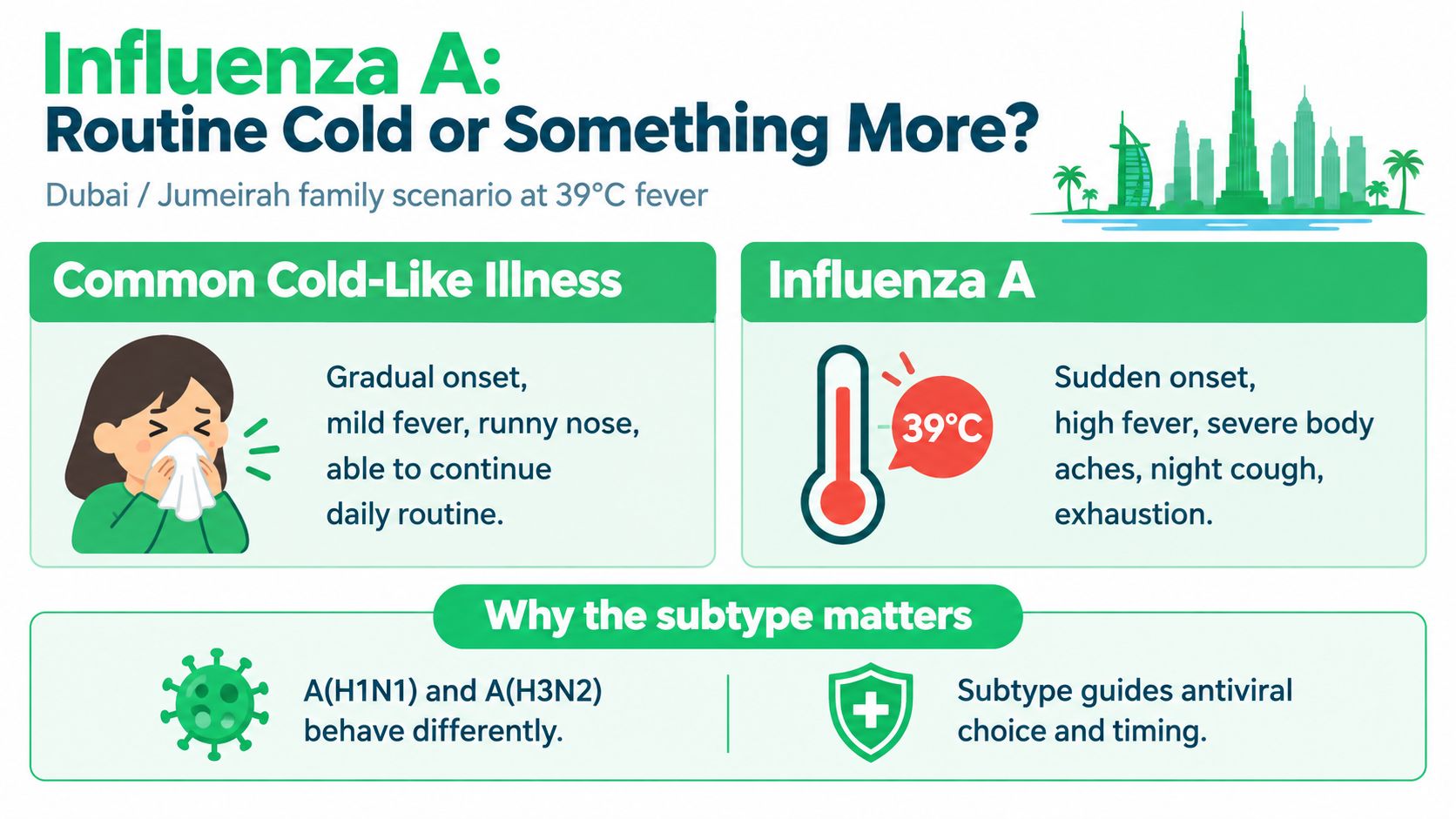
The practical point is straightforward. Identifying suspected influenza A changes the urgency of assessment and the antiviral pathway, especially when symptoms are severe or the patient has a higher risk of complications. If you're in Dubai and need assessment without exposing a waiting room to infection, you can review influenza care with a doctor on call in Nad Al Shiba.
Recognizing Symptoms and Mapping the First 48 Hours at Home
Start the clock when the first meaningful symptom appears, not when the illness becomes unbearable. A sudden fever, chills, dry cough, sore throat, severe muscle pain, frontal headache, and exhaustion that keeps you on the sofa are more concerning for influenza than a slowly developing runny nose.
Don't use an exact fever reading as the only test. A person can have serious influenza without a dramatic temperature, particularly an older adult or someone with a weakened immune system. What matters is the overall pattern, breathing, hydration, alertness, and the patient's risk profile.
A practical home sequence
At symptom onset, record the time. Write down the first fever, cough, body aches, or sudden fatigue. This helps a clinician decide whether antiviral treatment may still be useful.
During the first several hours, prioritise fluids. Offer frequent small drinks if nausea is present. Water, oral rehydration solutions, clear soups, and other tolerated fluids are reasonable choices. Don't force large amounts at once.
Control discomfort safely. Adults may use paracetamol or ibuprofen only according to the product label and their clinician's advice. Children need weight-based dosing, so don't estimate a dose from an adult packet or alternate medicines casually. Check combination cold products carefully because some already contain paracetamol.
Make the room tolerable. Air conditioning can make the room feel dry. Use gentle humidification if it helps, keep the room comfortably ventilated, and avoid smoke, strong fragrances, and excessive heat.
Stay home and limit contact. Dubai guidance supports remaining at home to reduce transmission. Avoid close contact until the fever has resolved and you've met the return-to-activity advice given by a clinician.
| Symptom | Influenza A | Common Cold |
|---|---|---|
| Onset | Often abrupt | Usually gradual |
| Fever | Can be prominent | Often absent or mild |
| Muscle aches | Frequently marked | Usually mild |
| Cough | Often dry and persistent | Usually milder |
| Energy | Exhaustion is common | Daily activity may remain possible |
| Complication concern | Higher in vulnerable patients | Usually lower |
At hour 24, check whether fluids are staying down, urination is continuing, breathing is comfortable, and fever responds to correctly used medicine. At hour 48, contact a clinician if symptoms are severe, worsening, or affecting someone at higher risk. For help judging whether fever or respiratory symptoms require a home assessment, use this guide on when to call a home doctor instead of visiting a clinic.
How Antiviral Medicines Fit Into the Treatment Plan
Antivirals aren't automatic for every person with influenza A. UAE guidance separates uncomplicated illness in people outside high-risk groups from severe, progressive, hospitalised, or high-risk illness. For the first group, symptomatic treatment may be sufficient. For the second, early antiviral treatment can be clinically important.
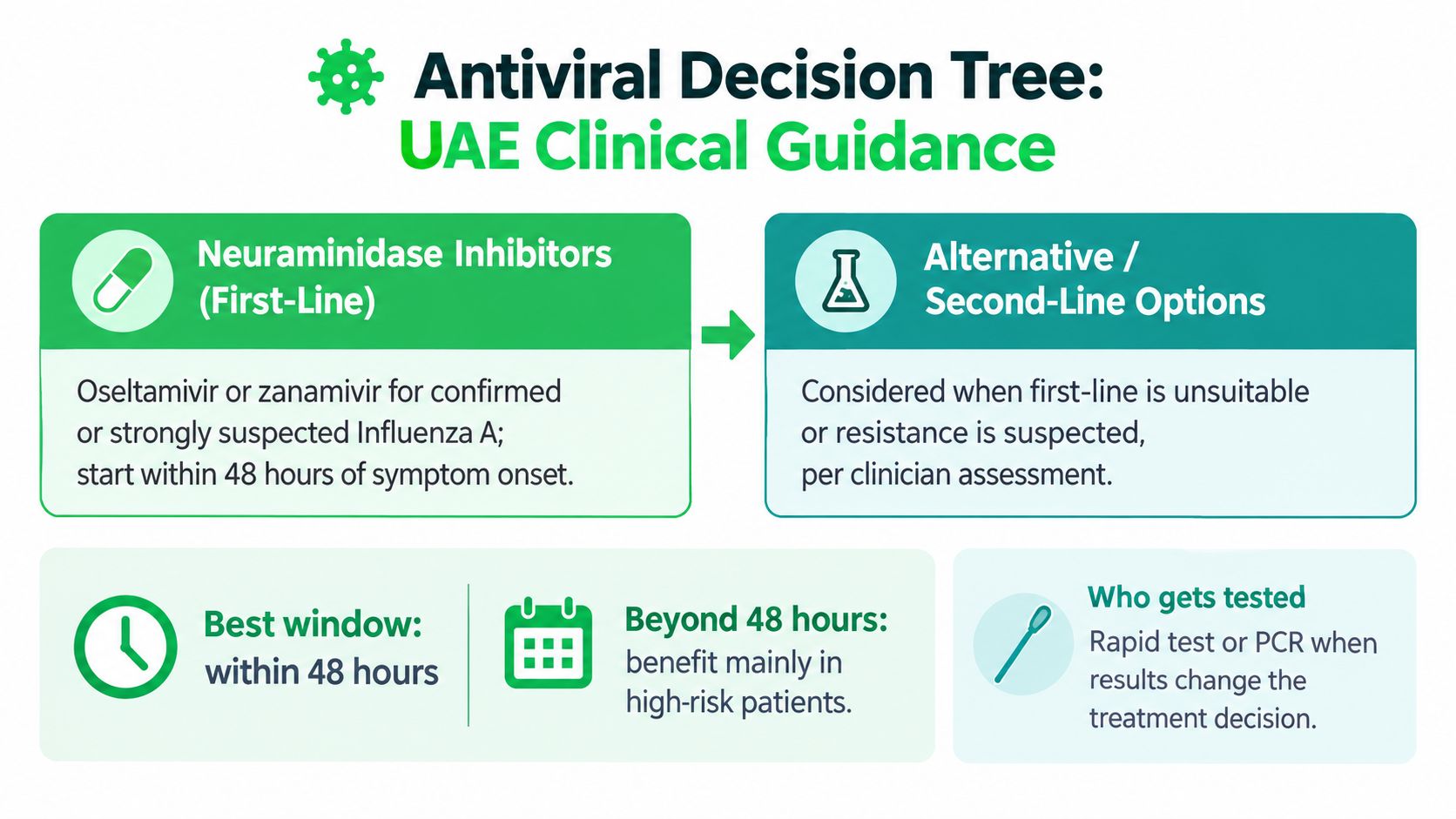
Oseltamivir is the main oral option discussed in Dubai guidance. The standard adult regimen listed in the Dubai standards is 75 mg twice daily for 5 days, but a clinician must check age, kidney function, pregnancy, interactions, and the clinical picture before prescribing. Children need an age and weight-based prescription. Pregnant and breastfeeding patients should receive medical advice promptly, as Abu Dhabi guidance identifies oseltamivir as the preferred option when treatment is indicated. Dubai standards of care for upper respiratory tract infections prioritise early treatment for patients at risk.
Choosing the route
Oseltamivir: An oral neuraminidase inhibitor used widely when a clinician believes antiviral treatment is appropriate.
Zanamivir: An inhaled alternative with important limitations. Abu Dhabi guidance advises against it in people with asthma or COPD and restricts its use to suitable patients aged 7 years and older.
Peramivir: An intravenous option for selected patients, including those who can't take or keep down oral medicine. Abu Dhabi guidance lists it for acute uncomplicated influenza in patients aged 2 years and older who have had symptoms for no more than 2 days.
The best treatment window is early. UAE guidance recommends starting oseltamivir within 24 to 48 hours in severe, hospitalised, progressive, or high-risk cases without waiting for a confirmatory test. Late presentation doesn't automatically make treatment pointless. Hospitalised patients with recent onset may still require antiviral therapy after the initial window, based on severity and physician assessment.
Nausea and headache can occur with oseltamivir. Take the medicine exactly as prescribed and don't stop early because the fever improves. Don't start leftover antivirals, antibiotics, or someone else's prescription. If testing will change the treatment decision, a rapid test or PCR may be arranged through a clinician and mobile lab testing in Dubai can help avoid an unnecessary clinic visit.
Why High-Risk Patients in the UAE Need a Different Approach
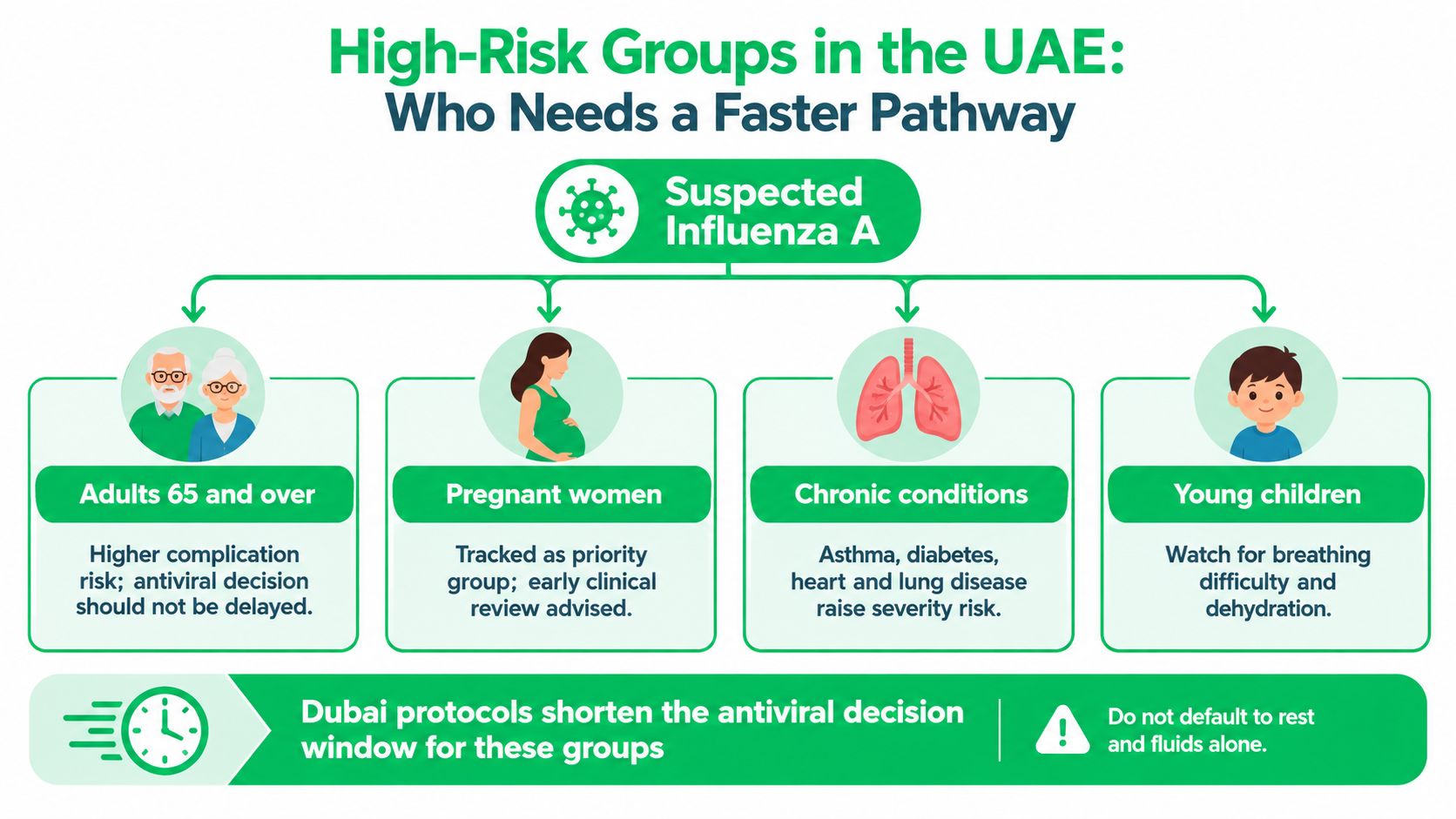
“Rest, fluids, and paracetamol” is not a complete treatment plan for everyone. It may be appropriate for a low-risk adult with mild illness, but it can delay care when influenza affects a patient more likely to deteriorate.
UAE guidance identifies groups that need faster clinical review, including adults aged 65 and older, children under 5, pregnant women, people with diabetes, asthma, heart disease, chronic kidney or liver conditions, and people who are immunocompromised. Patients receiving chemotherapy or biologic medicines should also contact a clinician early rather than waiting for symptoms to settle.
Why timing changes
Influenza can place greater strain on breathing, hydration, and existing medical conditions in vulnerable patients. A high-risk patient may need oseltamivir within the early treatment window even when a test result hasn't returned. The clinician may also recommend treatment later in the illness if the patient is hospitalised, worsening, or showing progressive disease.
The decision isn't based on the influenza A label alone. It combines risk status, symptom duration, severity, examination findings, and the patient's ability to maintain fluids and breathe comfortably. A pregnant patient with a sudden fever deserves a different response from a healthy adult with a mild cough, even if both have the same suspected virus.
Practical rule: If the patient is pregnant, very young, older, immunocompromised, or living with chronic disease, call early. Waiting for a perfect diagnosis can cost valuable treatment time.
A home assessment can be particularly useful when travel, mobility, or infection exposure makes a clinic difficult. A doctor can review the history, assess breathing and hydration, decide whether testing is useful, prescribe when appropriate, and determine whether hospital transfer is safer. For families supporting an older relative, this guide to elderly care in Dubai provides additional context on home-based support.
Red Flags That Mean Call a Doctor or Go to the Hospital
Some influenza symptoms belong at home with monitoring. Others need urgent assessment. Don't wait for a test result if the patient is struggling to breathe, becoming confused, or unable to drink.
Adult warning signs
Seek urgent medical help for breathing difficulty at rest, persistent chest pressure, sudden confusion or disorientation, severe dehydration, or a clear deterioration after initial improvement. A fever above 39.4°C lasting more than four days should also prompt medical review. A relapse with a worsening cough may indicate a complication and shouldn't be dismissed as a normal recovery phase.
Moderate symptoms without emergency signs may be suitable for a doctor-on-call visit, especially when the patient is high risk or cannot safely travel. Respiratory distress, persistent chest pain, or altered consciousness requires emergency care rather than a routine home appointment.
Children and pregnancy
Children need closer observation because deterioration can be harder to describe. Rapid or laboured breathing, chest retractions, bluish lips, refusal to drink, fewer wet nappies, unusual lethargy, or a seizure are emergency warning signs.
Pregnant patients should seek prompt assessment for breathing difficulty, dehydration, worsening fever, or reduced fetal movement. Uterine cramping with significant illness also warrants urgent obstetric advice.
| Red Flag | Patient Group | Action in Dubai |
|---|---|---|
| Breathing difficulty at rest | Adults and children | Seek emergency assessment |
| Chest pressure or altered consciousness | Any patient | Call emergency services |
| Refusal to drink or markedly reduced wet nappies | Young child | Immediate medical assessment |
| Blue lips or chest retractions | Child | Emergency department or ambulance |
| Reduced fetal movement or uterine cramping | Pregnant patient | Urgent obstetric assessment |
| Worsening cough after improvement | Any patient | Same-day doctor review |
Rashid Hospital and Latifa Hospital emergency departments are appropriate destinations when respiratory distress or serious deterioration is present. Call an ambulance for altered consciousness, severe breathing difficulty, or chest pain. Don't let insurance paperwork delay genuine emergency treatment.
Preventing the Spread at Home, Work, and While Travelling
Influenza spreads efficiently through close contact, especially in shared indoor spaces. In a Dubai home, containment starts with practical separation, not elaborate equipment.
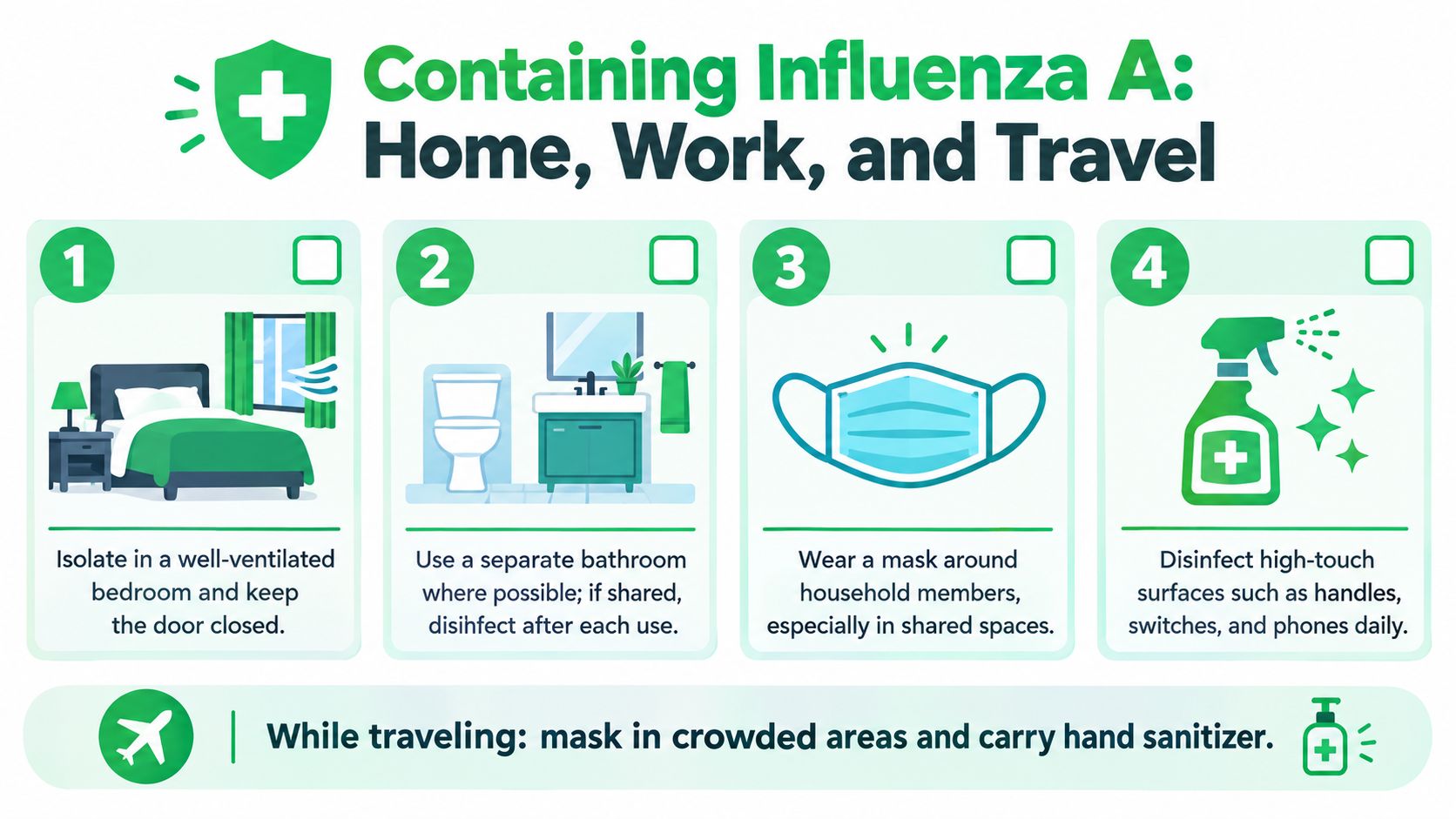
Keep the ill person in a well-ventilated bedroom with the door closed where possible. Use a separate bathroom if available. If the bathroom is shared, clean frequently touched surfaces after use, including taps, handles, switches, remote controls, phones, and nursery counters. The patient should wear a well-fitting mask when entering shared areas, and caregivers should clean their hands after contact with tissues, dishes, laundry, or respiratory secretions.
Work and travel decisions
Don't attend work while febrile. Follow your employer's sick-leave process and return only after you've been fever-free without fever-reducing medicine for the period advised by your clinician. This matters in offices, schools, government buildings, DIFC workplaces, and Media City environments where one symptomatic employee can expose many colleagues.
Avoid travelling through DXB or Al Maktoum airport while feverish or visibly unwell. If travel is unavoidable after medical advice, inform the airline when appropriate, wear a mask in crowded areas, limit close contact, and carry hand sanitiser. Hotel guests should request medical care in the room rather than sitting in a crowded reception or clinic waiting area.
Air purification can support indoor air-quality management alongside ventilation, masking, and cleaning. If you're comparing options for a shared home or office, these healthcare air purification solutions may help you assess suitable equipment without treating filtration as a substitute for medical isolation.
Vaccination remains a sensible preventive measure, particularly for high-risk people and household caregivers. Ask a qualified clinician about the appropriate seasonal vaccine and arrange flu vaccination at home in Dubai if attending a centre is inconvenient.
Recovery Checklist and When a Home Doctor Visit Makes Sense
Recovery should be measured by function, not only by a lower temperature. A patient is moving in the right direction when fluids stay down, appetite begins to return, sleep becomes easier, and energy gradually improves without a new breathing problem or rebound fever.
A simple recovery checklist
- Hydration: Urination continues and the patient can drink without persistent vomiting.
- Resting position: Keep the upper body slightly raised if coughing worsens when lying flat.
- Fever: The patient remains fever-free for 24 hours without paracetamol or another fever-reducing medicine.
- Appetite: Small meals become manageable again.
- Activity: One short walk can be completed without marked exhaustion, dizziness, or breathlessness.
- Heart rate: Resting heart rate is returning towards the patient's usual baseline, if they normally monitor it.
- Relapse check: New chest pain, worsening cough, breathing difficulty, confusion, or renewed fever means the recovery plan has changed.
For practical home-care ideas beyond medication, this resource on how to get over flu quickly can complement, but not replace, clinical assessment. Don't use supplements, antibiotics, or leftover prescriptions as a substitute for evaluation when symptoms are worsening.
When a home visit is the better choice
A home doctor visit makes sense when a febrile child cannot be transported comfortably, when a working professional shouldn't sit in a waiting room and expose others, or when a high-risk adult in a high-rise apartment has mobility limitations. It also suits hotel guests who need assessment without navigating an unfamiliar healthcare system.
During a visit, a DHA-licensed clinician can examine the patient, assess breathing and hydration, perform or arrange influenza testing when useful, prescribe an antiviral when clinically indicated, provide sick-leave documentation, and arrange escalation if hospital care is necessary. A clinician may direct the patient to Rashid Hospital, Latifa Hospital, Mediclinic, or another appropriate facility when home management is no longer safe.
For Dubai, Sharjah, and Abu Dhabi residents, Vitals Healthcare Doctor On Call offers doctor visits to homes, hotels, and offices, with clinical assessment and follow-up coordination. The key decision shouldn't wait until the patient is severely dehydrated or struggling to breathe. Because antiviral benefit depends heavily on timing, contact a clinician early, particularly if symptoms are approaching day three or the patient belongs to a high-risk group.
Vitals Healthcare Doctor On Call provides 24/7 DHA-licensed doctor visits to homes, hotels, and offices, including assessment of suspected influenza A, prescription decisions, and escalation guidance when needed. Visit Vitals Healthcare Doctor On Call to request a home assessment and discuss the safest next step for your symptoms.