
You may be searching for HIV information in Dubai after a worrying exposure, before a residency medical examination, or because someone close to you needs care. You may also be wondering something more practical and personal: Can I test confidentially, what happens if the result is positive, and where can I get support without being judged?
Those questions deserve clear answers. HIV is a medical condition, not a moral label, and a test result should lead to appropriate care rather than panic. This guide explains the local context, testing choices, residency and privacy considerations, treatment follow-up, discreet home-based services, and the everyday support that helps people live well.
Table of Contents
- Introduction to HIV in Dubai and What This Guide Covers
- Understanding HIV in Dubai: Epidemiology and Local Context
- How HIV Testing Works in Dubai and Where to Get Tested
- Legal Regulatory and Confidentiality Considerations You Should Know
- Treatment and Follow Up Care Pathways in Dubai
- Accessing Discreet and Home-Based Care in Dubai
- Living Well Reducing Stigma and Finding Support Resources
Introduction to HIV in Dubai and What This Guide Covers
Dubai has a low-prevalence HIV context nationally, but it remains an important place for surveillance and care because reported cases have been concentrated in the emirate alongside Abu Dhabi. That combination can feel confusing. A low national prevalence doesn't mean an individual concern should be dismissed, especially after a possible exposure or when a screening appointment is approaching.
Think of this guide as a calm route map. It starts with what the UAE data can and can't tell us, then explains how screening differs from confirmation. From there, it addresses the question many general health pages avoid: how medical confidentiality interacts with residency and employment screening for nationals and expatriates.
You'll also find practical information about treatment as ongoing care, including laboratory monitoring and referral arrangements. Home sample collection and doctor visits may help people who value discretion, have limited mobility, or need testing around work, travel, or family responsibilities. These services don't replace emergency hospital care or specialist decisions, but they can support parts of the testing and follow-up process.
A reassuring starting point: Seeking medical advice early gives you more options. It doesn't mean you have HIV.
If a possible exposure was recent, don't rely on a home test alone for urgent decisions. A clinician needs to assess the circumstances and determine whether immediate preventive treatment or other care is appropriate. If your concern relates to residency screening, ask the testing provider how results are handled before giving a sample, and keep copies of relevant medical records and follow-up instructions.
The aim is straightforward: replace frightening uncertainty with a sequence of informed choices. You deserve accurate information, respectful communication, and care that considers both your health and your circumstances in Dubai.
Understanding HIV in Dubai: Epidemiology and Local Context
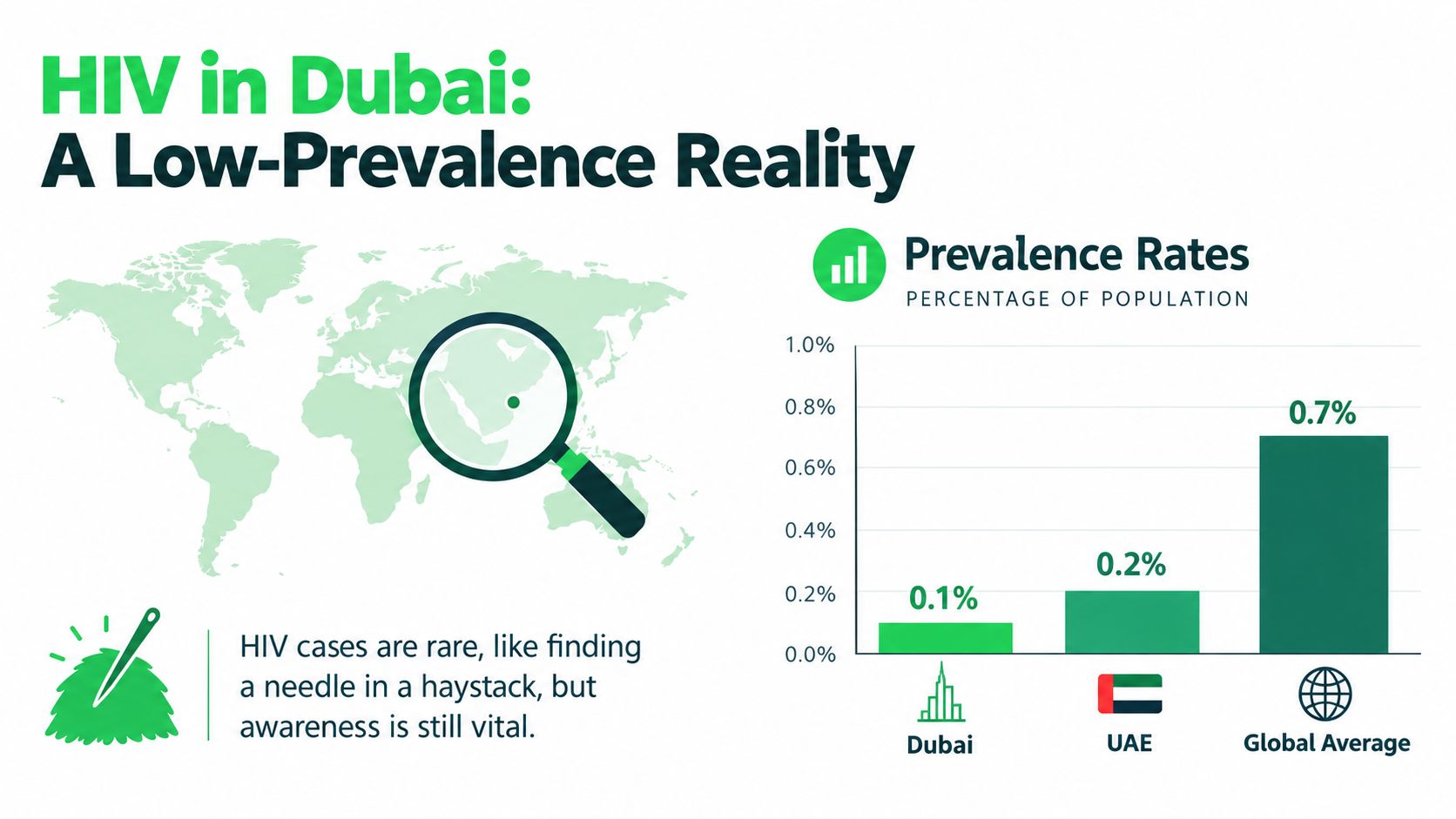
A person may receive a low national prevalence figure and wonder whether it changes the meaning of a recent exposure. It does not. Population statistics describe patterns across the UAE, while an individual assessment depends on the exposure, timing, and appropriate testing.
The most useful distinction is between prevalence and concentration. Prevalence describes how common HIV is across a population. Concentration describes where documented cases appear more often. A city can be within a low-prevalence country while accounting for a substantial share of reported cases.
The UAE Ministry of Health's 2022 statistical annual report listed adult HIV prevalence at 0.022941136%, approximately 23 people per 100,000 adults (UAE Ministry of Health statistical annual report). This gives national context, not a personal risk estimate. It cannot show whether a particular exposure resulted in infection.
Why Dubai remains important in the UAE picture
UNAIDS country reporting states that the majority of reported HIV cases was found in Abu Dhabi and Dubai. Its emirate breakdown tables show Dubai-specific shares of 19.3% and 22.2% (UNAIDS UAE country progress report). Another UAE report recorded 49 new HIV cases among nationals in 2009, including 19 in Dubai and 17 in Abu Dhabi (UNAIDS UAE 2010 country progress report).
These figures show that Dubai has repeatedly been a major location for documented case detection. They do not establish that transmission is widespread across the city. Dubai's international connections, movement between emirates, screening programmes, and referral pathways can all affect where cases are identified.
What low prevalence means for an individual
Low prevalence is like a rare fault in a large transport network. Most journeys will not involve it, but a warning still needs a reliable investigation. For an individual, the practical response is balanced: do not assume HIV is likely, and do not dismiss a meaningful exposure because the national rate is low.
Earlier UNAIDS reporting recorded 636 living HIV-positive UAE nationals cumulatively in 2009, with estimated national prevalence of 0.071% that year. It also recorded the 49 new national cases described above, including Dubai's share. More recent summaries describe the UAE as a low-level epidemic, with incidence reported as rising from 0.04% in 2011 to 0.13% in 2020, and a 2023 estimate of roughly 1,700 residents living with HIV nationwide, or about 0.02% of the population (PLOS ONE Dubai study).
The practical conclusion is measured awareness. Dubai needs accessible testing and dependable care. National figures are neither a diagnosis nor a basis for judging anyone.
How HIV Testing Works in Dubai and Where to Get Tested
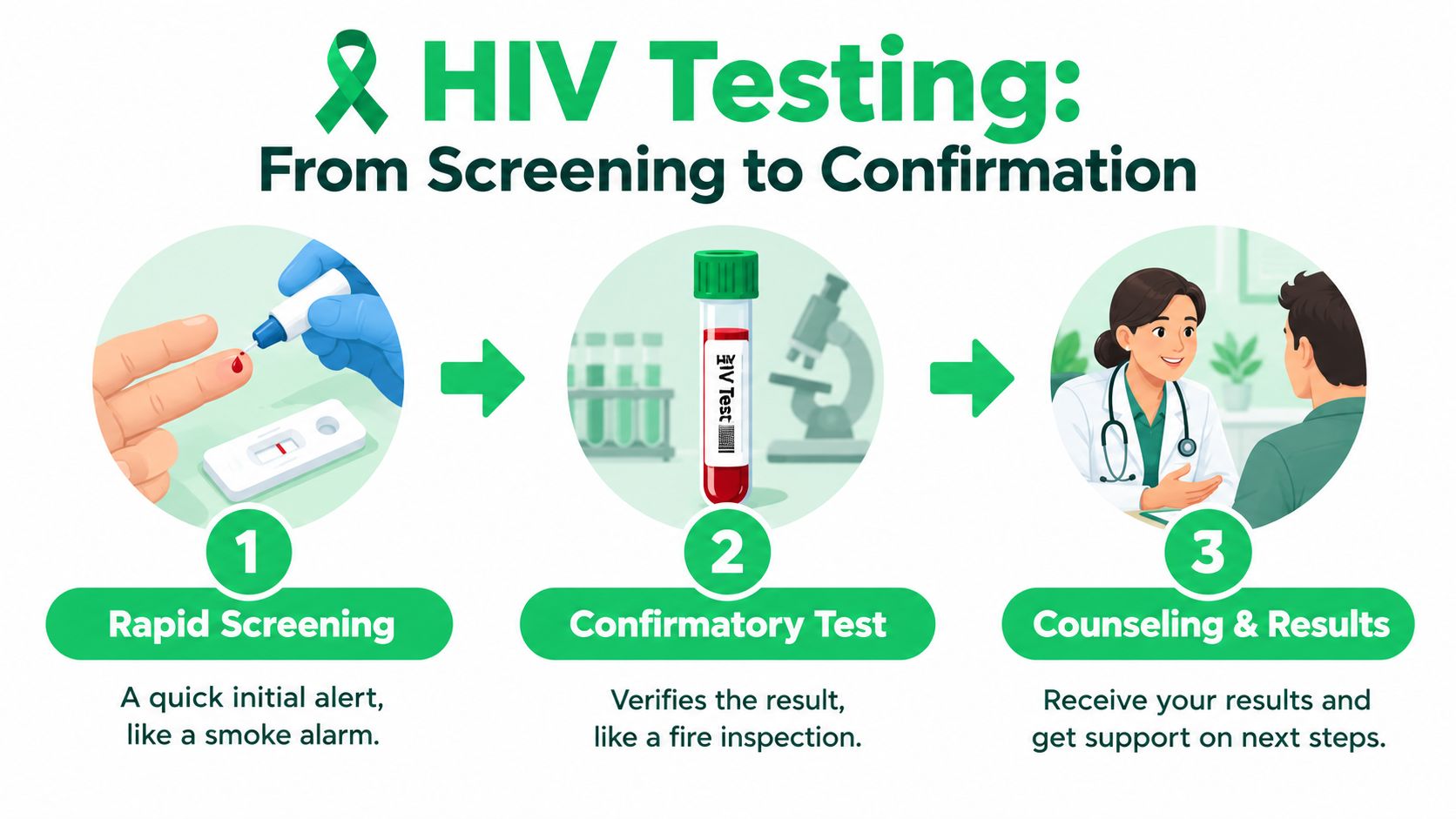
HIV testing usually has two stages. An initial screen is like a smoke alarm. It raises an alert when the test detects a pattern that needs closer checking. A reactive screen isn't the same as a confirmed diagnosis, so a laboratory or specialist service must perform confirmatory testing before anyone concludes that a person has HIV.
Testing can take place through public healthcare facilities, private clinics, or home sample collection services. The right choice depends on urgency, the type of test available, your need for discretion, and whether the provider can arrange follow-up if the first result is reactive.
What happens during the process
A typical pathway looks like this:
- Discuss the reason for testing. Tell the clinician when a possible exposure occurred, whether you need occupational or residency screening, and whether you have any symptoms or other health concerns.
- Provide a sample. Depending on the service, this may involve a finger-prick sample or venous blood collected by a trained professional.
- Receive the screening result. Ask how and when the result will be communicated, and whether the provider explains the next step if it is reactive.
- Complete confirmation when required. Don't treat a reactive screen as final. Prompt referral matters because confirmation and care should follow without avoidable delay.
- Discuss prevention or treatment. A clinician can explain follow-up testing, partner considerations, or specialist referral according to your circumstances.
Choosing between public, private, and home testing
Public facilities may suit people who need formal medical pathways or referral into government services. Private clinics can offer appointment flexibility and a more individualised consultation. Home collection can be useful if you don't want to wait in a clinic, you're staying in a hotel, or you need testing fitted around work.
For employment-related screening, review the requirements of the relevant authority and provider. A resource explaining the DHA medical examination for employment can help you understand the broader examination process, but it shouldn't replace direct confirmation of current requirements with the authorised centre.
If you're considering a home test kit, check what type of test is offered, who collects the sample, whether the laboratory is accredited, and how reactive results are managed. This HIV test kit guide for the UAE may help you prepare questions before booking. A discreet setting is useful only when it remains connected to safe clinical follow-up.
Remember: A negative result can be reassuring, but its meaning depends on the timing of the test and the advice of the clinician who interprets it.
Legal Regulatory and Confidentiality Considerations You Should Know
An HIV test in Dubai can answer a health question and create an administrative record, depending on why it was ordered. Residency and work-permit processes may include routine HIV screening, especially for expatriates. Someone seeking a private test may therefore worry about employment, visa status, or family stability at the same time.
Independent guidance on sexual health and HIV testing in the UAE explains that confirmed positive results can have immigration consequences for expatriates, including visa denial or deportation. Procedures can change. Confirm the current position with an authorised healthcare provider or government channel before an official examination.
Confidential does not always mean anonymous
Confidential care is like a locked medical file. Approved healthcare staff may access or share information through professional and regulatory channels, while an anonymous test may collect no identifying details. Anonymous testing may not be available for formal residency or employment examinations.
Before providing an Emirates ID, passport, or insurance details, ask the clinic to explain the pathway in plain language. A DHA-licensed clinic should be able to state in writing:
- Purpose: Is this personal screening, diagnostic testing, or an official medical examination?
- Result handling: Who receives the report, and how is a reactive result confirmed?
- Reporting: Will this test be reported to the MOHAP residency database, another government system, an employer, or an insurer?
- Residency impact: If you are an expatriate, what could a confirmed result mean for your current or pending status?
- Records: How are identity documents, digital reports, payment records, and messages stored and shared?
- Follow-up: Who arranges confirmation, specialist review, and treatment if the first result is reactive?
Request the clinic's consent form, privacy notice, and written explanation of result delivery. A private room or home collection service can reduce exposure to other patients, but it does not automatically make the test anonymous or exempt it from official rules.
UAE nationals and expatriates may have different administrative pathways. Nationals can ask about confirmation, specialist referral, and ongoing care. Expatriates should ask about residency implications before an official screening appointment, while avoiding necessary medical care because of uncertainty can create further health risks.
For practical questions about digital records and clinical privacy, consult this guide to health data security. Telehealth can help you discuss concerns, prepare questions, or arrange follow-up. A Dubai and UAE telehealth guide can clarify which services can be handled remotely and which require in-person testing or examination.
Treatment and Follow Up Care Pathways in Dubai
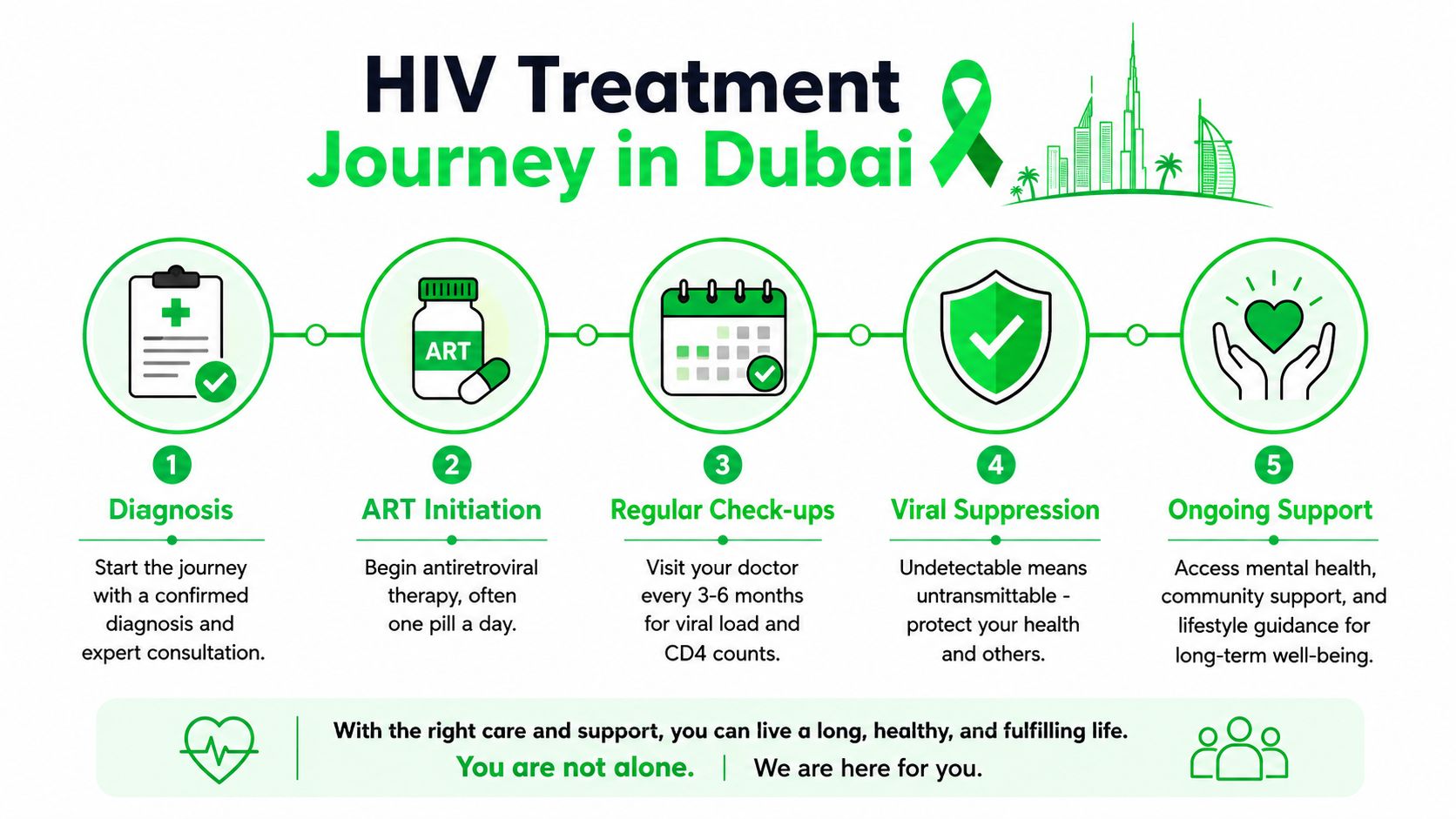
A confirmed HIV diagnosis isn't managed with a single appointment. Modern care treats HIV as a chronic condition requiring antiretroviral therapy, medication support, laboratory monitoring, and regular clinical review. The purpose of follow-up is to help the treatment work consistently and to identify problems early.
UNAIDS reporting describes antiretroviral therapy services delivered through multiple public facilities, with quarterly monitoring that includes CD4 count, viral load, and physical examination. By the end of 2012, 299 HIV patients were enrolled in ART across government systems, including 63 under Dubai Health Authority management (UNAIDS 2014 UAE narrative report).
What good follow-up looks like
Your care team should help you understand:
- Medication: Which antiretroviral medicines you'll take, when to take them, and what to do if you miss a dose.
- Laboratory results: How viral load and CD4 results are used to assess response and immune health.
- Side effects: Which symptoms can be monitored and which need prompt medical attention.
- Referrals: Where to go if you need infectious disease, mental health, reproductive, or other specialist care.
- Records: How results and prescriptions will be transferred if you move between facilities or emirates.
Why continuity matters
A treatment plan works best when medication access and monitoring continue without long interruptions. Quarterly review, as described in the UAE reporting, makes appointment planning important. Keep a personal record of prescriptions, test reports, allergies, and questions for your doctor, particularly if your work involves travel or you might change accommodation.
Don't stop ART or alter it because of a social concern, side effect, or visa worry without speaking to a qualified clinician. A doctor can discuss alternatives, supportive treatment, and the safest way to maintain care.
For people managing HIV alongside another long-term condition, a chronic disease management service with a doctor on call in Dubai may support general monitoring and coordination. Specialist HIV decisions still belong with the appropriate infectious disease or HIV care team.
Accessing Discreet and Home-Based Care in Dubai
A person who receives an HIV diagnosis may need help after the consultation ends. Medication reminders, prescription coordination, follow-up scheduling, and private conversations about results can all be managed through suitable home-based services. This support can be useful for people with long work hours, shared accommodation, mobility limits, or concerns about discussing health matters in public.
Home care should connect to qualified medical oversight. Ask who will review your results, how prescriptions are issued, where records are stored, and how you can reach a clinician if symptoms or side effects appear. Results that may require confirmation should lead to a clear appointment with the appropriate doctor, rather than leaving you to interpret a report alone.
Comparing care pathways
| Care option | Useful for | Support after the appointment |
|---|---|---|
| Public hospital or clinic | Official pathways, specialist assessment, and complex care | Referral, documented records, and long-term specialist follow-up |
| Private clinic | Planned consultations and individual discussion | Doctor-led review, prescription planning, and onward referral |
| Home-based nursing or doctor visit | Medication questions, general assessment, and care coordination | Help with follow-up arrangements, symptom review, and communication with the treating team |
| Remote administrative support | Appointment planning and private handling of reports | Reminders, record organisation, and assistance contacting the clinic |
A sample collection by Lola explains why trained collection and careful handling matter outside a clinic. The same standard applies to home-based follow-up. Staff should verify identity, protect records, explain the next step, and communicate results through an agreed private channel.
How to set up discreet follow-up
Before booking, ask whether the service supports medication reminders, prescription coordination, repeat appointments, and communication with your HIV specialist. Keep your own record of medicines, allergies, test reports, and questions. A private folder or protected digital record can make appointments easier, especially if you change accommodation or travel between emirates.
A mobile laboratory testing guide for Dubai can help you prepare questions about appointments, reports, and sample handling. Vitals Healthcare Doctor On Call provides DHA-licensed doctor visits, nursing, and home laboratory sample collection at residences, hotels, and offices across Dubai. Confirm which services are appropriate for HIV follow-up and how specialist care will be arranged when needed.
Living Well Reducing Stigma and Finding Support Resources
HIV care shouldn't be reduced to emergencies, test anxiety, or a diagnosis conversation. People living with HIV also need ordinary support: practical nutrition advice, emotional care, medication routines, safe relationships, and a healthcare team that treats them with dignity.
A 2026 Dubai cross-sectional study found good nutrition-related knowledge among people living with HIV and reported depression and anxiety prevalence at under 20%, lower than global estimates cited in the study (Dubai study on nutrition and psychosocial health among people living with HIV). This doesn't mean emotional distress is unimportant or that every person has the same experience. It does challenge the assumption that life after diagnosis is defined only by crisis.
Support that fits daily life
- Nutrition: Build meals around advice from a qualified clinician or dietitian, especially if you have weight changes, digestive symptoms, diabetes, or medication concerns. Avoid extreme diets and unverified supplements.
- Mental health: Anxiety after diagnosis can affect sleep, concentration, and adherence. A counsellor or psychiatrist familiar with chronic illness can offer private, culturally sensitive support. Practical strategies for managing stress and anxiety may complement, but not replace, professional care.
- Medication routines: Use a discreet reminder, link doses to a daily habit, and arrange refills before travel or busy work periods. Tell your doctor about every medicine and supplement you use.
- Relationships: Discuss disclosure with a clinician or counsellor before telling someone if you're worried about safety, housing, employment, or immigration consequences.
- Reliable information: Prefer government health services, licensed clinicians, established hospitals, and peer-support organisations over anonymous forums or sellers of unverified medication.
Stigma grows when people have to guess. Calm, accurate explanations make it easier to test early, start appropriate treatment, support someone without blame, and maintain care over time.
If you're worried about a recent exposure, seek a clinical assessment promptly. If you already have a diagnosis, keep your follow-up appointments and ask for help with any barrier, whether it involves medication, mood, nutrition, privacy, or travel. Living well with HIV is a healthcare goal, not an unrealistic promise.
Vitals Healthcare Doctor On Call offers 24/7 DHA-licensed doctor visits, nursing support, and home laboratory sample collection in Dubai, including discreet care at homes, hotels, and offices. If you need private testing support or help coordinating non-emergency follow-up, visit Vitals Healthcare Doctor On Call to discuss the appropriate service with the team.