

You've just landed at DXB after a long-haul flight. Your mouth feels dry, your sleep is out of rhythm, and you're deciding whether to book a home IV drip at your hotel or drink fluids, eat, and rest. That decision deserves more than a glossy wellness promise.
IV vitamin therapy can be appropriate when a clinician identifies a genuine medical indication, such as significant dehydration, impaired absorption, or a documented deficiency. For a generally healthy adult seeking a quick energy boost, immune support, or relief from ordinary jet lag, the evidence is much less convincing. In Dubai, the safest approach is to judge the clinical need, formulation, prescriber, and provider licence before considering convenience.
Table of Contents
- Why Dubai Residents Are Booking IV Vitamin Therapy at Home
- What IV Vitamin Therapy Actually Is
- Common Formulations and What They Are Used For
- The Evidence Behind the Claims
- How a Home IV Vitamin Therapy Visit Works
- Risks, Contraindications, and Myths to Set Aside
- Choosing a Safe Provider and Knowing When to Book
- FAQ for Dubai Patients
Why Dubai Residents Are Booking IV Vitamin Therapy at Home
Dubai makes home healthcare attractive for practical reasons. Residents and visitors may be dealing with heat exposure, demanding work schedules, frequent flights, hotel stays, or recovery in a villa where travelling to a clinic feels unnecessary. A mobile appointment can bring a clinician to a home, hotel, or workplace rather than making the patient arrange transport while unwell.
Home IV services have also become more visible because Dubai permits regulated home healthcare delivery. A provider offering home infusion must operate through a licensed home healthcare facility, and an existing licensed facility must obtain permission through the Sheryan platform before adding home healthcare services, as explained in this Dubai home IV service guide. This is important because an infusion delivered in a bedroom is still a medical procedure.
Dubai Health Authority, established under Law No. 6 of 2018, is the sole regulator of healthcare services in the emirate. IV clinics and mobile providers need a valid DHA facility licence, while clinicians must be DHA-registered. The framework includes practitioner registration, infection control, patient monitoring, and emergency response requirements, so IV therapy is treated as clinic-grade care delivered outside the clinic, not as an informal cosmetic service. These regulatory details are outlined in Dubai IV drip safety guidance.
Practical rule: Home convenience should remove travel, not remove assessment.
A post-flight patient may have simple dehydration, but similar symptoms can also reflect infection, medication effects, a metabolic problem, or a condition requiring a doctor rather than a vitamin bag. Rest and oral fluids may be enough for mild fatigue. A clinician should decide whether intravenous treatment adds value.
The best question isn't, “Which drip gives the fastest boost?” It's, “What problem is being treated, and would an IV change the outcome?” The rest of the decision depends on that distinction.
What IV Vitamin Therapy Actually Is
IV vitamin therapy is the intravenous administration of fluids, vitamins, minerals, or prescribed medicines through a small cannula placed in a peripheral vein. A DHA-licensed prescriber should determine whether the treatment is appropriate, and a qualified nurse or doctor administers it after reviewing the patient's history and current condition.
The term often gets used for several different services. They aren't interchangeable.
- Oral supplements pass through the digestive system. Their usefulness depends on the nutrient, dose, digestion, absorption, and the reason for supplementation.
- IV hydration usually refers to a prescribed fluid, such as saline or another electrolyte solution, without a broad micronutrient blend.
- Intramuscular injections deliver a medicine or vitamin into muscle. They use a different route, absorption pattern, and clinical decision process.
- IV vitamin therapy combines intravenous fluid delivery with selected nutrients or medicines chosen for a specific purpose.
The intravenous route bypasses gastrointestinal absorption and provides complete access to the bloodstream. That can matter when a patient has impaired absorption, cannot take treatment orally, or needs a medically supervised concentration. It doesn't automatically mean that IV treatment is superior for someone who can absorb and use oral nutrients normally. UAE-facing clinical guidance identifies the strongest rationale in true deficiency states, impaired absorption, and selected physician-supervised recovery protocols, while the benefit signal for healthy adults is weak in many wellness situations, as discussed in this clinical explanation of what IV vitamin infusions actually do.
What a regulated home visit should include
A genuine home service should look like a clinical encounter, not a menu order. The clinician should have the prescribed fluid or formulation, sterile single-use equipment, appropriate protective supplies, documentation, and equipment for monitoring and responding to complications.
The responsible clinician may review the case remotely or attend in person, depending on the provider's model and the patient's needs. The patient should receive an explanation of the proposed infusion, provide informed consent, and have a clear opportunity to decline or ask questions.
A useful working definition is simple: IV vitamin therapy is prescribed clinical treatment delivered through a vein. If a service focuses only on choosing a flavour or selecting a package without asking about health conditions, medicines, allergies, pregnancy, or previous reactions, it isn't demonstrating the level of care expected from regulated home healthcare.
Common Formulations and What They Are Used For
Providers commonly organise formulations around the patient's intended outcome, but the label alone doesn't establish medical value. A “recovery” or “energy” drip may contain several ingredients that are unnecessary for a well-nourished person. The prescriber should connect every component to a clinical reason.
| Formulation | Typical contents | Common clinical scenario | Prescriber oversight |
|---|---|---|---|
| Hydration-only drip | Prescribed fluids and electrolytes | Significant dehydration, heat exposure, or selected post-travel cases | Assessment of hydration status, kidney function, cardiac history, and fluid requirements |
| B-complex and energy blend | B vitamins such as B1, B2, B3, B5, B6, or B12, sometimes with magnesium | Documented B-vitamin deficiency or a physician-directed fatigue evaluation | Review of symptoms, medicines, relevant tests, and the reason for each ingredient |
| Glutathione and antioxidant infusion | Glutathione, sometimes combined with other antioxidant ingredients | Selective, physician-reviewed use where the proposed benefit is clearly explained | Careful discussion of uncertain evidence, dose, formulation, and alternatives |
| High-dose vitamin C infusion | Vitamin C at a medically supervised dose | Specific physician-directed protocols, including selected oncology supportive care under oncology direction | Higher level review, including kidney risks, medication interactions, and G6PD status |
| Myers cocktail-style blend | Commonly magnesium, calcium, B vitamins, and vitamin C | General malaise or selected symptoms after clinical assessment | Avoid menu-driven prescribing. The clinician should justify the combination and dose |
A hydration-only infusion is not the same as a vitamin infusion. If the core problem is fluid loss, adding multiple micronutrients may increase complexity without adding a clear benefit. Conversely, a patient with a confirmed deficiency may need targeted treatment rather than a broad wellness blend.
Glutathione is often marketed for skin brightening, but reliable randomised trial evidence for intravenous glutathione in that use is lacking. Oral and intravenous forms also shouldn't be treated as clinically identical.
High-dose vitamin C needs particular caution. It isn't a general substitute for cancer treatment, and oncology-related use belongs under the direction of the treating oncology team. Fat-soluble vitamins, including vitamins A, D, E, and K, can accumulate in tissue, so repeated or high-dose use requires careful formulation and safety review. The relevant Dubai clinical guidance is summarised in this overview of IV drip formulations.
The right formulation is therefore the one that matches an assessed problem, not the one with the longest ingredient list.
The Evidence Behind the Claims
The clearest evidence-based reason for nutrient treatment is a documented deficiency or absorption problem. If a patient cannot absorb a nutrient adequately, or needs a clinician-directed replacement strategy, the route and dose can be medically meaningful. That doesn't make every infusion useful for every person.
For healthy adults without a diagnosed deficiency, routine vitamin infusions have a weaker evidence base. A person may feel better after a drip because fluids address dehydration, because they rested during the appointment, or because symptoms naturally improved. Those possibilities make it difficult to assign any perceived benefit to the vitamins themselves.
The same distinction matters in Dubai. Heat, fasting, travel, and long working days can contribute to fluid loss or fatigue, but the symptoms overlap with many ordinary conditions. A patient who feels tired after a flight may need sleep and oral fluids. Someone with persistent fatigue may need a proper medical assessment rather than a preselected blend.
Matching claims to clinical support
| Claim | Evidence in non-deficient adults | Notes |
|---|---|---|
| “It restores energy” | Weak and difficult to separate from hydration, rest, or expectation | Investigate persistent fatigue rather than repeatedly masking it |
| “It prevents colds” | Not established as a routine benefit | Treat an identified illness and address relevant deficiencies |
| “It brightens skin” | Robust evidence for IV glutathione is lacking | Discuss safer, better-established dermatology options |
| “It cures a hangover” | Symptom relief may reflect fluid replacement or prescribed treatment | IV treatment doesn't remove alcohol-related harm |
| “It fixes jet lag” | Rehydration may help if dehydration is present, but vitamins don't reset sleep timing | Sleep, light exposure, routine, and time remain central |
| “It supports cancer treatment” | Only in selected, physician-directed contexts | High-dose vitamin C must not replace oncology care |
Independent Dubai guidance places emphasis on clinical assessment, prescription-first care, licensed staff, and complication planning, rather than assuming that a wellness drip is appropriate for anyone who asks. It also recommends asking who is licensed, what the emergency plan is, and why each ingredient has been selected. Those questions are more useful than relying on a branded name.
A sensible provider should be comfortable saying that an IV isn't needed. That answer may be the most clinically responsible outcome for mild jet lag, ordinary tiredness, or a cosmetic expectation without a diagnosed deficiency.
How a Home IV Vitamin Therapy Visit Works
A regulated visit begins before the nurse arrives. The provider should ask about medical history, allergies, current medicines, pregnancy, kidney or liver disease, heart conditions, previous infusion reactions, and the reason you're seeking treatment. Dubai home-health guidance describes informed consent and a clinical assessment as part of home IV care, and home IV therapy guidance from a Dubai provider explains that a DHA-registered nurse or doctor may administer the treatment at a home, hotel, or workplace.

The clinical stages
- Screening and prescription: A responsible clinician decides whether an infusion is suitable and selects the formulation. A patient shouldn't be asked to choose a high-dose mixture solely from a digital menu.
- Arrival and verification: The clinician confirms your identity, reviews the prescribed product, explains the plan, and checks consent. Sealed fluids and sterile single-use consumables should be used.
- Baseline assessment: The nurse checks vital signs and inspects the intended insertion site. The clinician should reassess the plan if your condition has changed since booking.
- Cannulation and monitoring: After hand hygiene and skin antisepsis, the nurse inserts a peripheral cannula and starts the infusion. The rate depends on the prescribed fluid and patient factors. Monitoring continues throughout the session.
- Removal and documentation: Once treatment is complete, the nurse checks your condition, removes the cannula, disposes of sharps safely, and records the treatment, response, and any advice.
A Dubai provider describes a model in which every drip is doctor-prescribed and nurse-administered, with DHA-licensed registered nurses monitoring vital signs during the session, as set out in this Dubai home IV treatment guide. A responsible service should also have a process for urgent escalation, appropriate emergency medicines, and communication with a doctor.
After the visit, keep the cannula site clean and observe it for increasing redness, swelling, pain, or discharge. If the infusion was intended to correct a deficiency, ask how laboratory results and follow-up decisions will be handled. A treatment record should identify what you received and provide clear instructions for seeking help if symptoms develop. More information about the service model is available through DHA-compliant IV home care in Dubai.
Risks, Contraindications, and Myths to Set Aside
An IV bag may look simple, but the risk comes from the fluid, dose, route, patient physiology, and setting. A cannula can infiltrate tissue, irritate the vein, or introduce infection. Infusions can also contribute to fluid overload, electrolyte disturbances, allergic reactions, and, rarely, anaphylaxis. Dubai clinical guidance notes that mild bruising or flushing can occur, while serious reactions remain possible and require proper monitoring, as explained in this Dubai IV therapy safety guidance.
Certain patients need particular caution or should not proceed without specialist clearance:
- Heart failure: Additional fluid may worsen fluid overload.
- Severe renal impairment: The kidneys may not handle fluids or electrolytes safely.
- Known electrolyte disturbance: Adding electrolytes without correcting the underlying problem can be dangerous.
- G6PD deficiency: High-dose vitamin C may carry specific risks and requires appropriate screening.
- Pregnancy: A clinician should review the indication and obtain obstetric clearance where necessary.
- Allergy or previous infusion reaction: The ingredient and emergency plan need careful review.
| Common claim | Clinical reality | Who should avoid it or seek clearance |
|---|---|---|
| IV vitamins are always absorbed better | The route bypasses the gut, but that advantage matters most when oral absorption is inadequate or treatment requires it | People with kidney, heart, pregnancy, or absorption-related concerns need assessment |
| Frequent drips build immunity in well-nourished adults | Routine immune-boosting claims aren't well supported for non-deficient adults | Anyone using drips instead of diagnosis or preventive care |
| A vitamin drip is harmless because it contains nutrients | Nutrients can cause harm at unsuitable doses or in the wrong patient | Patients with relevant organ disease, allergies, or medication risks |
| High-dose vitamin C replaces cancer treatment | It doesn't replace evidence-based oncology care | Oncology patients must follow their treating team's plan |
| Home treatment is automatically safer | Home care is safe only when the same clinical standards apply | Avoid services without licensing, assessment, monitoring, or emergency protocols |
A provider that never refuses a booking should concern you. Good screening may lead to a different treatment, a doctor consultation, oral fluids, laboratory testing, or no infusion at all. Review possible IV drip side effects and safety considerations before you book.
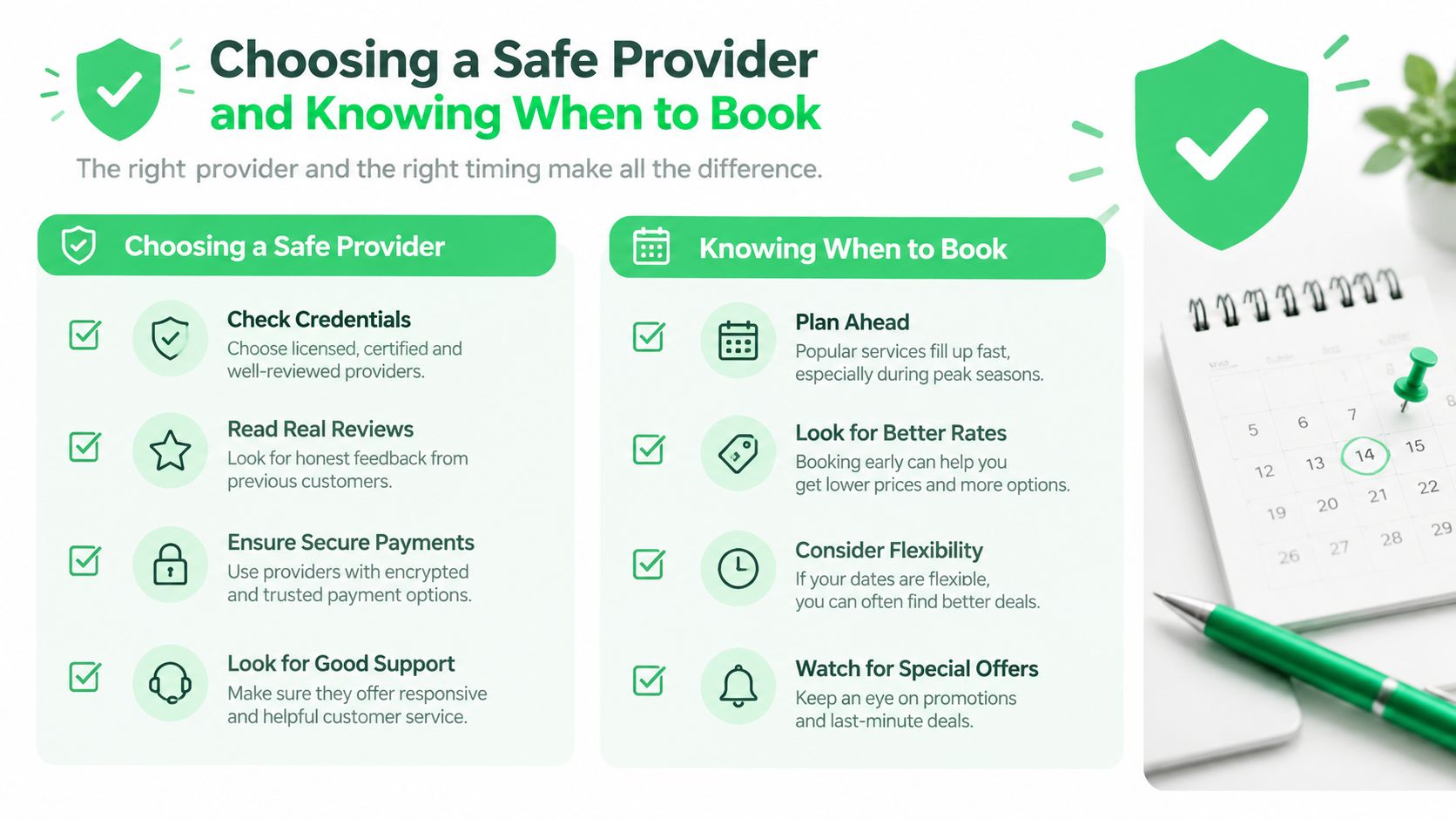
Choosing a Safe Provider and Knowing When to Book
Use a go or no-go decision rather than starting with the drip menu.
An IV may be reasonable when a clinician identifies significant dehydration, a documented deficiency requiring that route, or a specific recovery plan under medical supervision. It may be unnecessary for mild jet lag, ordinary fatigue after poor sleep, a routine hangover, or a hope of brighter skin without a diagnosed medical problem. Oral fluids, food, rest, a GP assessment, or laboratory testing may be more appropriate.
Questions to ask before confirming
- Licence: Can the provider show a valid DHA facility licence for home healthcare?
- Clinician: What is the prescriber's name and qualification, and is the administering nurse DHA-registered?
- Formulation: What exactly is in the bag, why is each ingredient needed, and what dose will be used?
- Product traceability: Can the provider identify the source and lot numbers of the vitamins?
- Sterility: Will the nurse open sterile, single-use consumables during setup?
- Emergency readiness: What monitoring and resuscitation equipment will be available if you react?
- Total cost: Does the quoted price include consultation, travel, medicines, monitoring, and any add-on fees?
- Follow-up: What happens if symptoms continue or laboratory results show a deficiency?
Dubai list prices show a broad private-market range, from about AED 250 for a single vitamin injection to AED 2,850 for a top-tier multi-vitamin drip, with hydration-only bags reported from roughly AED 290, according to this Dubai IV drip business and pricing overview. Price alone doesn't prove quality. Compare what the fee includes, whether a doctor assesses you, who administers the infusion, and what happens if the service decides not to proceed.
FAQ for Dubai Patients
Do I need a doctor to prescribe IV vitamin therapy in Dubai?
Yes. IV therapy is a medical treatment, so it should be prescribed by a qualified clinician and delivered by DHA-registered staff through a licensed provider.
Can I book IV therapy at a hotel or office?
In many cases, yes. Licensed home healthcare providers in Dubai may offer visits to homes, hotels, or workplaces, provided the service includes proper assessment, consent, monitoring, and documentation.
Is IV vitamin therapy better than drinking fluids?
Not always. If the problem is mild dehydration, poor sleep, or ordinary fatigue, oral fluids, food, and rest may be enough. An IV is most useful when a clinician identifies a clear medical reason for that route.
How long does a home IV visit usually take?
Many appointments take around 30 to 60 minutes, depending on the assessment, formulation, and infusion rate. The provider should explain the expected timing before treatment starts.
When should I avoid booking a wellness drip?
Avoid self-booking if you have chest pain, shortness of breath, confusion, persistent vomiting, severe dehydration, high fever, or a known heart or kidney condition without medical clearance. Those situations may need urgent medical assessment rather than a routine home infusion.
Vitals Healthcare Doctor On Call offers DHA-licensed doctor, nursing, IV hydration and multivitamin therapy visits to homes, hotels, and offices across Dubai. If you want a regulated clinical assessment before deciding whether an infusion is appropriate, visit Vitals Healthcare Doctor On Call to discuss your location, symptoms, and care needs.